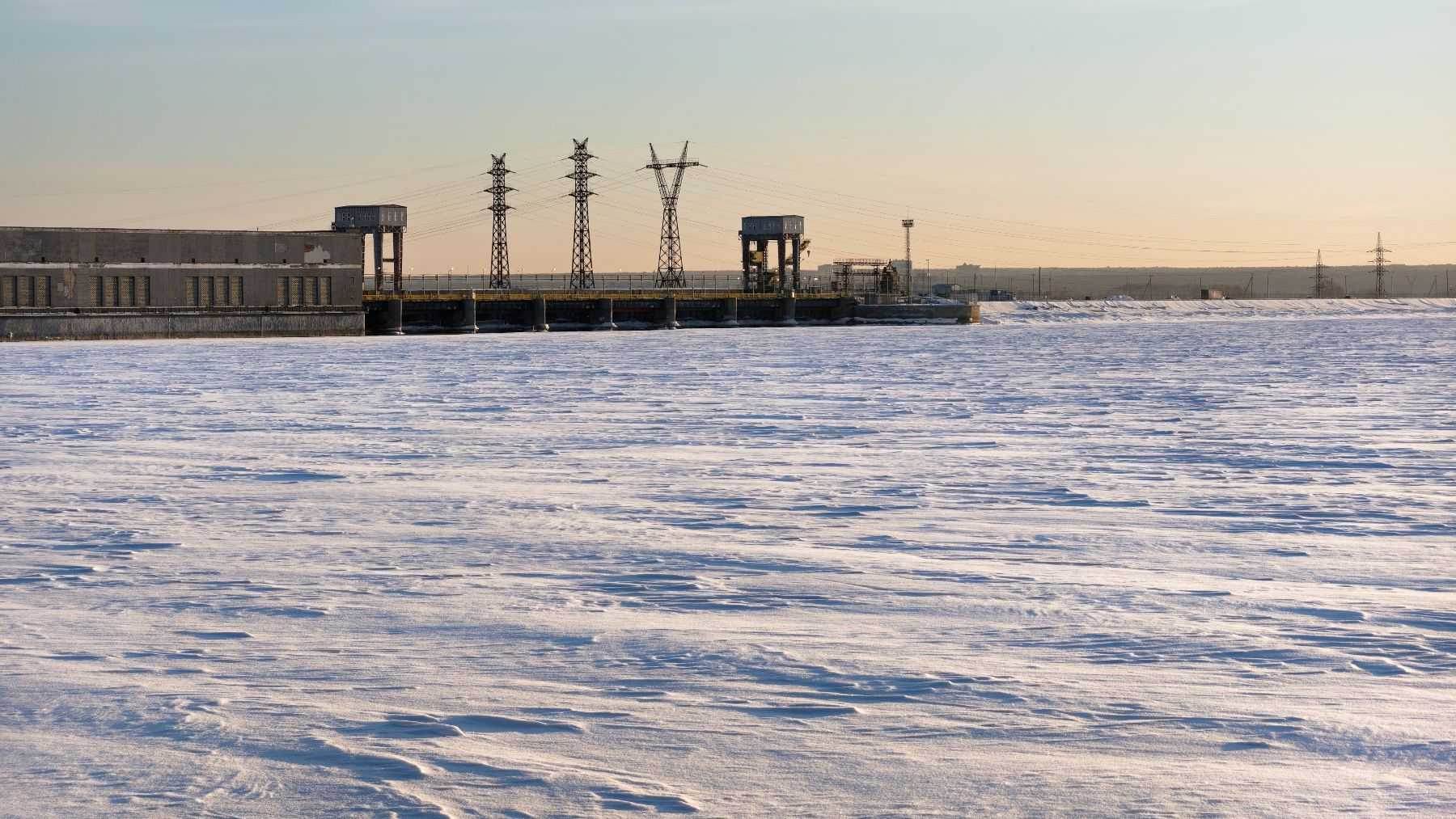
Winter conditions create unusual challenges for structures placed on northern reservoirs. Often the problem is not the water, but the ice.
The previous deployment used at Pine Portage failed due to the colder weather.
Plastic barriers did not provide a reliable setup in the icy conditions.
A new design was needed for engineers to keep people away from the dam.
Freezing northern waters exposed critical structural weaknesses
The lightweight plastic barriers were not able to handle the harsh winter conditions of the reservoir.
Ice caused stress that the previous deployment could not handle, making public safety the primary concern.
Providing protection from harsh seasonal conditions was another challenge for the structure.
Winter conditions can change rapidly on the reservoir, meaning engineers needed a protective barrier that would still safeguard people when icing occurred, which required a much stronger floating framework.
Coordinated protection covered both regional sites
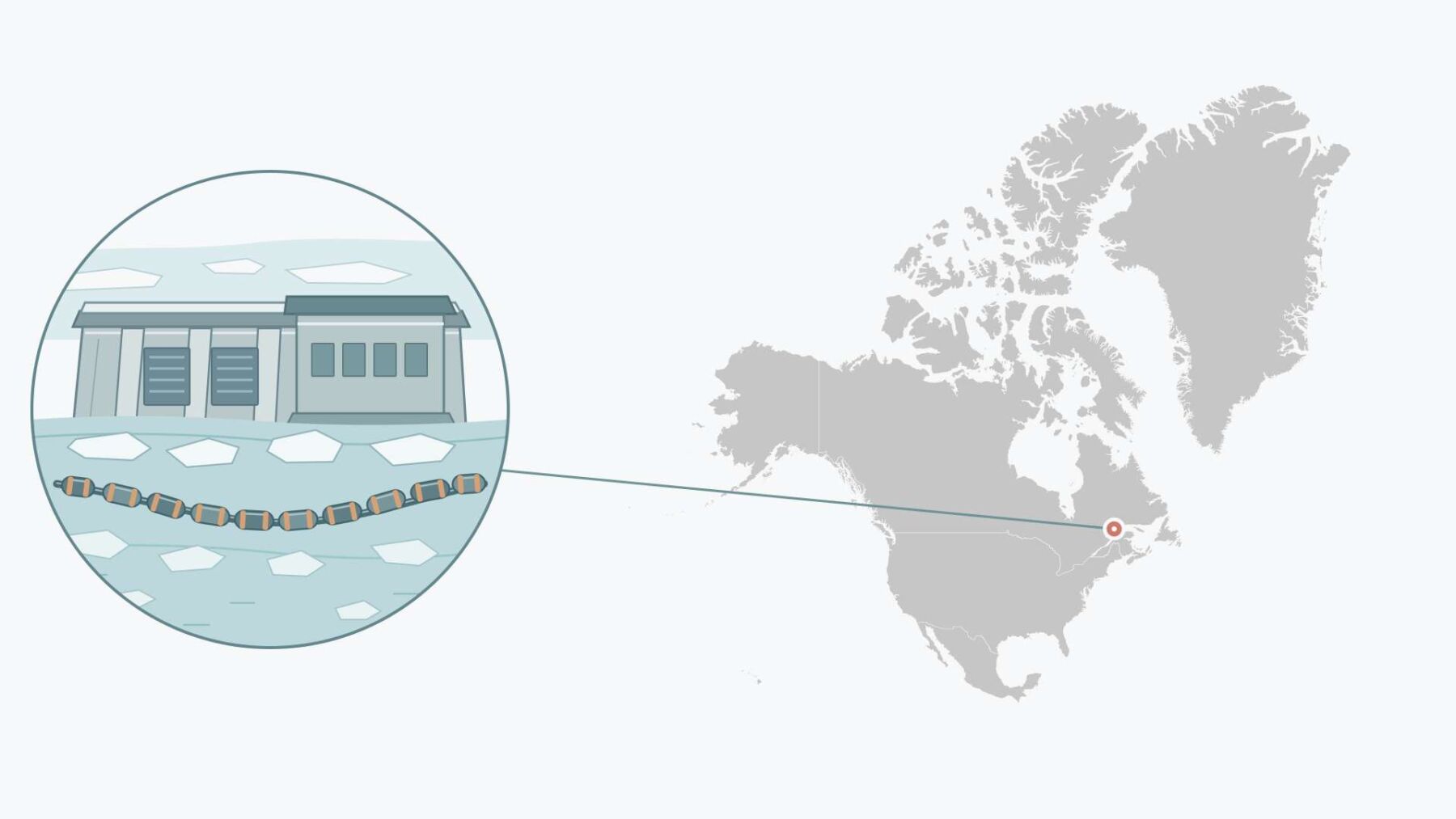
The project involved two separate reservoirs, with safety barriers installed at Pine Portage and Hay.
Both hydroelectric sites are actively operated by Ontario Power Generation.
A safe protection system was required at each location to prevent people from getting into dangerous areas.
There needed to be a balance between public access and operations at the reservoir. As similar safety issues were present at both sites, a uniform solution was possible.
Long-term operation supported the original design choice
Designing and supplying all components of the boom formed part of the project.
The new heavy-duty structures were eventually installed at both northern reservoirs.
Previous floating barriers had shown issues with ice. The replacement system was engineered to combat the icy conditions, making comparisons easier.
One setup struggled when ice formed, while the new design did not.
There is little operational data available, although the boom was constructed, installed, and remains in operation, according to Geniglace.
Often the longevity of a design is one of the most useful aspects, as issues will frequently occur over time.
Public records left several technical details unresolved
The project summaries do not give much detail on how the structure performed each winter.
Instead, documentation focuses on how it was designed, and no specific ice loading conditions or anchor limits are mentioned.
Information about how ice conditions changed between seasons is not publicly available. That same information would have helped explain how the structure reacts to different winter conditions, although the omission is understandable in a concise overview.
Short project descriptions rarely mention all scenarios that may occur during operations, so some engineering details will be missing.
Seasonal variability continued shaping operational outcomes
The main variable throughout the project was ice conditions. Initially, winter conditions went beyond the ability of the system.
Different stresses can occur depending on the winter, meaning that the seasonal aspect needed to be considered.
The thickness, movement, and buildup of ice can change between seasons, and the design had to account for those changes.
To address this, the final design was made effective despite the heavy accumulation of ice.
Unlike normal floating warnings, this system needed to function reliably in a freezing environment.
Years of performance continue to inform future designs
The biggest remaining test was the installation’s longevity, as structures in place year on year provide valuable operational knowledge.
Lessons learned from these projects can inform future designs facing similar conditions, and real-world testing often shapes them.
Rarely will a successful design stay the same, as operators often try to make the equipment more durable and less maintenance intensive.
The booms at Pine Portage and Hay show how a common issue has been overcome.
Cold climates still require specialist infrastructure, and future reservoir safety projects can benefit from lessons learned here.
Read the whole thing?
Get the week's signal, not the noise
Our sharpest reporting on energy, climate and nature — free, once a week.