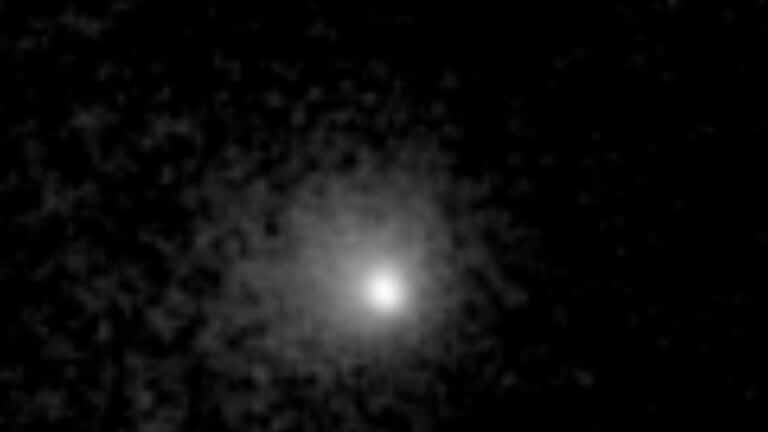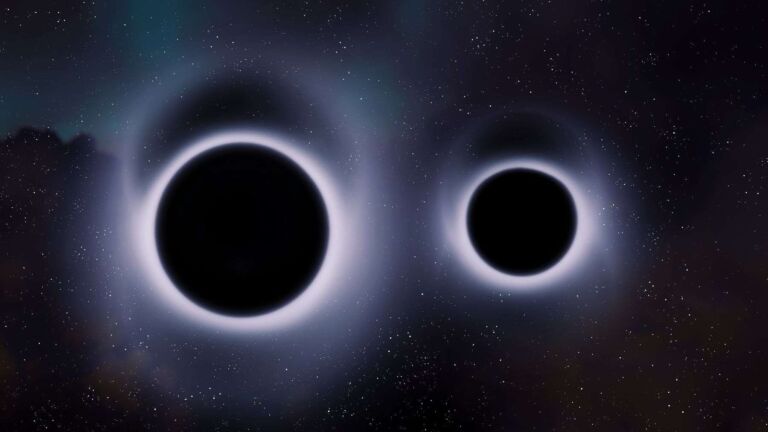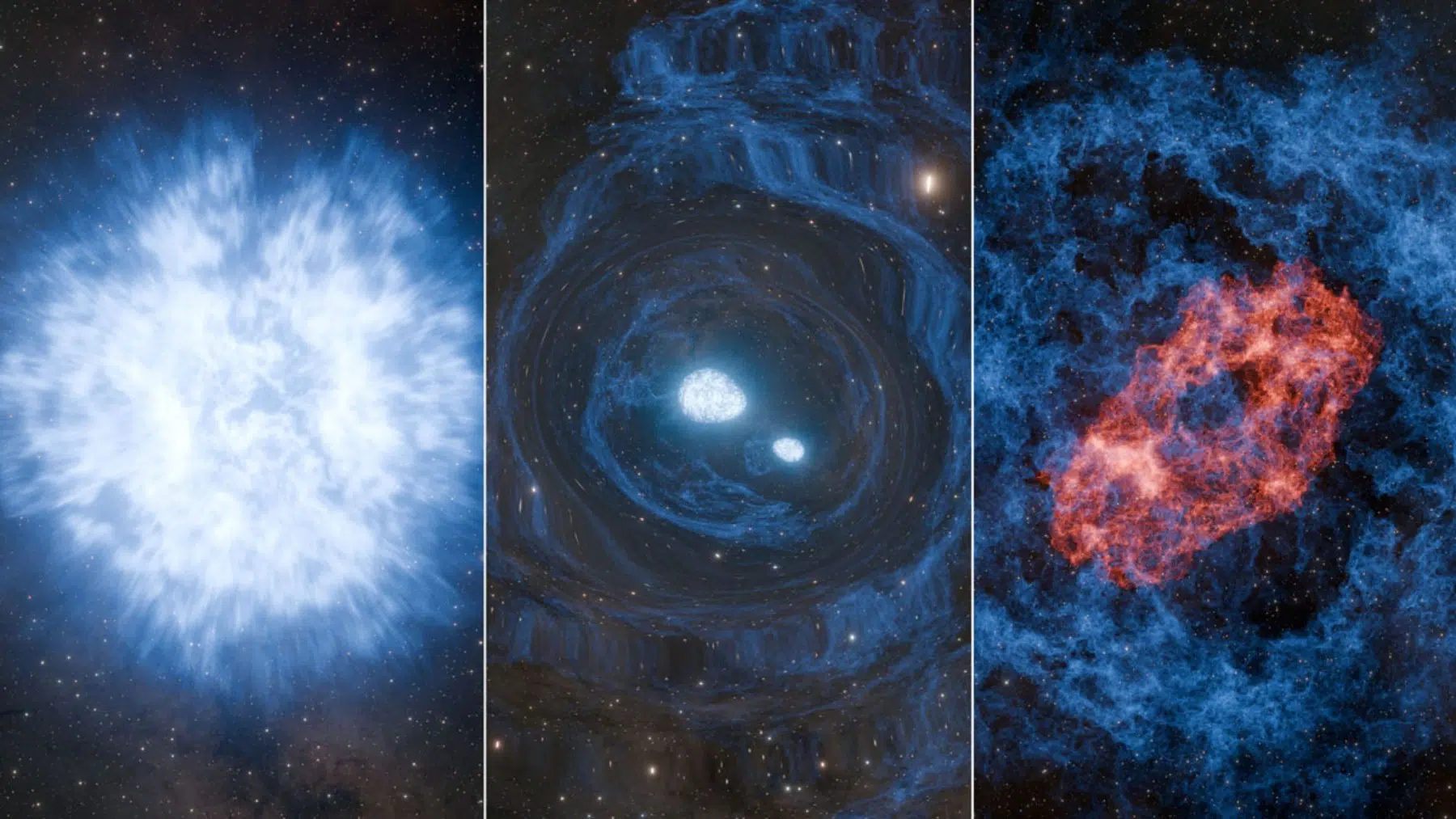
Astronomers thought this cosmic firework would fade within days.
Early data suggested it was just another kilonova. Then a shift in light emerged.
When a second burst arrived months later, it was way hotter and stronger than the original.
Researchers watching the event unfold across multiple observatories were flummoxed.
Most explosions in space do not restart after fading. But this one did.
Now, astronomers studying the debris think they were witness to a completely new kind of cosmic event.
So what actually exploded out there twice?
Not a normal kilonova: How scientists were caught by surprise
A standard survey searching for temporary cosmic events picked up a flash. At first, there wasn’t much to see.
These phenomena are already known for producing vast energy. They usually happen when ultra-dense neutron stars crash.
The standard procedure sees the debris cloud cooling steadily afterward.
That pattern broke quickly this time around. Fresh infrared light building long after the original explosion weakened is what caught researchers’ eyes.
And then, another twist arrived when the object retained heat far longer than it should have.
Astronomers rushed to make comparisons against previous neutron-star mergers. Not a single timeline matched.
Most kilonovae fade because of the rapid loss of radioactive material inside the debris.
This one shifted to have a go at a second round instead.

Scientists were forced back to data scrutiny. In the meantime, teams kept their eyes on the twice-brightened object for months.
It had to be considered: had something inside the explosion survived longer than expected?
The investigation changed completely when that possibility had to be considered.
What was it about the second burst of light that turned the theory on its head?
Neutron-star collisions are known for their speedy endings, often collapsing directly into a black hole.
Researchers doubt that was the case here. One new idea put forward is that the collision might have birthed a magnetar.
These are neutron stars with super powerful magnetic fields that swallow energy. Immense fields of it.
Scientists think the spinning object continued pumping energy into surrounding debris after the first explosion faded.
This would explain the delayed brightening.
But the cosmic firework glowed in infrared wavelengths, a phenomenon experts had never seen.
The timing delivered another clue.
The delay in the arrival of the second burst was longer than models said. The suggestion is that the central object survived longer than expected. But then it collapsed anyway.
Caltech began calling the event a possible “superkilonova.”
The term reflects the difference in energy from run-of-the-mill kilonovae.
The W. M. Keck Observatory suddenly increased its interest.
And now researchers are rushing to map an entirely new type of stellar explosion.
What experts believe about the cause of this cosmic firework
Astronomers appear to be in agreement that two neutron stars probably collided in a distant galaxy.
But instead of creating an immediate black hole, the collision may have produced a momentary magnetar.
Its surviving core may well have maintained its spin after the first blast.
As it slowed down, stored magnetic energy escaped into the expanding debris cloud.
Like a cosmic microwave reheating last night’s dinner, the surrounding material heated up again.
That produced the second explosion-like brightening that fascinated astronomers months down the line.
This event could rewrite kilonova science for decades to come
Three distinct qualities distinguish this object.
One is its delayed infrared glow that lasted longer than experts thought could happen.
Then it’s its energy curve that suddenly changed direction.
The final surprise was the second brightening arriving far too late for what science expected was possible.
The origin of certain heavy elements may well be explained by out-of-the-ordinary occurrences like this one.
One solid conclusion already seems difficult to avoid: something exploded in deep space, took long to die, and then came back to life.
Was this cosmic event a one-in-a-billion fluke? Or a sign that a new class of kilonova is joining the science?
Read the whole thing?
Get the week's signal, not the noise
Our sharpest reporting on energy, climate and nature — free, once a week.