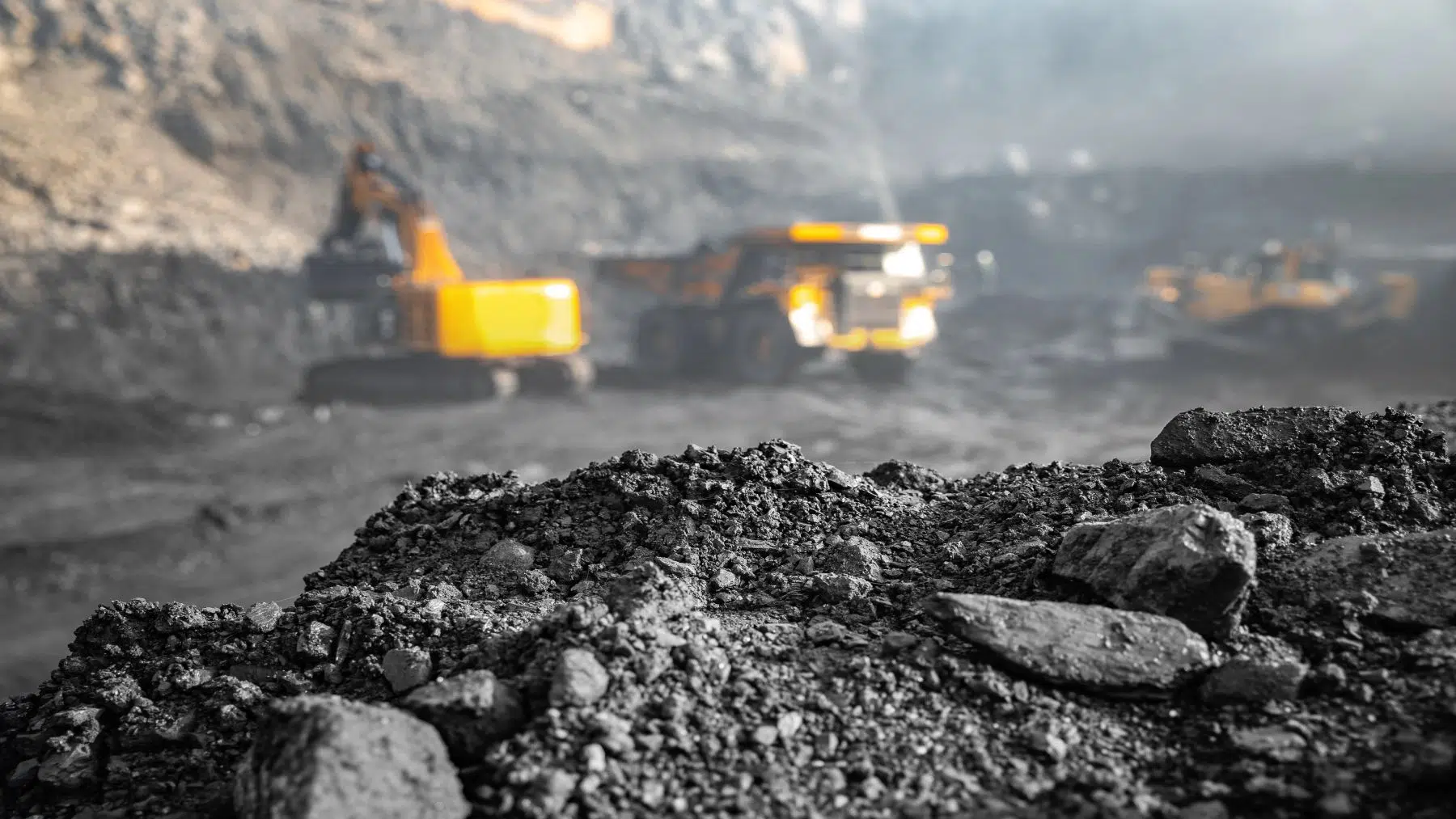
China has abruptly halted production at 15 mines. This comes after it was revealed that these mines went over their allotted quotas by more than 10 percent in the first half of this year. The mines are now subject to safety inspections before operations can be started up again.
Why these mines in China have been halted
These suspensions are as a result of internal audits that revealed that these mines had gone over their quotas, producing a lot more than they were licensed to. Beijing is reaffirming its stance on energy regulations and driving home the fact that even more established and traditional streams of energy will not be exempt from regulations.
The coal mines represent a combined 34.6 million metric tons of output, which generates a large portion of China’s supply. Some of these suspensions will just be for the time being in instances that are more focused on safety issues, while other cases in which coal mines overshot their quota might see those mines closed for much longer.
Where these coal mines are located and why this matters
Inner Mongolia’s Ordos region is where these mines can be found. This has become the epicenter of the crackdown instituted by the Chinese government, which was first undertaken in July this year. Beijing has shown how willing it is to impose strict regulations on companies that may be caught in violation of things like licensing caps. This is par for the course if you stop to consider how intent China has become on reducing emissions and relying less on coal.
It only makes sense that any oversight in the coal mining industry would be under the proverbial microscope in these times. Violating license caps is more than enough reason for a government with this outlook to call for a mass shutdown of this nature.
How the markets have reacted to the closure of these coal mines
A move of this magnitude is always going to have a ripple effect from the impacted employees to the markets. Futures on the Dalian Commodity Exchange spiked by 5.84 percent when this was announced. Markets have always been particularly sensitive to disruptions in supply, especially as coal mining feeds industries like power generation and steelworks. Those downstream of this halt are now also feeling the pressure, and this will mount the longer some of these coal mines remain closed.
Reserves and stockpile usage may have to be considered in the short term to make up for this shutdown. National energy stability is another growing concern as China still uses a lot of coal to power its grid despite its concerted effort to find cleaner alternatives in a vast array of outlooks that are either in the early phases of implementation or still being haggled over by policymakers and experts.
This shutdown is the latest act in China recalibrating its coal sector
When it comes to all things energy-based, China is one nation that has been surging ahead to reshape the way it manages and uses its energy supply, and this has been no secret. The large-scale plants they are endeavoring to construct or already have signify this intensified strategy, and so, naturally, a closer look at traditional energy suppliers was always on the cards.
China has also battled pollution concerns for decades, along with safety issues in coal mining, and now the government is showing its willingness to enforce regulations with the harshest of consequences. Aligning energy and environmental requirements is paramount, and this is now more than just lip service.
This will forever be viewed as a turning point in China, where even crucial regions are not exempt from overstepping. A key element of this coal mine shutdown lies in the fact that it stems from internal protocols and not global pressures, which usually tends to be the case in such matters. China is changing its views on energy, and the world is watching.
Disclaimer: Our coverage of events affecting companies is purely informative and descriptive. Under no circumstances does it seek to promote an opinion or create a trend, nor can it be taken as investment advice or a recommendation of any kind.
Read the whole thing?
Get the week's signal, not the noise
Our sharpest reporting on energy, climate and nature — free, once a week.