A few carmakers are leading the way when it comes to innovation with hydrogen. BYD has been making waves with its all-electric and hybrid models. More traditional names like Volvo, Toyota, and Nissan are also putting serious effort into this space. Japanese automakers, in particular, seem constantly ready to roll out something fresh. The auto industry is one of the most advanced when it comes to technology. Whether it’s combustion engines, electric drivetrains, or hybrid setups, progress never really stops.
Toyota’s new engine — but not for the hydrogen sedan
Toyota’s latest engine release could be one of its most daring decisions so far. As Hiroki Nakajima, the brand’s Chief Technology Officer, explained, the new four-cylinder engines were built for both strong performance and adaptability for the future. They’re available in 1.5L and 2.0L options, and even though they’re designed to work in hybrid vehicles, the focus on power is still clear—especially with the turbocharged 2.0L version.
But Toyota isn’t stopping there. They’ve just introduced a hydrogen-powered model, although it won’t be hitting the U.S. market. The lack of hydrogen refueling stations across the country is a key reason why—just like with the Crown, Toyota has decided to leave this launch out of the American rollout.
U.S. not en route to receive the 2026 Crown powered by “water”
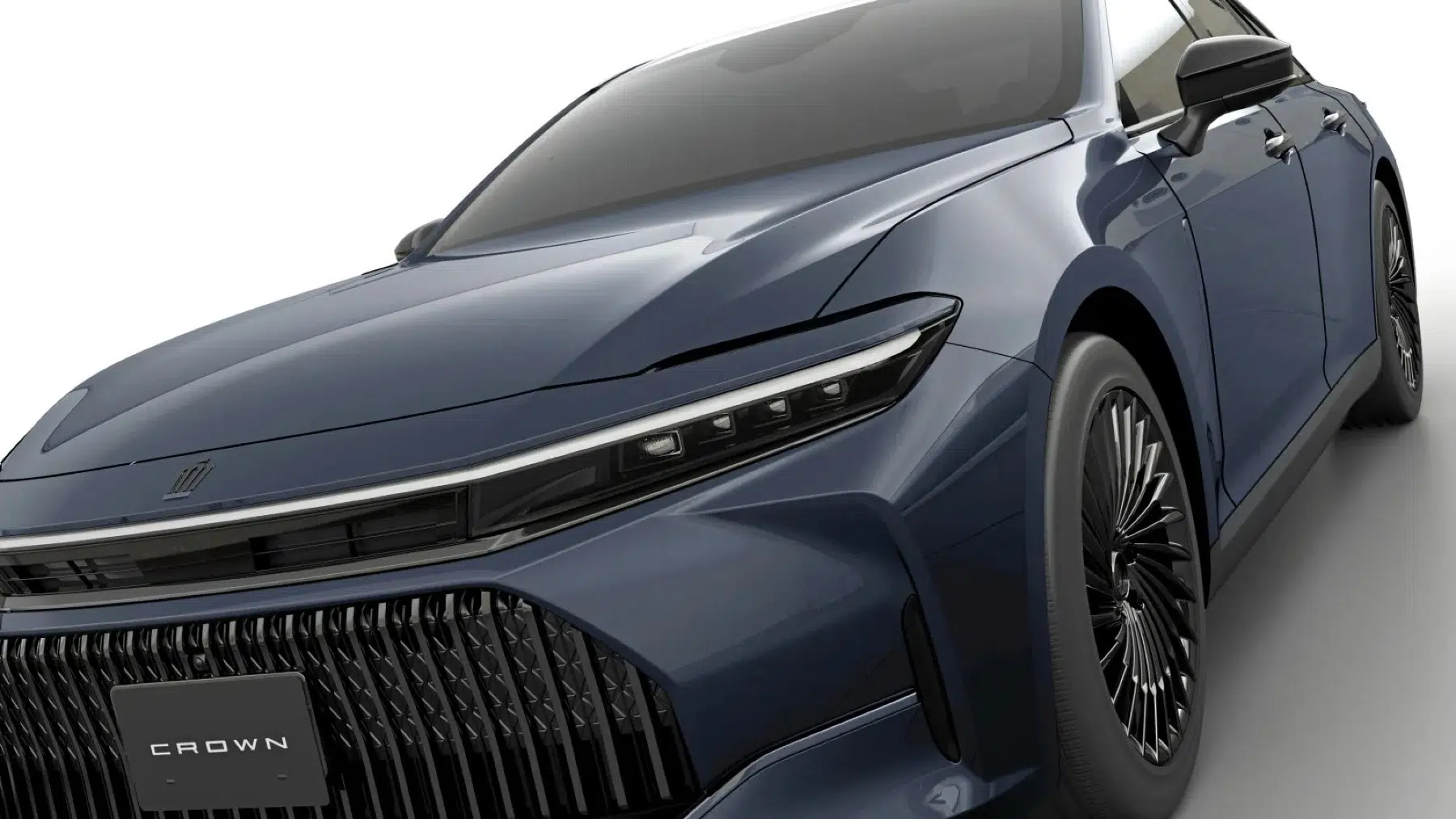
Toyota is bringing several versions of the Crown to the U.S., but the rear-wheel-drive luxury sedan with hydrogen options won’t be among them. This particular Crown stays true to the model’s classic style: a large, rear-drive luxury sedan with a reserved design. The latest iteration has a sleeker silhouette compared to previous Crowns and shares a resemblance with the hydrogen-powered Toyota Mirai. It features a long wheelbase and roomy rear seats, which can be upgraded with chauffeur-focused extras like large headrests and sunshades.
Under the hood, the Crown comes standard with a hybrid powertrain that pairs a 2.5-liter gas engine with two electric motors and a geared transmission—different from the planetary gear system Toyota usually uses in its hybrids. There’s also a hydrogen fuel-cell variant, but Toyota says this Crown model offers a longer driving range of over 500 miles on a single fill-up.
Crown prices
There are no hydrogen Crown models available in the U.S. On the other hand, they have other models. In their official website, prices for the U.S.-market Crown start at about $48,000 for the hybrid version. This vehicle is part of Toyota’s Beyond Zero initiative—a commitment to achieving carbon neutrality across their products, services, and operations.
When it comes to luxury vehicles in the U.S., Toyota usually relies on its Lexus brand. Lexus is often seen as Toyota’s luxury division and is well-known for producing dependable daily drivers packed with premium features. That said, the company hasn’t been immune to recalls when some cars hit the market with issues.
Switching the focus to turbo hybrids
Renowned for creating powerful, cutting-edge engines—like the one in this model—Toyota now seems ready to dive deeper into hybrids. Their upcoming engine will center around a new turbocharged four-cylinder, set to power the next generation of GR performance vehicles. This new four-cylinder might also replace the current turbocharged three-cylinder engine.
While details about this engine remain scarce, a new sports car believed to be based on the 2022 GR GT3 has been spotted testing. It’s expected that this model won’t carry the Toyota badge. Thanks to a collaboration between Toyota and Lexus focusing on sustainable tech and high performance, this car will likely be launched under the Lexus name.
Our coverage of events affecting companies is purely informative and descriptive. Under no circumstances does it seek to promote an opinion or create a trend, nor can it be taken as investment advice or a recommendation of any kind.
Read the whole thing?
Get the week's signal, not the noise
Our sharpest reporting on energy, climate and nature — free, once a week.