
Solar power brings to mind the image of hot desert dunes.
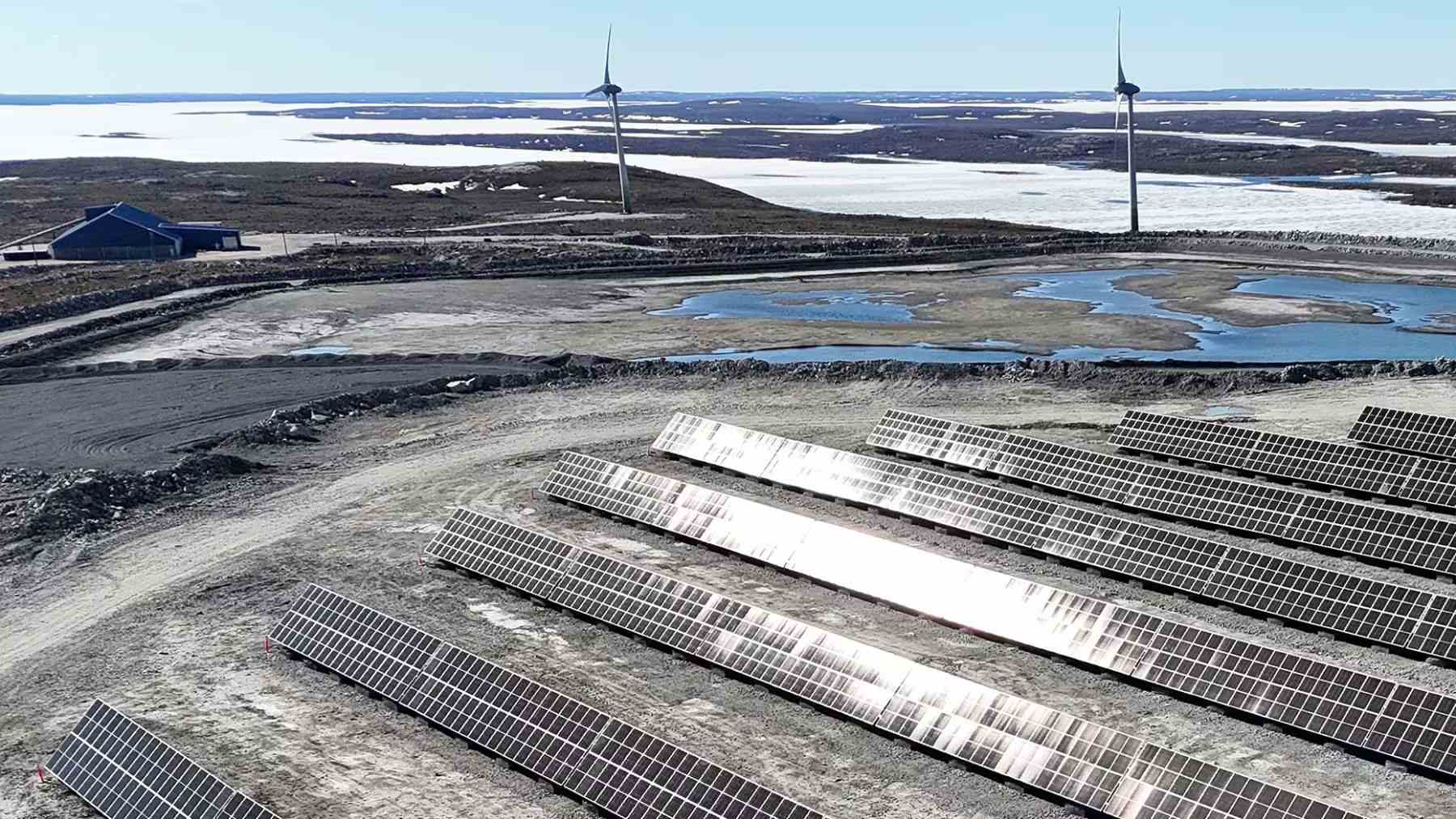
However, thousands of black solar modules now stand in the far north.
Most of the area has been blanketed with snow drifts throughout the last year.
This has created harsh conditions, with little to no sunlight for many months. So, the idea of setting up a large PV plant seems like madness.
Yet rows of tilted solar modules are securely fixed in place.
Cold polar weather became part of the solution
It was once unimaginable, but engineers discovered that extremely cold temperatures and bright ground reflectance reduced some of the main challenges.
Dual-glass solar panels absorb photons on both sides of the unit. Sunlight reflects from the snow-covered ground and strikes the rear glass surface.
The harsh cold air increases efficiency more than in warm climates due to the low temperature of the silicon cells.
Careful planning from engineers meant that all the racking was angled to make the most of the reflected light during spring and autumn.
Operating far from any regional electricity grid
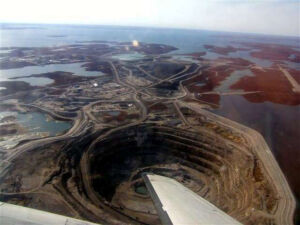
The location is alongside the Diavik Diamond Mine in the remote Northwest Territories of Canada.
As there is no electricity grid in the region, power must be generated on site. The solar array covers around 70 thousand square meters of cleared rocky land.
The steel racking is ballasted with lots of rocks and does not require large concrete foundations.
All steel beams, inverters, and glass panels were delivered over the winter using ice roads for just a few weeks of the year.
Growing scale pushed northern expectations much higher
A total of 6,620 panels are installed on the racking system with a maximum capacity of 3.5 megawatts, as reported by Rio Tinto.
Annual generation is expected to reach 4.2 million kilowatt-hours, according to Solvest. The maximum potential contribution to the electrical needs of the facility during closure is 25%.
These high levels of production are indicative of the possibility of producing utility-scale renewable energy through photovoltaic arrays in high-latitude locations where sunlight is abundant during the spring months.
However, high variability in monthly and daily photovoltaic performance exists based on weather patterns such as stormy days and cloudy days.
Some long-term reliability questions still need answering
It will take several years of data collection to determine the long-term reliability of the solar array under harsh polar conditions.
Freeze-thaw cycles and other environmental factors that may occur over a period of years may also exert stress upon various component parts of the solar array system.
Those effects would likely go unnoticed during short-term testing and evaluation.
Since weather patterns such as cloud cover are unpredictable, engineers do not know what level of electrical output to expect from one year to the next until sufficient data has been collected by operators.
Daily polar weather conditions continue creating challenges
Crews had to halt wire and electrical work involving sensitive equipment once temperatures fell below certain thresholds.
Operations personnel must continually inspect, adjust, and repair problems that arise.
Ground settlement or subsidence over time can result in misalignment of structural supports and reduce their effectiveness.
Snow conditions can also affect maintenance requirements throughout the year. All technical issues related to the PV plant are handled by local maintenance personnel because access to the location is difficult.
Future northern destinations remain open after closure
Closure activities will continue after mining operations have finished.
The entire PV plant was designed using ballast mounts, allowing for easy disassembly and removal.
At present, it has not been determined whether the mobile modules will remain to provide electrical service to nearby buildings. They could also be transferred to a new northern project.
Regardless of the completion date of closure, there is still uncertainty regarding the facility’s ultimate destination.
Read the whole thing?
Get the week's signal, not the noise
Our sharpest reporting on energy, climate and nature — free, once a week.


