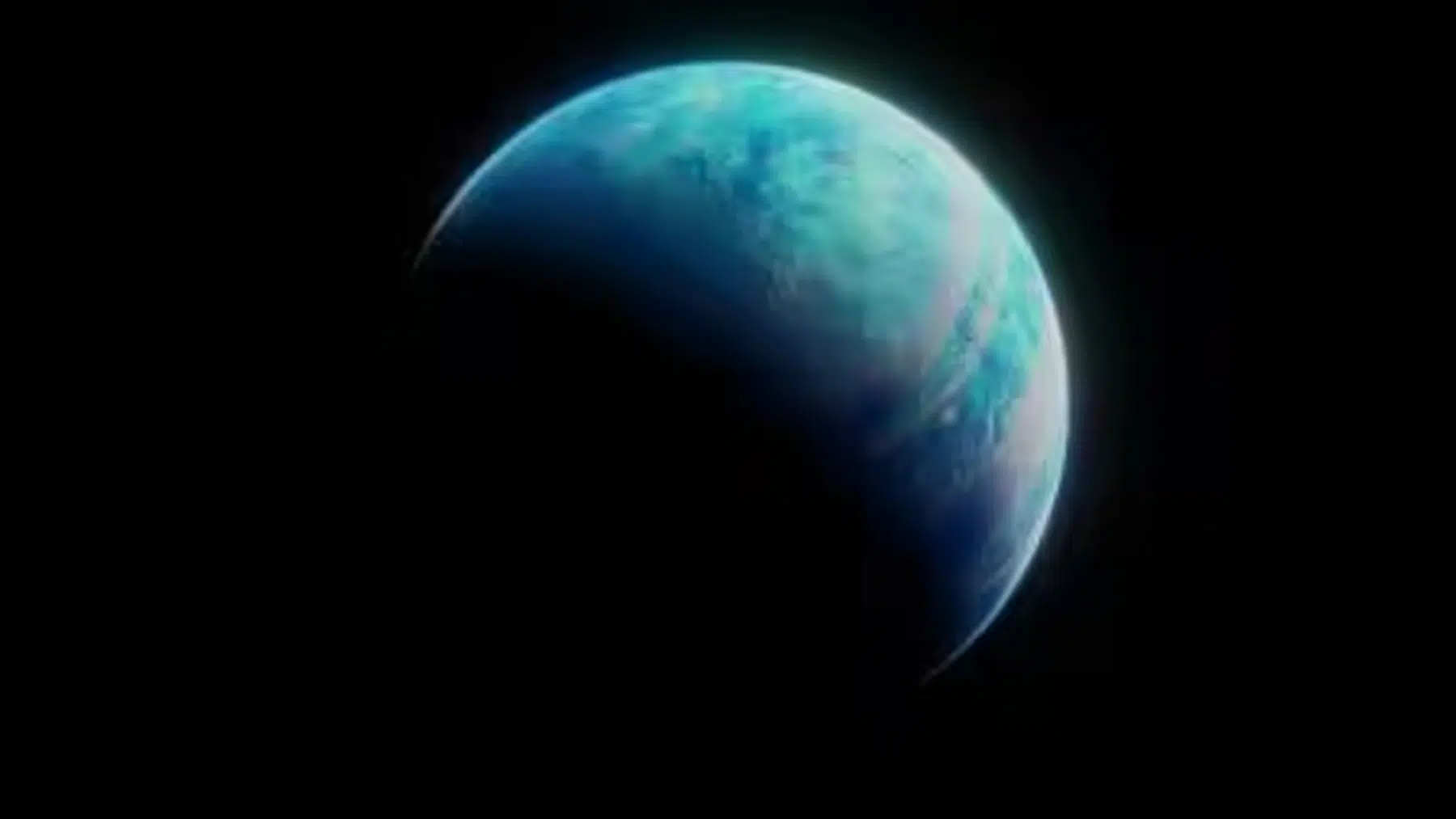
The Earth is the only planet in the solar system capable of having life inside. Due to the distance to the sun, our planet is in the perfect position for water to not be evaporated, but also not freeze. According to the astronomer and physicist Brian Cox, if Earth were 10% closer or farther away from the big star, life would not proliferate in the same way we know. On the other hand, there might be a planet in our solar system with the same characteristics – and it is at the furthest point of the solar system.
For humans to live on it, the conditions must be perfect
Mars is the planet NASA is actively studying the soil to see if humans could, eventually, habitat on the planet. So far, multiple rovers have been sent to the Red Planet, but no concrete evidence of water, the element responsible for life to proliferate on Earth, has been found. Although the robots made significant findings, it is still not enough to justify that Mars once held an organic form of life.
But the searchers didn’t stop there. NASA also studies the moons of Jupiter, planets in the intergalactic space where there might be another sun near, and the ninth planet in the solar system. The theory of another Earth-alike in our stellar formation has been intriguing scientists for decades, and it could be next to Neptune, the furthest planet from the sun.
The “Earth’s twin” inside the habitable zone
About 20 light-years from our Solar System, astronomers have confirmed a planet that could possibly support life. This exoplanet, called HD 20794 d, has a mass nearly six times that of Earth and orbits a star similar to the Sun at just the right distance for liquid water to exist on its surface.
Still, some of its characteristics raise questions about how habitable it really is. Even so, discovering a planet like this so close by is exciting—it suggests the conditions for life might be nearer than we think.
Astrophysicist Michael Cretignier from Oxford University shared his feelings about the find:
“For me, it was naturally a huge joy when we could confirm the planet’s existence,” he said. He also admitted it was a relief, since the original signal they detected was very faint, right at the edge of what their instruments could pick up. It was hard to be completely convinced at that time if the signal was real or not.”
But the planet’s closeness, just 20 light-years away, means there’s hope that future space missions could even capture an image of it.
Liquid water is a “must-have”
When searching for habitable planets, the main ingredient scientists look for is liquid water, since all known life depends on it. So the first step is to check whether a planet orbits its star at the right distance, like Earth. Too close, and water would evaporate under intense heat. Too far, and it would freeze solid. This spot is called the “habitable zone.”
The star HD 20794 is a good candidate for hosting such worlds. It’s a yellow dwarf like our Sun, but a bit smaller and older. That means it’s still burning hydrogen steadily and has been stable long enough for any planets around it to settle into their orbits.
Other planets were found in the same region
Back in 2011, astronomers found three exoplanets orbiting this star, but learning more about them was difficult. A breakthrough happened in 2022 when Cretignier noticed a faint, repeating wobble in the star’s light spectrum. This wobble likely came from the gravitational pull of an orbiting planet. Because the signal was weak, the team had to analyze the data carefully and even gather more observations using the European Southern Observatory’s ESPRESSO.
Read the whole thing?
Get the week's signal, not the noise
Our sharpest reporting on energy, climate and nature — free, once a week.