Murmurs of a new development in solar power are making the rounds in Europe. Europe, like most of the world, has been on a mission to reduce its carbon footprint. The continent has developed many projects centered on clean energy, and the goal is closer in sight than it once was. Now, it would seem, a breakthrough in solar power is being broached in Europe.
What developments are happening around solar energy in Europe?
This new development could change the approach to solar energy, not just in Europe but around the world. Silicon photovoltaics have offered a novel approach to solar energy and lower costs, but the development of this technology has not been rapid. Europe wants to achieve net-zero carbon emissions, and so unique solar energy strategies will play a crucial role in realizing that outcome.
Researchers are working on a new solar cell that promises to achieve results far beyond traditional ones. The testing of this new solar cell is surprising experts and analysts, and this new cell could alter the way solar energy is looked at, moving forward.
What is this new solar cell, and how does it work?
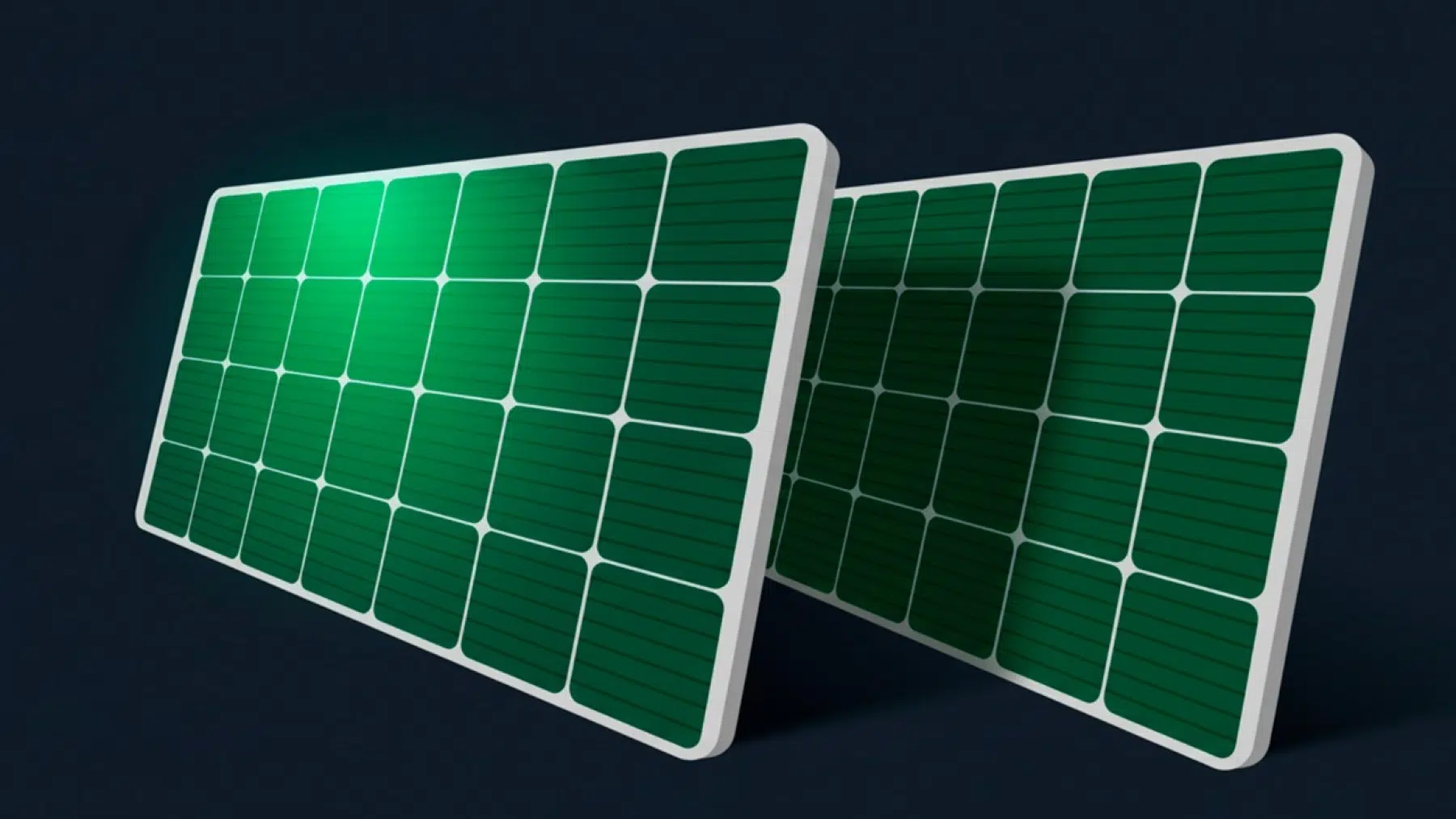
A perovskite-on-silicon tandem solar cell is the innovation. It sees two materials stacked, the one being silicon placed on the bottom of the cell to manage the lower energy aspects of the solar spectrum. The top of the cell is perovskite, which takes in the opposite side of the spectrum, the higher-energy photons. Working in tandem, these materials on this cell can wrangle a broader range of sunlight and at a better rate than if either of these materials were used alone.
This double-layered approach reduces loss in photons and increases the amount of energy the cell can convert into electricity at a higher rate than traditional photovoltaic cells.
This new solar cell is being worked on tirelessly in Europe
The push to commercialize this new solar cell is growing. Large-scale production of this solar cell has been set up by Oxford PV in Brandenburg, Germany. This represents a major turning point in any development when it comes to clean energy, as the idea has now grown beyond the confines of a laboratory, which alludes to the efficacy and confidence that researchers have placed in this new solar cell.
A research team from the Fraunhofer Institute for Solar Energy Systems ISE produced a PV module using perovskite silicon tandem solar cells from Oxford PV, achieving an efficiency of 25 percent and an output of 421 watts on an area of 1.68 square meters — making it the world’s most efficient silicon perovskite tandem solar module in industrial format.
The tandem approach using silicon and perovskite offers a few advantages and achieves what traditional solar cells cannot. Firstly, each layer applied to this cell sees to it that more of the sun’s energy is captured than in traditional cells or if these materials were used on their own. Secondly, deployment of this new cell does not mean existing manufacturing pathways need to be overhauled. These can simply be used or adapted as they are. Thirdly, this solar cell offers vast integration benefits as it can be added to rooftop installations or utility-scale arrays, as this new solar cell has been made to be compatible with standard designs.
The challenges that remain and what the future of this solar cell may hold
The use of perovskite will present some difficulty, as this material is hard to keep stable over decades of exposure to the elements. UV stress, heat, and moisture all pose a threat to its sustained longevity. This will need special mind paid to it to ensure worthwhile commercialization.
The goal remains clear for Europe. Considerable effort will be exerted in testing this new solar cell properly. This double-layered solar cell could take solar power to heights it has yet to reach, provided it makes it out of the pilot phase and on to the market.
Read the whole thing?
Get the week's signal, not the noise
Our sharpest reporting on energy, climate and nature — free, once a week.