
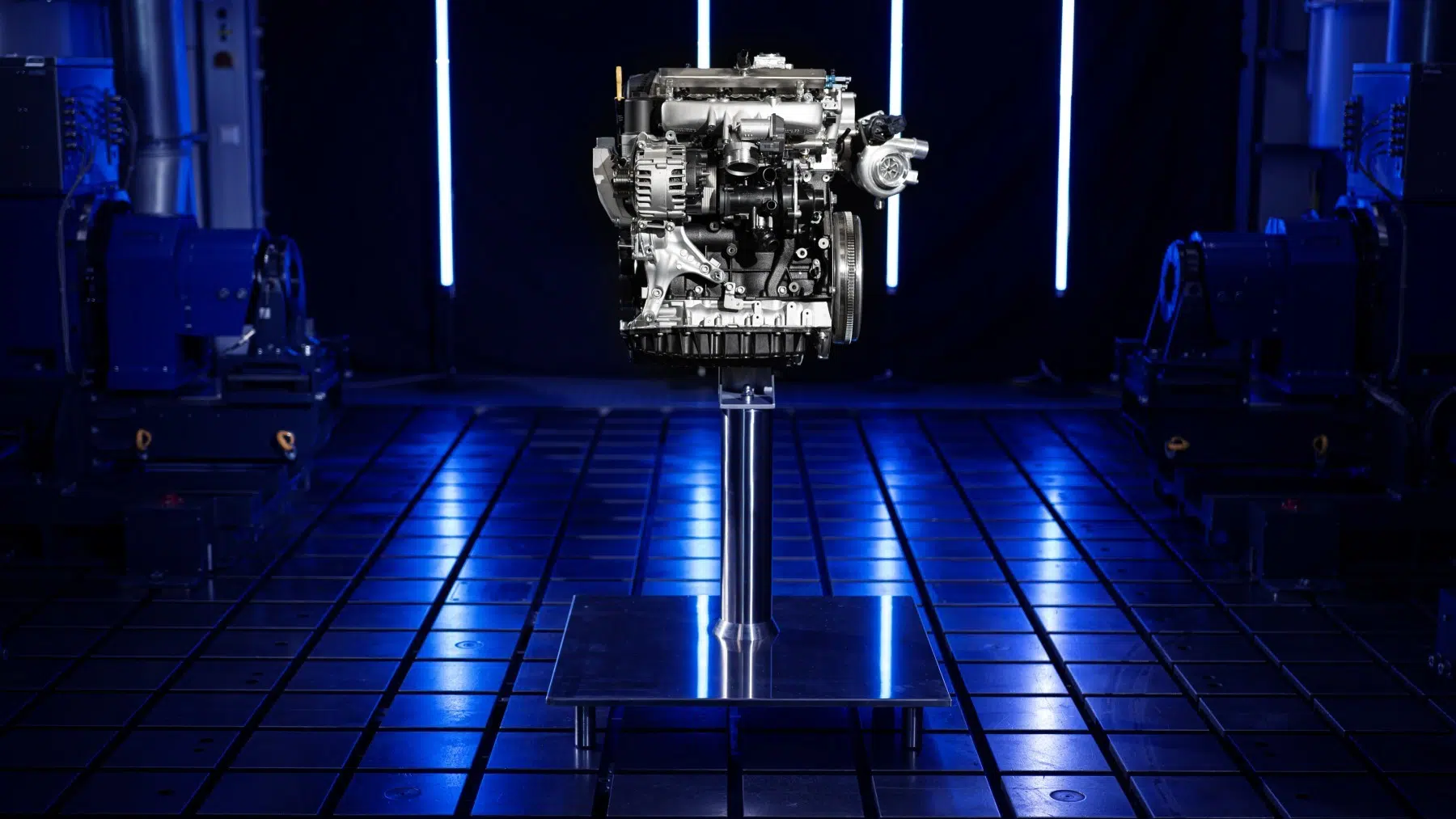
Fifty years ago, the world was on the brink of an energy crisis, and everyone was searching for a new energy source that would change everything. Into this scene stepped a Spanish inventor with a bold claim that seemed too good to be true: an engine that ran entirely on water. Oil prices were soaring, gas lines were growing, and the need for alternatives was urgent. Some inventors, like Rudolf Diesel, had explored running engines on organic matter, but it was not enough.
The machine that could turn water into fuel
The Spanish inventor Arturo Estévez Varela came up with a solution: a machine that could split water into hydrogen and oxygen, then use the hydrogen to power itself—no pollution, no fuel costs, just endless energy. The “water motor” hit the headlines and it was an exciting new frontier. Investors showed interest, governments took notice, and the public hoped for a breakthrough that could change everything.
Now, some hydrogen engines already exist, but in a different format than Estévez had imagined. To work, the tank should be air sealed, and the hydrogen is released at high pressure — a technology that wasn’t around to help 50 years ago.
The fuel crisis led to the test of new energy sources
The 1970s oil crisis had everyone searching for new energy solutions, and Estévez came up with what he called a “water motor.” According to the inventor, the engine split molecules into hydrogen and oxygen, then used the hydrogen to power itself. It was everything scientists were looking for: clean, cheap, and endless energy.
The idea quickly captured imaginations, drawing media buzz, investor interest, and even government attention. People wanted to believe this could be the breakthrough they’d been waiting for.
You get what you give – or not when it comes to water
The engine broke fundamental rules of physics, specifically the first and second laws of thermodynamics. Splitting water with electrolysis demands more energy than you get back from burning the hydrogen. Simply put, Estévez’s motor couldn’t produce free energy or run on its own.
Experts branded the invention a scam, warning it was built on wishful thinking and misinformation. Yet, Estévez’s charm and persistence fooled many for a while, turning his story into a classic lesson about the dangers of pseudoscience and the importance of skepticism. Despite the fraud, Estévez’s invention left a mark. It was one of the earliest pushes toward alternative fuels and revealed how eager people were for sustainable energy—decades before the topic went mainstream.
Bio-diesel also doesn’t fully deliver under some extreme conditions
While diesel is fossil-based, biodiesel is derived from natural, organic sources such as vegetable oils, animal fats, and used cooking oil. Typically, these fuels aren’t mixed, but in Norway, gas stations blend up to 7% biodiesel into all diesel sold to cut CO₂ emissions.
However, the move had unintended consequences. The blend caused some trucks to break down due to clogged filters and engine issues. Changes in temperature and humidity can accelerate its degradation, leading to the formation of substances that clog fuel systems and prevent engines from running properly — or from running at all.
Read the whole thing?
Get the week's signal, not the noise
Our sharpest reporting on energy, climate and nature — free, once a week.


