
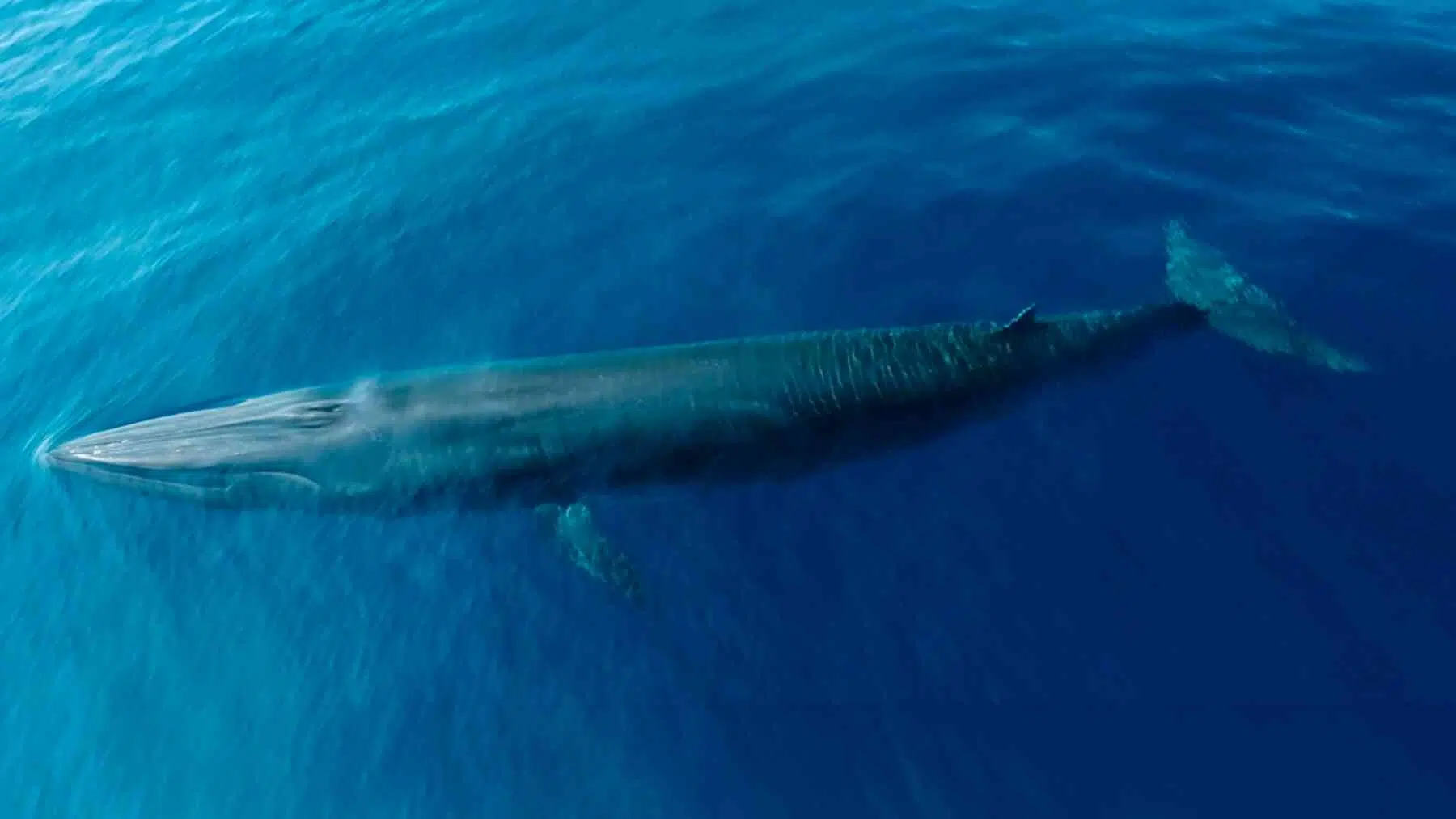
Gulf of Mexico whales are already so rare that most people don’t expect the number to be this small.
Fifty-one, compared to thousands or even hundreds, feels incredibly low.
Scientists have identified each individual and can follow their movements and behaviors, which shows just how low their numbers are.
It is nearly impossible to imagine a situation where a population drops to this level.
So many variables come into play when a population is reduced this far.
As soon as you see the number presented like this, one question comes to mind: what type of animal could possibly exist under these circumstances?
What does it mean when only 51 remain?
Once the numbers drop this low, everything begins to change at every level.
Trends and estimates can no longer keep up with what is happening as the numbers continue to decline.
At this scale, every individual begins to matter in a way that is hard to ignore.
With so few animals remaining, nearly all activity becomes important and is carefully recorded.
Scientists monitoring these remaining 51 animals in the Gulf of Mexico study them far more closely than most wild populations.
They follow each interaction and movement, building detailed profiles around every individual.
Over time, this has created a clearer picture of behavior and movement patterns.
At this point, there is very little margin for error. The loss of even one individual is not merely a statistic; it moves the species closer to extinction.
How did scientists begin to recognize the animals?
The development of a method of recognition for the Rice’s whales did not occur instantly.
Initially, the distinguishing characteristics were slight, with small variances in coloration, markings, and behavior.
Over time, these gradually developed into recognizable traits.
By continuing to observe and document the whales’ behavior, scientists were able to establish identifiable patterns.
The process developed into a system based on detail and documentation.
With increased observation, those patterns continued to support the established methods.
Individuals were located in the same geographic area. Others followed the same migration patterns.
Some also had physical features that made them easier to identify across multiple encounters.
This created an extraordinary circumstance among wildlife—an entire population where each member can be individually recognized, monitored, and recalled.
However, this raised another question: what type of animal would end up being known individually?
For more detailed information on this species, resources are available from the Marine Mammal Commission.
Which animal are we referring to?
The picture is coming into focus.
The parts are beginning to fall into place. Not all at once, but piece by little piece; slowly.
Each additional detail adds to the growing pattern.
Enough has developed so that there is no other way of looking at it.
To whom does this story lead?
The animal being referred to is the Rice’s whale.
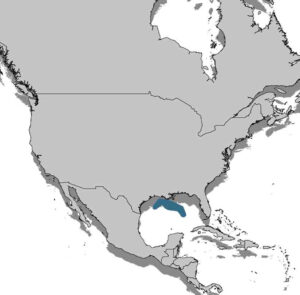
A rare species only in the Gulf of Mexico. Unlike other whales that travel across entire oceans, they stay within a much smaller range.
For this reason, researchers have been able to create unique identifiers for each individual.
Because they are confined to this region and return to the same areas, they are able to follow their movements consistently.
Rice’s whales are massive creatures that move slowly through the water.
Their size allows researchers to easily locate them; however, their limited range also leaves them highly susceptible to environmental threats.
Each encounter with a Rice’s whale is added to existing records.
Every time one is not found, it represents lost information—so if one eventually stops appearing, what does that mean for a population this small?
Read the whole thing?
Get the week's signal, not the noise
Our sharpest reporting on energy, climate and nature — free, once a week.




