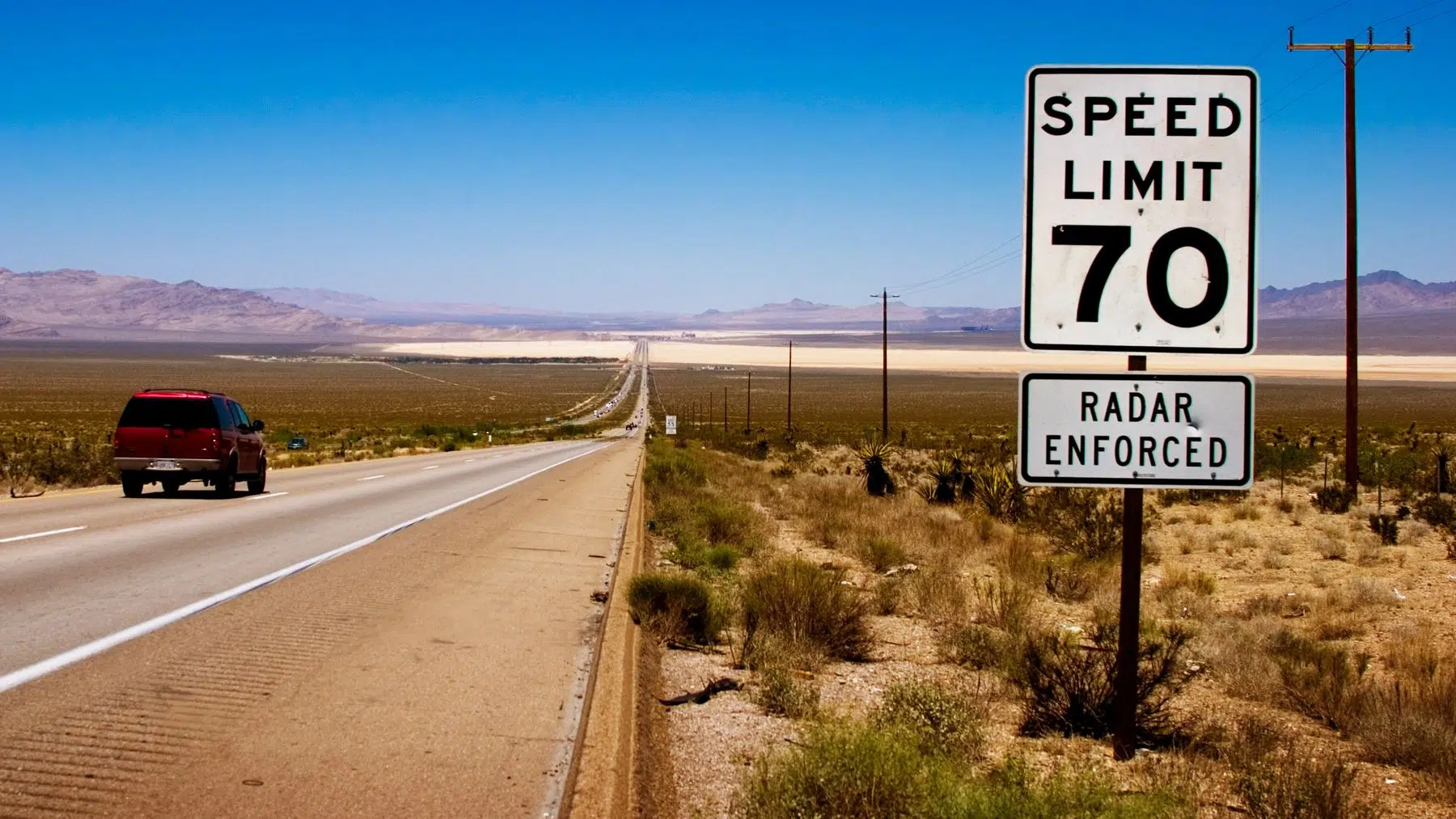
Things are about to change in relation to speed limits in Brooklyn, and if you are a driver residing in that area, prepare to drive a little slower than before. According to recent reports from Brooklyn Paper and The City Life, authorities are executing a speed limit change and dropping to 20 mph. Dumbo, a neighbourhood in Brooklyn, becomes Brooklyn’s first “Regional Slow Zone,” hence the speed reduction law.
Many residents in neighbourhoods have lost their lives or gotten injured because of drivers overspeeding or perhaps just speeding normally, as per speed regulations or limitations but still causing accidents. Therefore, local authorities have seen it fit and feasible to implement this law in Brooklyn to preserve the lives of many people and not take any risks.
Where are speed limits going to change? Knowing about the new “Slow Zones”
The speed adjustment is targeted at specific regions or areas of Brooklyn, New York. Speed limits will be reduced from the typical 25 mph to as low as 20 mph in the following zones: Furman Street to Navy and Hudson Streets and north-south from roughly John Street to Sands Street and the Brooklyn-Queens Expressway, according to the Brooklyn Paper. Additionally, each of Queens, the Bronx, and Staten Island will have its own slow zone.
The reason behind these speed limit reductions in these locations is because of the high pedestrian traffic and just the regular growth in population. Therefore, it is better for drivers to slow down because many people can be caught in a situation where they get injured due to cars speeding at a high-speed limit. The slowdown is also motivated by Sammy’s Law, which was passed in the 2024 legislative session to increase road safety.
What Sammy’s law is about and why it has influenced this slowdown decision
In 2013, a young boy named Sammy Cohen Eckstein, who was 12 years old, was hit and killed by a driver. Therefore, this tragic scenario pushed for slow zones and the law was named after him. This is because these kinds of regulations were not looked into that much and perhaps authorities did not realise how much the regions were populating and a life was lost.
The Department of Transportation wants to ensure that by the end of 2025, 250 regions will have the 20 mph speed limit, especially in sensitive neighbouring streets such as schools and shared streets. This decision has not just come from the DOT, but the community at large has also agreed to this because some of them have lost loved ones due to high-speed limits and anything that can reduce that will be a great initiative.
The newly designated Regional Slow Zone regions
The following are the new regional slow zone areas, according to The City Life:
- City Island: The entire island, or 0.42 square miles, will be included in the new Bronx zone. In the last five years, there have been five serious traffic injuries on City Island, and local authorities want to ensure that such incidences do not transpire again with this new law.
- DUMBO: Furman Street will be to the west, Water Street, Plymouth Street, and John Street to the north, Navy Street and Hudson Avenue to the east, and Sands Street and the Brooklyn-Queens Expressway to the south. The Brooklyn zone will be 0.18 square miles in size, according to The City Life. Over the past five years, there has been one traffic fatality and ten serious injuries in this area.
- Broad Channel: From East Sixth Road to West 22nd Road, the Queens zone will cover 0.16 square miles. In the past five years, there has been one traffic fatality and six serious injuries in this area.
- New Brighton: The Staten Island zone will encompass the 0.25-square-mile neighbourhood that is closest to the Staten Island Ferry Terminal. It shares boundaries with Richmond Terrace to the north, Jersey Street to the east, Prospect Avenue to the south, and Tysen Street and Clinton Avenue to the west. Except for Richmond Terrace, which will continue to be 30 mph, speeds will be reduced on adjacent roads. In the past five years, there have been 12 serious injuries and no road fatalities in this area.
This imminent change in speed limits reduces the chances of individuals getting hurt by a higher percentage and because of different factors such as urbanisation that has caused pedestrian traffic and high populations, reserving the lives of individuals is a priority at this point. It is good to see local authorities work hard just to ensure that another life is not lost, or injured.
Read the whole thing?
Get the week's signal, not the noise
Our sharpest reporting on energy, climate and nature — free, once a week.