
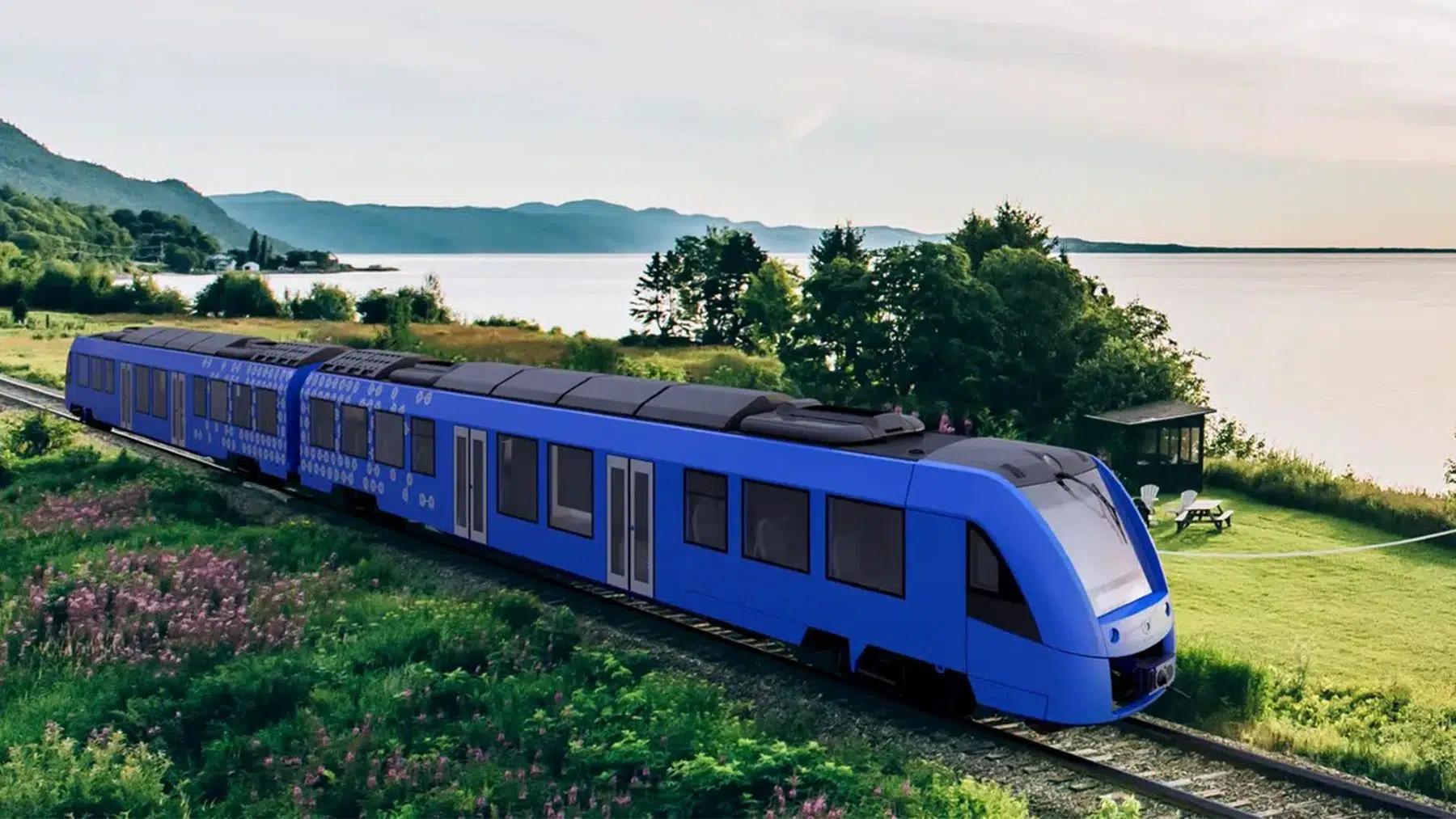
A certain number of automakers are developing their hydrogen projects in various forms. Some are doing so to keep up with the technology and don’t get left behind, others are trying to develop the reference in this field, and India has just hit the jackpot. A local company created a train powered by hydrogen, something powerful enough to be put side by side with the fastest trains on Earth. Other countries are also developing trains using renewable sources of fuel.
Trains are one of the pioneers in the transport industry
Rail transport is changing. Once powered by coal and then diesel, trains are now part of the global race for cleaner energy. In Europe, battery-powered lines are expanding. In Japan, hydrogen tests are underway on high-speed routes. The goal is to reduce emissions without losing speed or power. An industry known for heavy fuel use is starting to play a bigger role in sustainable transport.
And it’s not just high-speed trains leading the shift. Freight and regional lines — usually slower to innovate — are also beginning to look for greener solutions. Hydrogen, in particular, has gained attention as a fuel capable of delivering both power and range—two essential demands in rail operations. In the push for cleaner transport, a new contender has entered the race.
India launched its first hydrogen train
India launched the first trials for its first hydrogen train, marking a big step toward sustainable rail transport. Powered by a 1,200-horsepower hydrogen engine, the train will be the most powerful of its kind in the world—outperforming similar trains in other countries, which typically range between 500 and 600 horsepower.
Hydrogen trains are seen as a cleaner alternative to diesel engines, helping reduce emissions and modernize railway systems. This new train highlights India’s growing expertise in advanced railway technology and sustainable engineering. Alongside it, India is also working on high-power locomotives.
Railway Minister Ashwini Vaishnaw recently announced the development of a 9,000-horsepower locomotive being built in Dahod, Gujarat. He described the machine as so advanced it looks more like a data center than a typical train engine. These innovations could position India as a future leader in manufacturing and exporting modern railway equipment. Vaishnaw said India has already proven itself in industries like electronics, telecom, and defense, and sees railways as the next sector where the country could lead.
How did they create the train?
With steady investment in technology, infrastructure, and workforce training, India is positioning itself as a serious player in global rail manufacturing. The rollout of its hydrogen-powered train — now the most powerful of its kind — marks a significant step in that direction.
India’s focus on clean energy and a modernized rail system is aimed at improving domestic travel while raising its profile on the international stage. The country’s push for sustainability goes beyond trains. Eco-lodges in Kerala, responsible trekking routes in the Himalayas, and conservation projects in Madhya Pradesh are attracting travelers looking for greener ways to explore.
The idea has been under development for years
The country’s first hydrogen-powered train project took shape in December 2021, when the Research Designs and Standards Organisation (RDSO) locked in the technical blueprint for the hydrogen fuel cell system.
Production was handed to the Integral Coach Factory (ICF) in Chennai. Their task wasn’t just to build passenger coaches but also to design space for critical components, including hydrogen cylinders, fuel cell converters, batteries, and air reservoirs—all necessary for the train’s operation.
The result: a hydrogen engine built with local technology, producing 1,200 horsepower — more than double the output of most hydrogen trains abroad, which average between 500 and 600 horsepower.
Our coverage of events affecting companies is purely informative and descriptive. Under no circumstances does it seek to promote an opinion or create a trend, nor can it be taken as investment advice or a recommendation of any kind.
Read the whole thing?
Get the week's signal, not the noise
Our sharpest reporting on energy, climate and nature — free, once a week.


