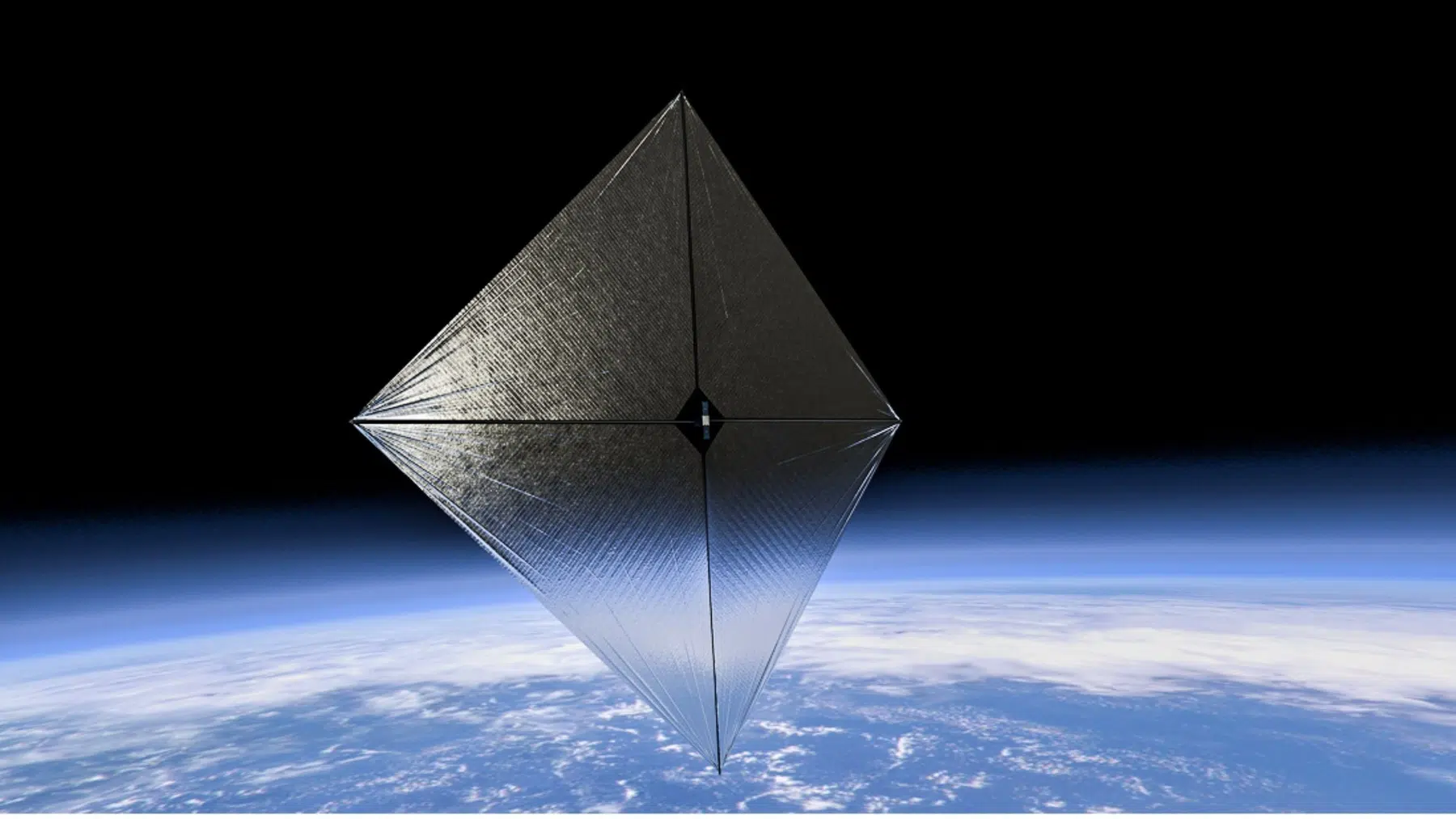
A possible source of renewable energy for propulsion is currently being tested by NASA. The new type of propulsion could see an end to the most expensive and dangerous part of space exploration, the rocket propulsion system. The space agencies of the world have relied on rocket fuel and indeed rocket power to propel us into the stars. This new type of solar power has the potential to change the way we explore space for the future. What makes this flying solar sail so special, amongst a range of factors, is that it can be powered entirely by the sun.
What is the practical application possibilities of a solar sail?
The space race was brought into the public’s eye with the Apollo missions. The exploration of the moon and space was the newest and most expensive frontier yet. During the Apollo program that lasted from 1961 to 1972, the American government spent an estimated $25.8 billion in total. One must ask if they could have explored some alternative options.
The cold war and the eventual space race between Russia and the United States was responsible for a lot of innovation. The apparent race to become the first in space meant that the easiest, not cheapest or most efficient, form of propulsion was what got the money from the governments. That ended up being rocket propulsion. A costly form of getting humans around. While some alternative energy options exist, the world is still searching.
Since then, the world has explored a vast number of alternative propulsion options for space travel. The theoretical proposals range from electric propulsion, nuclear propulsion, and even concepts like mass drivers and space elevators. Concepts that seem straight out of a science fiction novel. However, one form of energy collection has always interested the scientist of the world, solar power.
Can solar power drive us even further into the universe?
The concept of solar power was an extremely exciting prospect. The earliest recorded use of solar power dates back to the ancient Greeks and Romans, who used mirrors to light torches and heat bathhouses. However coming up with a scientific theory would take some time indeed. Only in 1839 was the process known as the photovoltaic effect proposed and written down.
It wasn’t until the 20th century that the first solar cell was created. Now we find solar panels on everything. The infrastructure and weather proved to be an issue as far as practical use of solar power on earth. However, space is a very different story. The concept behind a space sail is that the sail is made up of reflective materials that capture the sun’s rays.
Because of the more direct exposure to the sun, the solar power is significantly stronger in space than here on earth. A spacecraft with a solar sail could very easily collect the sun’s rays and use them to propel itself further than any rocket ever could. Since the days of the cold war have ended, there is some co-operation between the different stakeholders at a reasonable level.
What are the long term effects of changing the power source of the space race?
The ambition that we have to search the universe for answers has a direct effect on the energy sector. The world is looking for the next alternative source of fuel in the energy sector. The potential of this new solar sail is huge. Imagine a scenario where we could send a ship into space that is powered only by the sun. How much cheaper would it be to send a human into space? What will the long term effects on the energy sector be? Could the solar industry on earth benefit from the advancement of the solar propulsion system currently being tested?
Read the whole thing?
Get the week's signal, not the noise
Our sharpest reporting on energy, climate and nature — free, once a week.