What if the end of climate change and pollution did not require complicated theories, machines and equipment but just innovative materials formed in a university lab? According to Northwestern University, their researchers and scientists have advanced a potential innovative technology that can extract carbon dioxide (CO₂) from the atmosphere, and they have proved that with many materials that could be utilised to make this idea a success. It could be the end of Earth’s pollution. This is what the world wants to hear because it is promising something magnificent in the energy sector.
Backed and supported by the Department of Energy, the goal is to clean the air. Although most parts of the world have managed and are still managing to develop and engineer various renewable energy tools and sources to reduce pollution and climate change, we should take note of the CO₂ that has accumulated over the years and needs to be removed.
These substances function similarly to sponges, but instead of absorbing water, they absorb carbon
The four ‘miracle’ materials belong to a family called metal-organic frameworks (MOFs) created by a professor called Omar Farha and his team at Northwestern. When you see the MOFs, they do not look aesthetically pleasing but they are effective and known to be able to capture gas and carbon dioxide and this marks their superpower as a contribution to reducing toxins from the air.
A simple example would be the traditional sponge that absorbs water. However, this one absorbs CO₂ and not water. They have ensured that water is not absorbed, as it is a key component of health and cleanliness in the environment. They stand out because they do not need a lot of energy to regenerate, meaning they can be reused without worrying about energy expenses.
According to Northwestern Now, fighting against carbon dioxide is not totally removing the fact that toxins will still be emitted into the atmosphere. Therefore, investigating cost-effective materials that can capture all the toxins in the atmosphere can help compensate for emissions from delocalised industries like agriculture and aviation, where emissions are especially hard to identify and measure.
Illinois could become the Midwest’s and perhaps the world’s green-heart
The U.S. Energy Information Administration reported that Illinois is already renewable energy stable. It has a stronger nuclear energy power than any other state in the United States, making the capture process powered by nuclear energy an alluring and dependable zero-carbon energy source, states Northwestern Now. Illinois is in a unique position to play this part.
The Illinois state is the ideal testing ground for large-scale impact since it contains numerous significant emitters and extensive geological formations that are excellent for storing captured carbon underground. If this Midwestern hub is effective, it might bridge the gap between science and policy and serve as a global model for carbon removal, says Northwestern Now.
Although these materials are helpful, renewable energy sources remain crucial
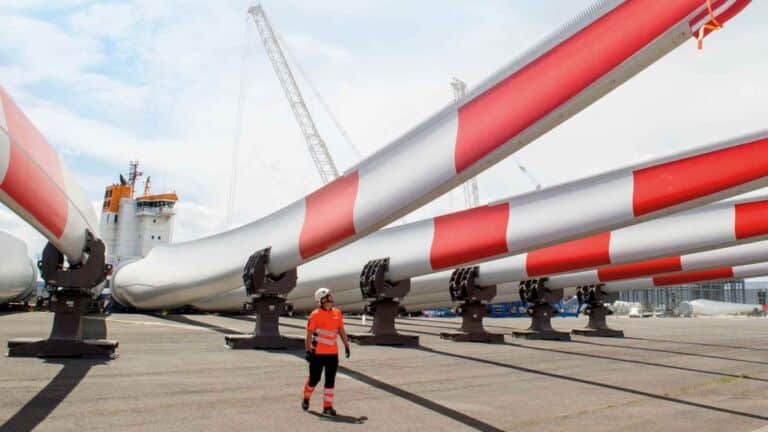
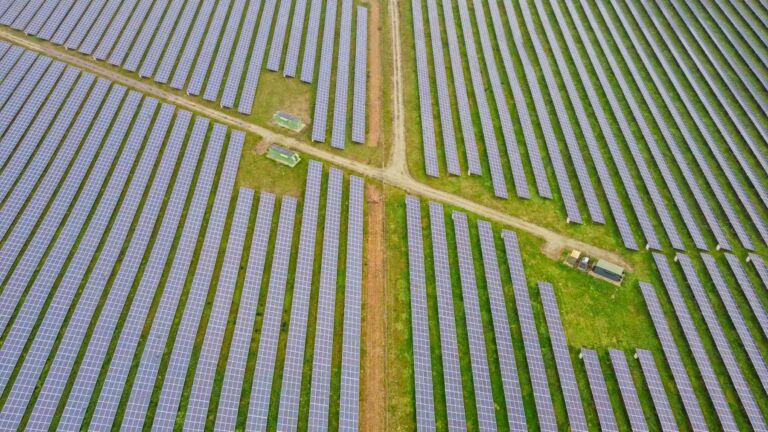
This discovery can excite us and make us see it as a completed implementation; however, experts have affirmed that CO₂ capture is not the blueprint. It is something still being looked into and researchers want to see how it can be implemented effectively. It is important that as a global community, we also stop polluting the air by reducing fossil fuels and utilising other renewables such as solar or wind energies. McCormick School of Engineering PhD graduate Benjamin Shindel said, “Carbon capture is still in its nascent stages as a field.” It will get cheaper and better once they have mastered the technology to produce it.
Read the whole thing?
Get the week's signal, not the noise
Our sharpest reporting on energy, climate and nature — free, once a week.