
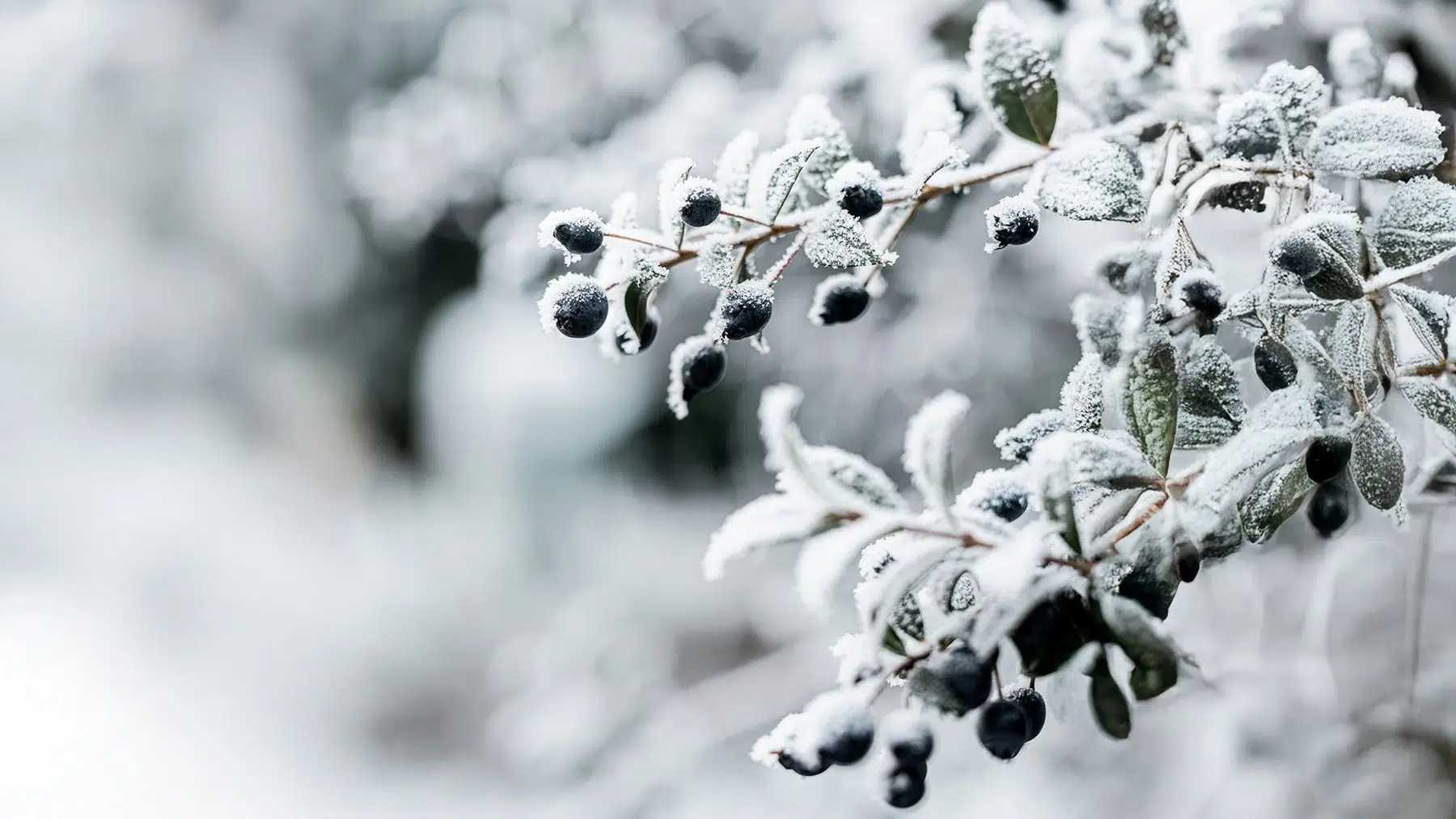
Much like a great poem, American landscapes transform into a scene of brilliant frozen, crystallized ice since the trees and grass are dipped in patterns of ice, until the sun starts to rise. While we often see this scene as being a snowy scene, it is actually hoar frost. The hoar frost phenomenon is more than a pleasing visual; it is the moment that reveals much about the temperature, moisture, and stillness. With hoar frost, it goes to show that slight weather changes can have more drastic effects.
Understanding more about hoar frost and what causes this?
Hoar frost is the result of direct deposition from water vapor from the air appearing on surfaces that seem to be freezing already. Hoar is an archaic English term meaning grey or white with age. While it is not quite frost, it looks very feathery or crystal-like. Hoar frost can thus be seen as a crystalline ice deposit as opposed to looking watery.
This atmospheric water vapor does not transform into liquid and goes straight into a solid ice form. This deposition process creates the feather-like structure.
Most of the time, hoar frost forms on windless nights
The only time that these crystalized structures form is during the most opportune weather conditions. When there are clear skies, the ground and all exposed surfaces lose heat through radiation. On windless nights with the calmer air, warmer air cannot mix downwards, letting the temperatures drop below 0°C.
With the moist air coming into contact with cooler surfaces, the water vapor freezes to form crystals. The crystals grow outward in multiple directions and, in turn, form delicate structures that look like branching patterns. Tree branches and twigs are the best surfaces since they stay cold and allow the crystals to grow.
Size and complexity of hoar frost
Depending on how much water vapor there is in the air, the size and complexity of the hoar frost will develop. Crystals do grow larger when the humidity is rather high. When the air is rather dry, thinner frost deposits result.
In this way, temperature is of utmost importance. For crystals to grow, surfaces ought to be cold. This is another reason why hoar frost ends up disappearing rather suddenly when the sun rises. This hoar frost disappears all too fast, almost as quickly as it was formed. With the heavy snow alert and below-normal temperatures predicted for five states, we can expect a frozen start to December and perhaps the chance to observe nature showing off with hoar frost and other phenomenal occurrences.
What could hoar frost mean for trees and landscapes?
While hoar frost looks rather striking in appearance, it does not pose any harm to trees and vegetation. This occurrence can be seen in North America and the United Kingdom, and all the trees that reflect these patterns can handle the icy frost-like structures with minimal damage. These branch-like structures form on the surface of the tree rather than attaching to the plant’s tissue.
This occurrence is not quite a destructive one, as it showcases nature’s most magnificent display that forms rather silently and is not the result of any storm. These windless nights can lead to something most spectacular, a force of nature, stillness, and remarkable balance. The next time hoar frost is spotted, stop to admire this amazing occurrence that is shaped by the atmosphere itself. While the concept of hoar frost forming may chill your bones, another chilling discovery is the fact that the coldest spot in the universe is found, and astronomers are already mapping a new “cosmic frost zone.”
Read the whole thing?
Get the week's signal, not the noise
Our sharpest reporting on energy, climate and nature — free, once a week.


