In the 1990s and early 2000s, Mazda was the desire of all car lovers. From the movie saga Fast and Furious to the Japanese culture, the RX-7 was its most famous model. Not only did it deliver beautiful and powerful cars, but its rotary engine also changed the game, as it was smaller and better than many others at the time. The little triangle under the hood misled many car lovers, from its size to the amount of horsepower it was able to generate. It was a turning point for the manufacturer, but now it’s time to move on.
The brand was as iconic as it gets
Mazda is a well-known car manufacturer, but it never went exactly to the mainstream as the cars would have to be imported for many countries, and specific models, like the RX-7, were so rare that many opted for a platonic relationship with the car. On the other side, there were some gearheads getting their hands on the engine and making their own projects.
As technology evolves, the need to adapt is constant, and the brand couldn’t afford to stay behind, only adapting its own craft. Now, Mazda is taking a step into the future, leaving behind, for now, its rotary engine that changed a whole generation of Japanese cars.
Mazda has new plans for the future
Mazda is reshaping its approach with a new “Lean Asset Strategy,” focusing on making its electrification plans more flexible, cutting R&D costs, and finding ways to build smarter. The company has scaled back its EV investment and announced the new SkyActiv-Z engine, a hybrid setup that will debut in the next-gen CX-5 by late 2027.
The carmaker is calling the years leading up to 2030 its “dawn of electrification” and plans to stick with its “Multi-Solution” approach — offering a mix of internal combustion, hybrid, and fully electric models based on customer demand. To make this shift work, it reduced its electrification budget from ¥2 trillion ($13.3 billion) to ¥1.5 trillion ($10 billion), leaning on collaborations with Changan, Toyota, Denso, and BluE Nexus.
The idea is to build EVs and traditional combustion models on the same lines, and Mazda can cut investment by 85% compared to setting up a dedicated electric plant. These flexible lines will use automated guided vehicles (AGVs), AI tools, and over-the-air software updates to streamline production.
New project for 2027
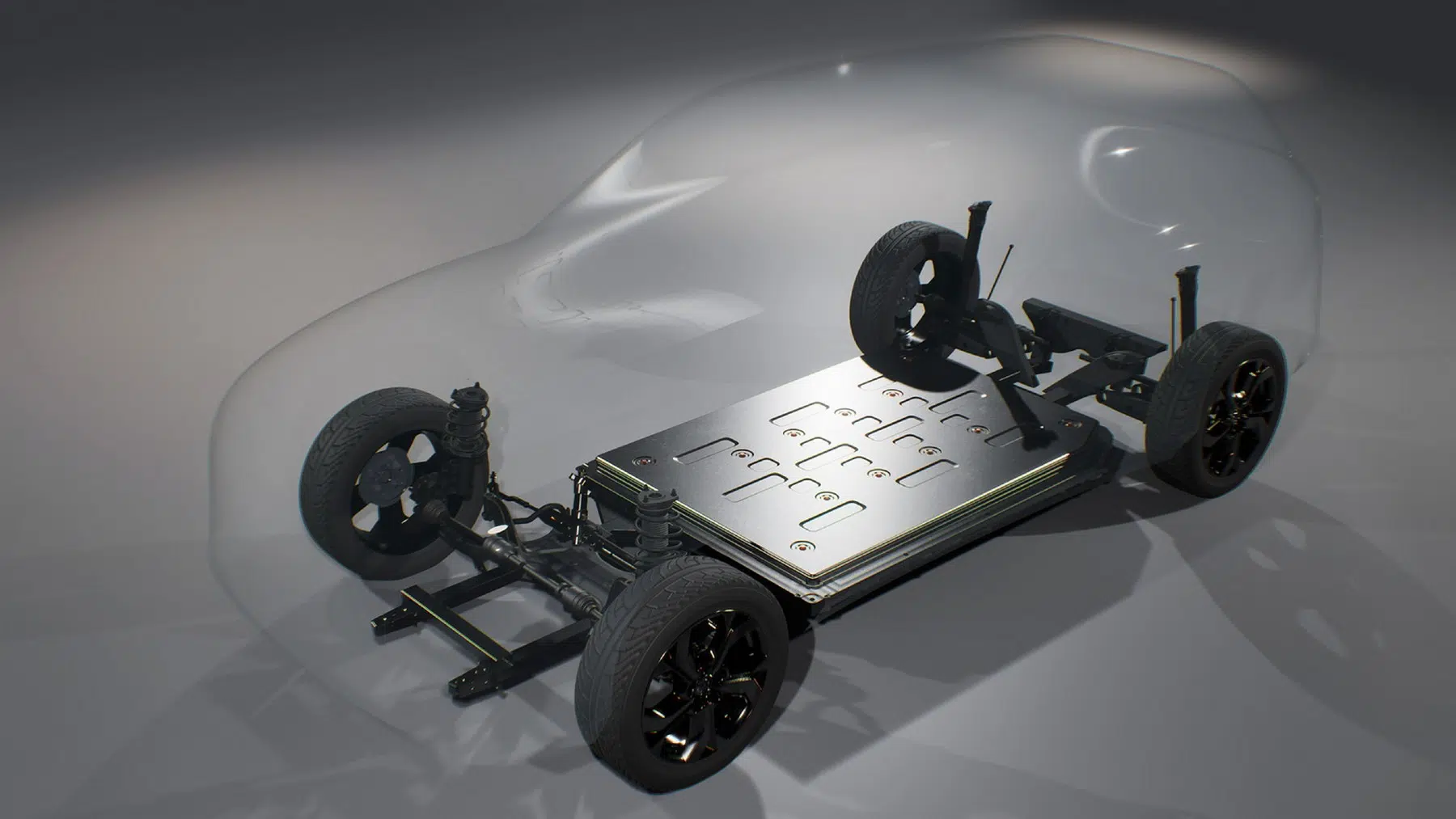
Alongside its Mazda 6e sedan and an upcoming electric SUV (expected to be called the CX-6e) — both developed with Changan — the company is working on another EV slated for 2027. This new model will sit on its own-built platform designed to fit different battery setups and body styles.
Through these partnerships, the brand says it has slashed EV R&D costs by 40% and cut development time in half. The new model will be built in Japan and feature batteries from Panasonic Energy, with plans for a global launch across Japan, Europe, and North America.
The goal is to bring performance as close as possible to combustion
The manufacturer is putting a lot of focus on its new SkyActiv-Z engine. The first model to get it will be the next-gen CX-5, paired with a hybrid system developed in-house. The new SUV is expected later this year, while the version with the electrified SkyActiv-Z is set to arrive by the end of 2027.
The carmaker describes the engine as “close to the ultimate combustion,” combining strong performance with excellent efficiency. It’s designed to meet some of the toughest emission standards out there — Euro 7 in Europe, LEV4 and Tier 4 in the US — making sure it has a solid place in the brand’s future lineup as the need for electric vehicles is rising.
Our coverage of events affecting companies is purely informative and descriptive. Under no circumstances does it seek to promote an opinion or create a trend, nor can it be taken as investment advice or a recommendation of any kind.
Read the whole thing?
Get the week's signal, not the noise
Our sharpest reporting on energy, climate and nature — free, once a week.