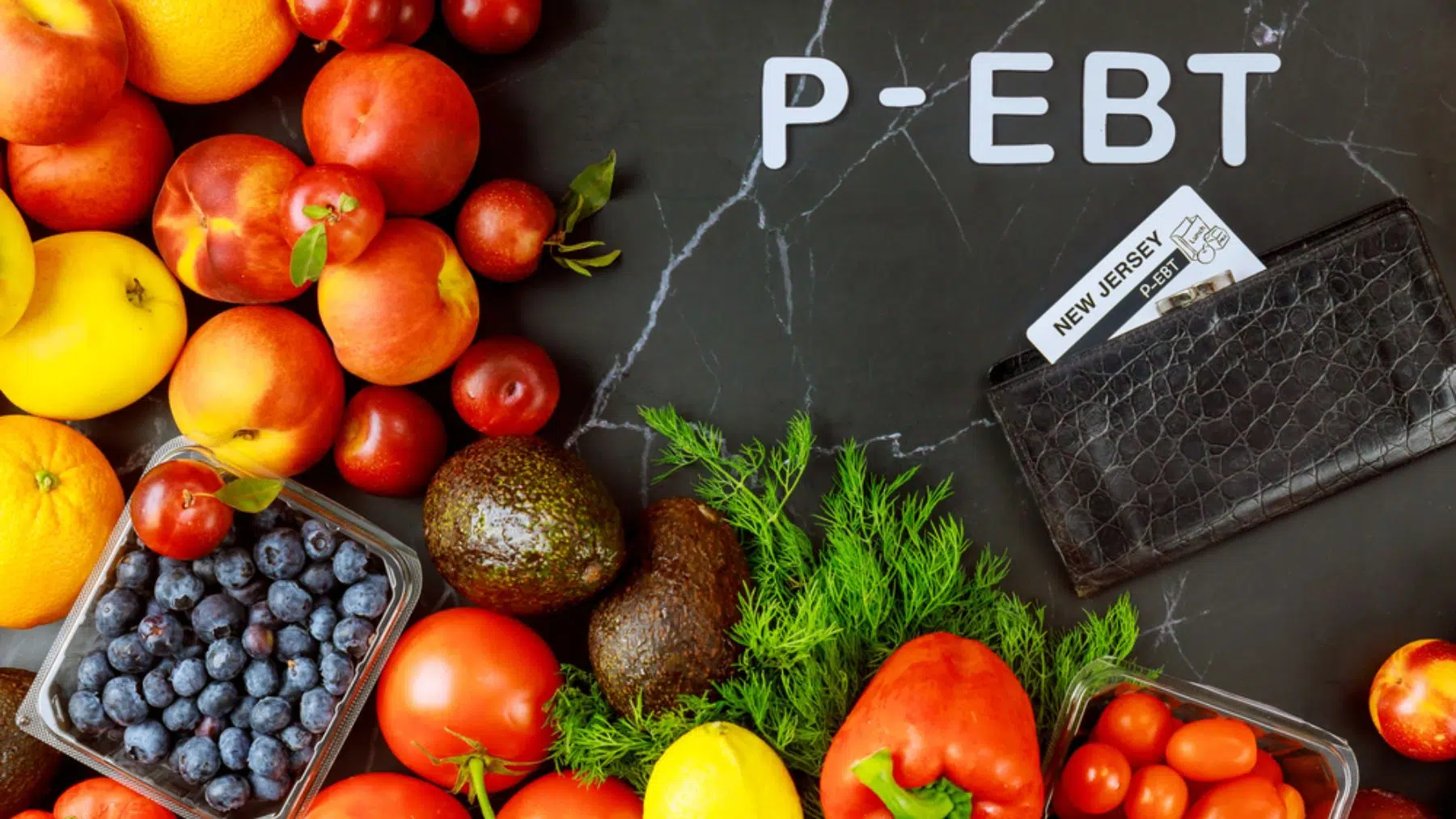
In 1964, President Lyndon Johnson requested that a permanent Food Stamp Program be enacted. His request followed the success of the food stamps’ pilot programs. Later that year, President Johnson signed such a program into law under the endorsement of his “War on Poverty.” Today, food stamps, more recently known as SNAP or the Supplemental Nutrition Assistance Program, are the largest anti-hunger program in America. Now, people in this state will be the first to say goodbye to buying a certain product with food stamps following a state ban.
This product will no longer be available to buy with food stamps
The policy to ban a specific product represents a noteworthy shift for the federal food assistance program, which aids more than 42 million Americans. In the US, the first state has already received federal approval to ban the purchase of sodas and energy drinks with Supplemental Nutrition Assistance Program (SNAP) benefits, formerly known as food stamps. The ban will affect almost 152,000 beneficiaries in the state. Secretary of Agriculture Brooke Rollins called the move:
“A historic step to make America healthy again.“
As part of the Make America Healthy Again agenda, this historic ban seeks to reverse the countrywide alarming disease trends:
- Prediabetes affects one in three children ages 12 to 19
- 40% of school-aged children and adolescents have at least one chronic condition
- 15% of high school students drink one or more sodas daily
Some declared it a victory for public health, however, criticism followed promptly. The Food Research & Action Center criticized the initiative, arguing that the ban does not address the fundamental issue. According to the center’s deputy director, Gina Plata-Nino:
“Incentive-based, not punitive, policies are more effective and dignified in improving nutrition.”
The first state to initiate the ban
Nebraska is the first state in the US to receive federal approval to ban the use of SNAP benefits to buy sodas and energy drinks. Eric Savaiano of Nebraska Appleseed raised concerns about the true impact on SNAP beneficiaries.
“The average daily benefit in the state is $5.82 per person, less than $2 per meal. If we really want people to eat better, we should give them more resources and not shame them for their choices in public.” – Savaiano.
However, Jim Pillen, the Nebraska Governor, came to defend the state ban by arguing that taxpayers should not have to subsidize the purchase of soft drinks and energy drinks for any reason. Pillen believes that SNAP’s purpose is to encourage healthy eating habits and that the banned products don’t add any nutritional value to beneficiaries’ diets.
Six states might follow suit soon, including Arkansas, Colorado, Kansas, Indiana, Iowa, and West Virginia. These states requested similar bans from the US Department of Agriculture, and some of the requests include banning other products, like flavored popcorn and low-fruit juices. The states may also expand access to hot meals, such as rotisserie chicken.
This is when people can expect the ban to kick off
The state ban follows after congressional Republicans considered a $230 billion cut to SNAP as part of a budget package in line with the Trump administration’s tax cuts. Per the Yale University analysis, these considerations would move wealth from the population’s poorest 40% to the richest 1%.
According to the USDA’s official statement on the soda ban, Brooke Rollins, the US Secretary of Agriculture, officially signed the first-ever ban to change the statutory definition of food for purchase for Nebraska’s SNAP on May 19, 2025. Nebraskans can expect the ban to be effective on January 1, 2026.
The state ban might promote healthier eating habits, but is limiting the poorest population’s options to “make America healthy again” the best move? Perhaps adding a hot meal option or two to the SNAP program will motivate Americans to opt for healthier choices.
Read the whole thing?
Get the week's signal, not the noise
Our sharpest reporting on energy, climate and nature — free, once a week.