Our planet is unique for many reasons, but one of the main reasons might be that Earth is the only planet known to consist of and support life. On Earth, the varying life forms, from the smallest bacteria to the gigantic whales, require energy. Unlike animals, we humans require a smidge more, which is why some have been turned to pastures outside Earth. A fleet of space solar power stations could be beaming more than 15 GW of energy to Earth by the mid-2040s.
Powering the planet from the outside
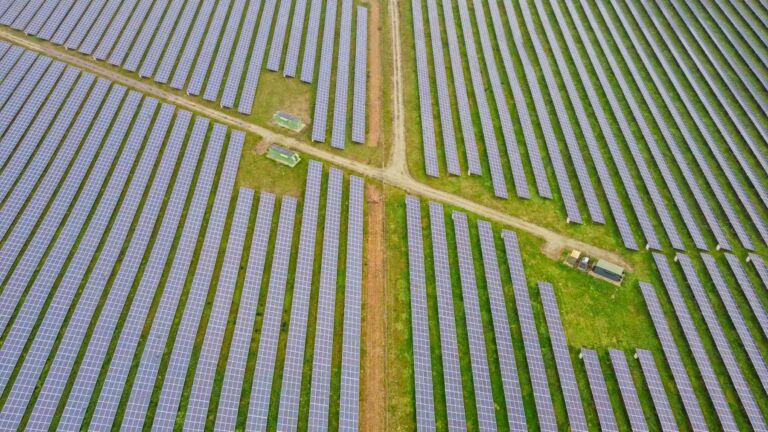
The world is starting to revolve around renewable energy solutions, such as solar power, but with Earth’s varying weather conditions and limited sun exposure, solar power is not viable 24/7. By moving the solar collectors into space, these obstacles could be overcome. Now, fans of science fiction might be intrigued to learn that floating space power stations might soon become a reality.
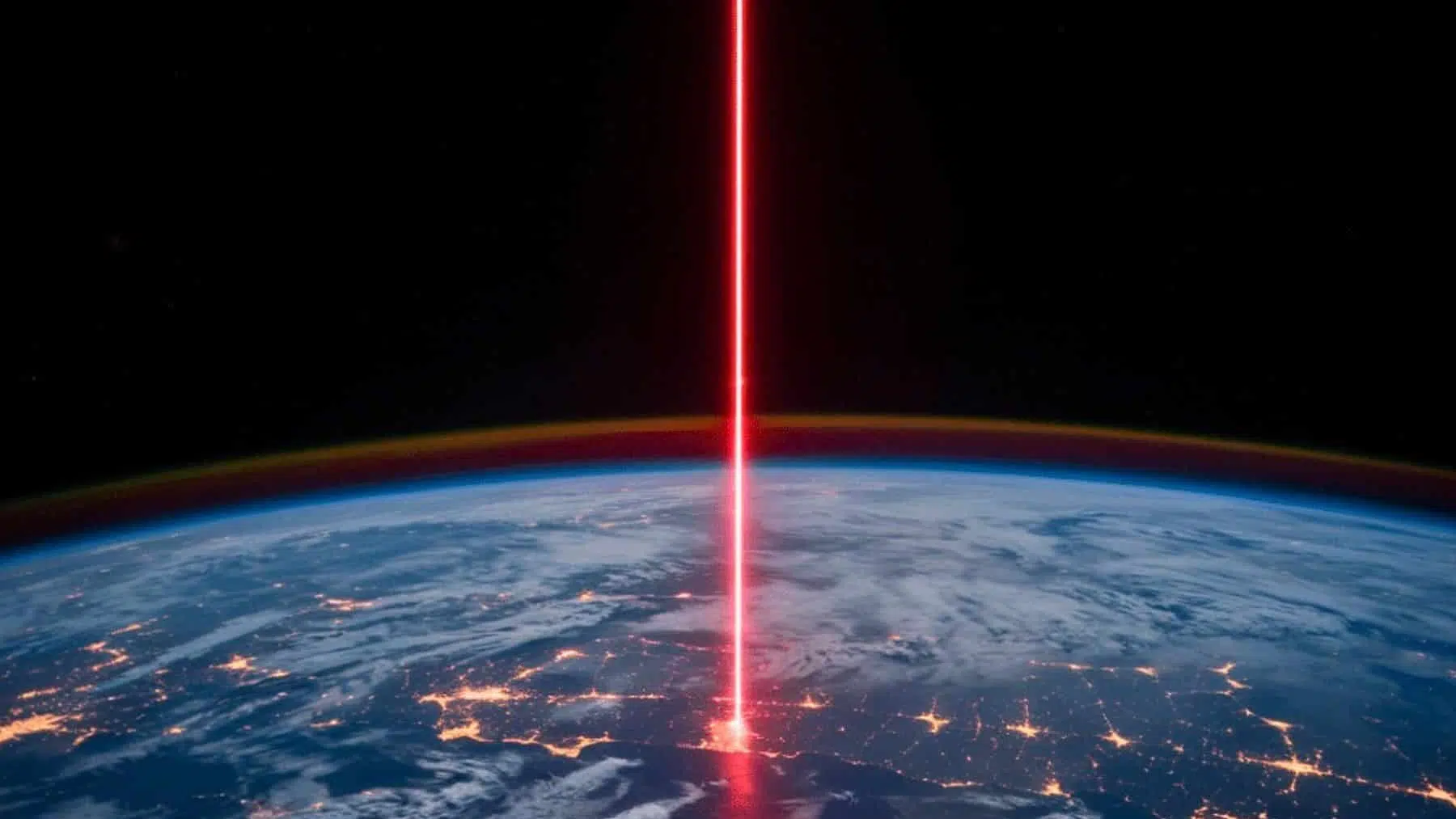
The UK-based company Space Solar, Reykjavik Energy, and Icelandic sustainability enterprise Transition Labs have partnered up to achieve what has only been science fiction since the 1970s. Their space solar power project entails beaming power to Iceland from a space-based power station. The project will launch a 30-MW demonstrator satellite by 2030, which will beam 30 megawatts of clean solar energy to Earth, which could power almost 3,000 homes.
“Space-based solar power offers unparalleled benefits with competitive energy costs and 24/7 availability. Reykjavik Energy’s recognition of the potential for space-based solar to drive the energy transition is exciting, and we’re thrilled to be working together in partnership toward a sustainable future.” – Martin Soltau, Space Solar’s co-CEO.
This is how energy will be beamed to Earth
The California Institute of Technology (Caltech) has been experimenting with orbital power beams, and Space Solar is confident that the demonstrator satellite venture will run smoothly. That satellite will be 70.5 tons (64 metric tons) in weight, approximately 1,312 feet (400 meters) in width, and will circle the planet in medium Earth orbit, at altitudes between 1,241 miles and 22,000 miles (2,000 and 36,000 kilometers).
The space-based solar panels will convert sunlight into electricity and thereafter into microwaves. These microwaves will be beamed to vast arrays of mini receivers on Earth, which will reconvert the microwaves to electricity before being transferred to the grid. Should the solar collectors be big enough, just three collectors would theoretically meet the entire Earth’s power demands.
Should the commercial venture succeed, the demonstrator may even be boosted to gigawatt capacity by 2036, according to Space Solar, which is why additional beam receiver sites are being scouted in Iceland, as well as Canada and northern Japan. To support the upgraded capacity, the partnership plans on constructing a fleet of six space power stations to supply clean energy to Earth 24/7. Experts predict that Space Solar’s space power stations could be supplying more than 15 gigawatts of energy by mid-2040.
The tallest trees catch the most wind
A venture such as this one has tremendous benefits, including:
- Supplying power is more cost-effective than nuclear power
- Space power stations are unaffected by intermittency
- Constant power supply regardless of daytime and/or weather conditions
- Highly efficient power supply
From a metaphorical point of view, an approach such as this will most certainly not be without any criticism or challenges. Engineering challenges include:
- Expanse of land needed for the receivers
- Orbiting collectors would require many square miles per area
- Extremely high launch and construction fees (pilot plant will cost $800 million per Space Solar)
- The plant would require continuous upkeep
- Independent operating technology with minimum human intervention for 30 years is required
- Advanced technology for conversion and reconversion is needed to transfer energy across more than 22,000 miles
This venture will be redefining ‘one small step for man, one giant step for mankind.’ Should the demonstrator satellite be deemed successful, renewable energy solutions will look much different by 2040.
Read the whole thing?
Get the week's signal, not the noise
Our sharpest reporting on energy, climate and nature — free, once a week.