Tesla has been working on a landmark achievement over the past few years.
The company has become one of the largest automotive manufacturers anywhere in the world. It emerged as the cornerstone of the electric vehicle sector and transformed Elon Musk into one of the richest people on the planet.
Now, a strange law is coming into effect that will impact the brand. Are you ready for the shifts about to hit the Tesla market?
How one car brand changed the automotive industry forever
The significance of Tesla’s impact on the automotive sector can not be understated.
When Musk took over as CEO, the EV market was still in its infancy. However, following a substantial investment by the head of the company, it rapidly transformed not only itself, but the entire mobility sector.
Tesla now competes with new EV manufacturers like BYD for the top spot in the ever-expanding electric vehicle market.
As the sector gains momentum and more and more people opt to leave gasoline-powered vehicles in the rear view mirror, Tesla has consistently developed new models and is innovating at an exponential rate.
What is to come next from the undisputed king of the alternatively-powered vehicles of tomorrow has shaken the industry and society at large.
No hands on the wheel, no problem at all
Tesla, along with nearly every other car manufacturer in the industry, has been working on its lineup of autonomous vehicles.
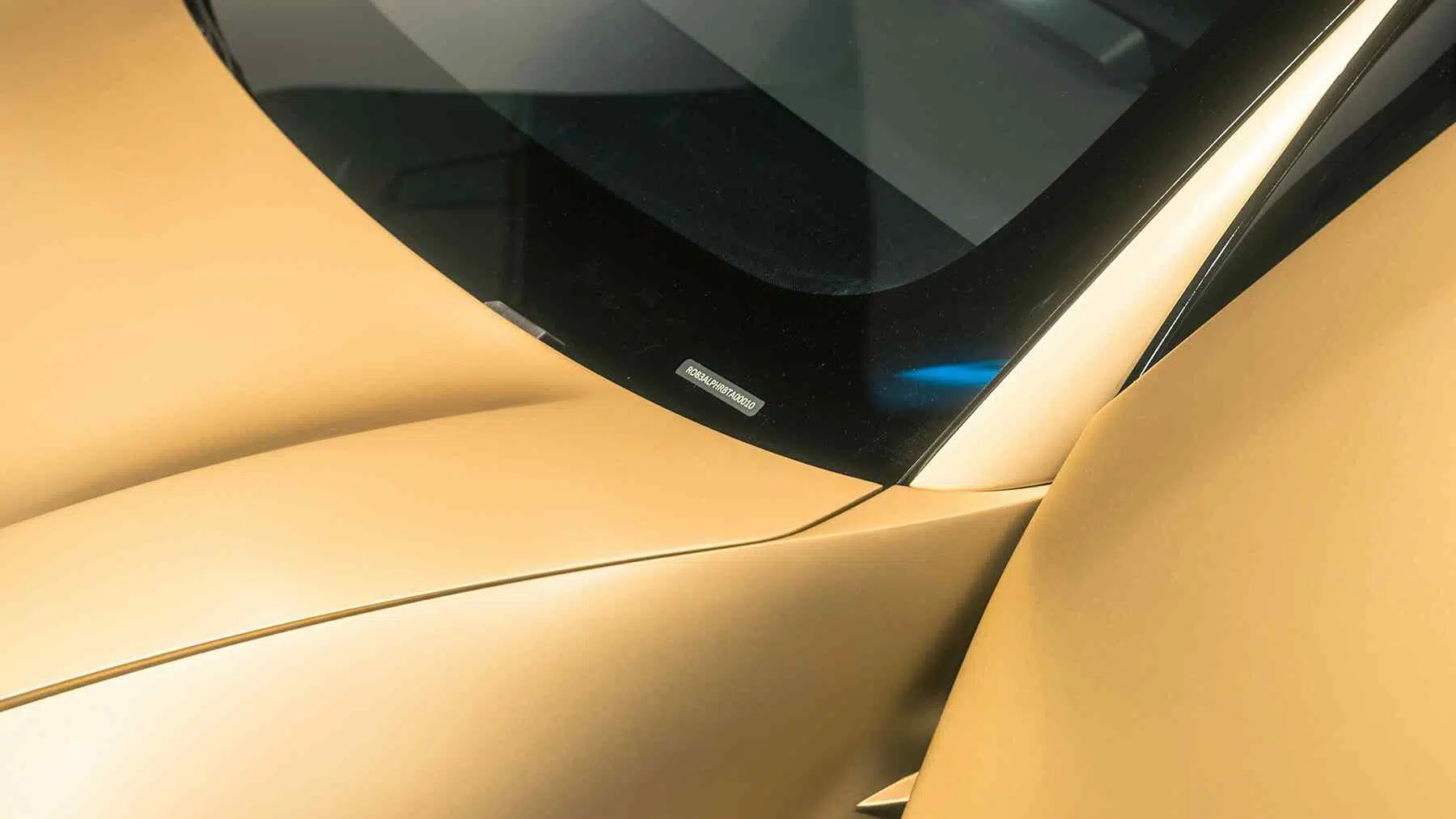
As the driverless taxis of other companies become more prevalent on the roads, Tesla has been making great strides in developing its own robotaxi. A recent revelation has seen the company rolling out the first models of the new Cybercab.
The facility in Texas has become the home of Tesla and recently saw the Cybercab slowly and silently getting closer to its rollout mark.
The historic Cybercab is a two-door vehicle that has been designed and built without a steering wheel or pedals. In fact, the model does away with the range of conventional controls that we have become accustomed to.
The specific purpose of the vehicle was to operate as a flagship robotaxi through Tesla’s ride-hailing service.
Earlier this year, Tesla began testing robotaxis with a limited number of unsupervised public rides.
However, the laws that govern the vehicles on the roads are becoming a significantly important factor in the automotive sector. And Tesla may need to navigate the treacherous regulatory waters of the government to move ahead with its plans.
Regulations have stifled Tesla’s plans for its Cybercab
Under the current federal laws in the nation, companies that manufacture vehicles without conventional steering wheels and pedals are limited to 2,500 units.
Any company, even one as large and significant as Tesla, cannot deploy more than the allotted vehicle amount. For the now iconic company, the 2,500 production cap will limit the deployment of the Cybercab to a few small fleets.
Unless Tesla can lean on the support of lawmakers to amend this limitation, its plans for the future may be in peril.
The situation may require significant changes to the laws that govern the mobility sector
Despite the situation raising a few eyebrows, Tesla has not yet confirmed how many of the newly minted Cybercabs it plans to manufacture. There are not even any definitive design plans confirmed by the company.
With Musk recently revealing Tesla’s plans for the motorcycle industry, change is imminent for one of the largest automotive manufacturers in the world.
As driverless vehicles become a more common sight on the roads of the nation, could this spell the end of the company’s plans to deploy a fleet of autonomous Cybercabs in the near future?
Disclaimer: Our coverage of events affecting companies is purely informative and descriptive. Under no circumstances does it seek to promote an opinion or create a trend, nor can it be taken as investment advice or a recommendation of any kind.
Read the whole thing?
Get the week's signal, not the noise
Our sharpest reporting on energy, climate and nature — free, once a week.