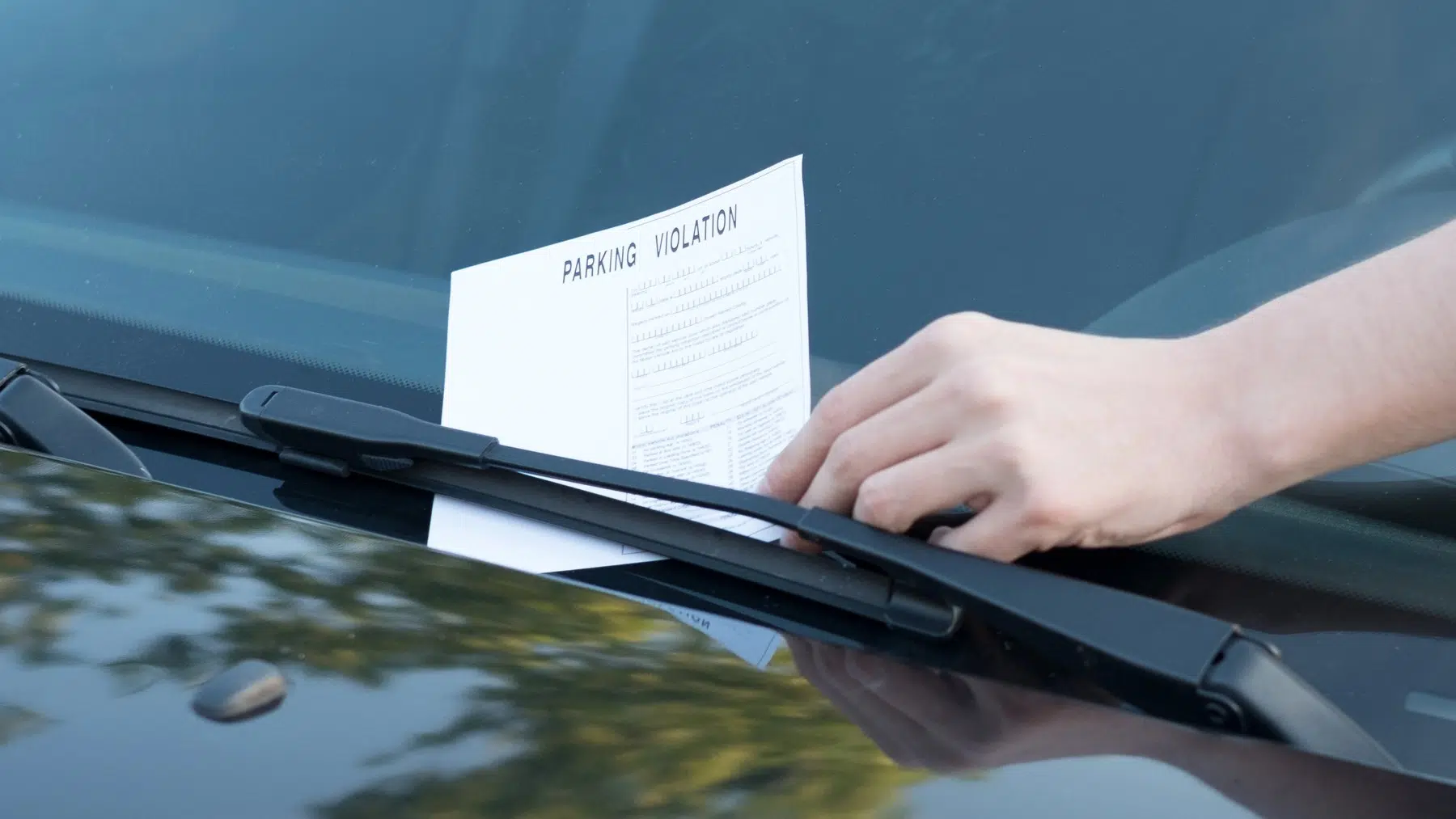
Ohio is known for several things, such as Buckeyes, Cedar Point, its Rock and Roll Hall of Fame, and the Wright brothers, to name a few. However, Ohio has also become synonymous with its high police traffic ticket quotas, making life unnecessarily difficult and unpleasant for locals and visitors alike. With many people sick and tired of the endless and unfair struggle, the news of a new House Bill bringing traffic ticket quotas to an end will bring much joy to many.
Ohio and the new House Bill against traffic ticket quotas
A two-party group of Ohio lawmakers publicly announced House Bill 131 to outlaw police and deputy quotas for traffic tickets. At present, any police chief or sheriff may legally require a daily, weekly, and/or monthly number of traffic tickets issued by law enforcement on the street. According to lawmakers, the policy is improper conduct that forces officers and deputies to be sources of revenue for cities and counties instead of focusing on other crimes.
“I had a relative who it was 10 tickets a day, if they were walking the beat it was a whole book of parking tickets a day and that went on for years.” – State Senator Tom Patton (R-Strongsville).
Per 19 News Cleveland, the legislation had been attempted several times in the past, but State Representative Bride Rose Sweeney (D-Westlake) is confident this time, thanks to the support in both the House and the Senate. The bill will prohibit quotas for evaluating, promoting, compensating, transferring, or disciplining an officer and require the Attorney General to establish a form for a police officer to utilize to anonymously report the use of quotas, inevitably prompting an investigation.
“I understand the needs of our cities but it is wrong for any city for any community to balance their books on the backs of Ohioans by issuing tickets. That is what we are stopping and it is our hope that in this general assembly that we are finally going to make this practice illegal.” – State Representative Bride Rose Sweeney (D-Westlake).
This is what the police have to say about the suggested House Bill
According to Fraternal Order of Police of Ohio president, Gary Wolske, a lot of police officers don’t want to issue tickets, but feel pressured to. Wolske supports the bipartisan bill being heard in the Ohio House because he believes the traffic ticket quotas are “a lot of pressure for the officers” and “a lot of pressure on the citizens.”
The Cleveland Police Department denied enforcing traffic or arrest quotas, stating that their primary focus is “ensuring the safety and well-being of our community, primarily in response to calls for service.” They also declined to comment on the new House Bill.
According to the Ohio State Highway Patrol, their troopers are under no quotas. Several troopers confirmed to News 5 that they have no quotas due to a few reasons, but one is that their bargaining agreement prohibits them. Per Lieutenant Nathan E. Dennis, their troopers issue about 400,000 warnings a year and have no minimum level of activity for any category.
When can Ohioans expect the new House Bill to be implemented?
While many police departments might respond by stating they do not have quota systems, each has a different way of monitoring police productivity. Nevertheless, Ohioans welcome the prospect of the new bill.
House Bill 131 in the Ohio General Assembly, has been introduced February 26, 2025, at the 136th General Assembly, and will most likely continue to be heard in the next few months.
As we anticipate the results of House Bill 131, we hope that rogue police officers at least feel compelled to stop their rogue behaviors, if not out of respect for fellow Ohioans, then at least as a precaution.
Read the whole thing?
Get the week's signal, not the noise
Our sharpest reporting on energy, climate and nature — free, once a week.