
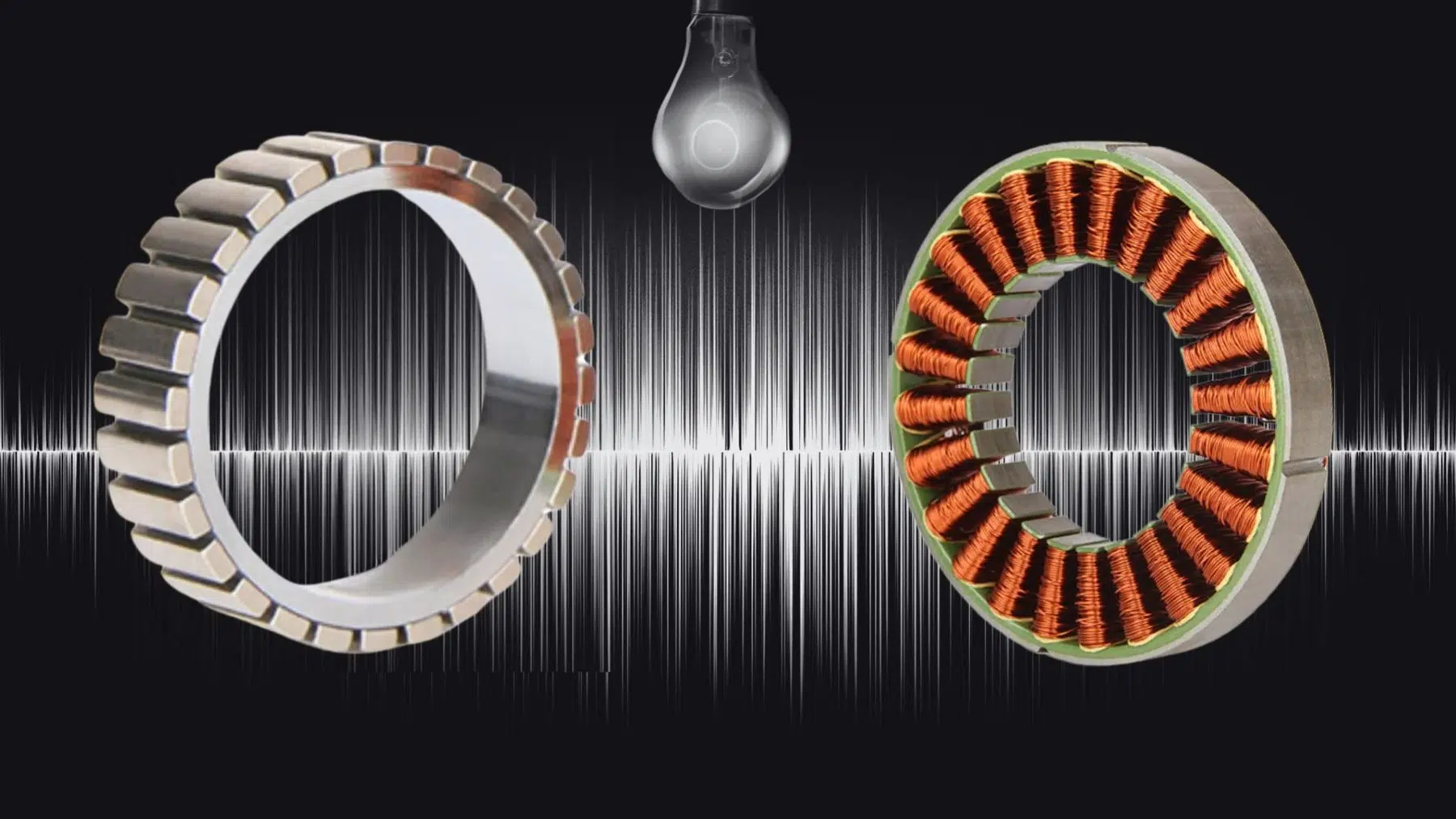
Magnets have been a source of fascination for inventors and science fiction enthusiasts for a long time, especially when it comes to cars with “no propulsion system” that simply fly around. The magnetic power has amazed generations who grew up watching cartoons and movies, but their real-world applications are very different, as they cannot be used for something like that. Even though some inventors in the past few decades have claimed to have found a solution, the laws of physics simply do not allow it.
Magnetic power discussion is back: Does it have use for propulsion systems?
For many years, things that were possible in movies were believed to work in the real world. One major thing they forgot is that the laws of physics are unbeatable. Thermodynamics do not allow things like magnets to simply generate energy out of thin air, as they are used to distributing power, and not generating it.
A recent discussion on a prominent physics forum delves into why magnetic motors do not work. Experts highlight that while magnets can exert forces, they do not do work in the traditional sense. Any movement generated by magnets typically induces currents that produce heat, leading to energy loss and eventual cessation of motion. Furthermore, the arrangement of magnets often leads to an equilibrium state, halting movement altogether. These insights underscore the fundamental challenges in creating a functional magnetic motor.
Thermodynamics 101: Magnets can’t generate net energy
All machines eventually slow down due to friction and heat. Energy cannot be created from nothing, and it can’t just disappear. This means that a magnetic engine, no matter how clever, would always stop eventually. One of the main problems is that it is extremely hard to set up magnets in a way that produces a net force to keep things moving. Even if you somehow got it to spin, the movement itself would heat the magnets and slowly weaken them. The forces simply do not work in your favor.
Magnets are great at pushing and pulling, but they do not create energy. Even a carefully arranged wheel of magnets would eventually succumb to air resistance, friction, and natural energy losses. When two magnets attract, any energy gained pulling them together is exactly spent separating them again—there is no free energy hiding there.
Despite this, these engines still capture people’s imagination. Some inventors claim they have made working models, but the reality is that these either do not work at all or rely on hidden energy sources. Chasing these ideas can cost a lot of time and money, and sometimes it’s even an attempt to mislead others.
Exploring new energy sources is crucial for our future
Exploring new energy sources is exciting, but it usually pays off more to focus on proven technologies like solar power, electric cars, or hydrogen fuel. Magnetic engines may look cool on paper, but they can distract from real progress. Many people simply do not fully understand how magnets and energy work, which is why the myths keep spreading. In short, magnets can move things and generate forces, but they cannot give you endless energy. Perpetual motion machines—magnetic or not—are still impossible. They clash with the rules of physics, and no clever arrangement of magnets can change that.
Real-world applications for magnets in particle accelerators
On the other hand, magnets have real-world applications in other areas beyond holding a note or a photo in your fridge. xLight, from Palo Alto, California, recently raised $40 million in Series B funding to develop a prototype free-electron laser (FEL) that can produce EUV light directly. The company’s approach comes from particle accelerator science. They first generate electrons and then pass them through a series of magnets called undulators, which make the electrons emit powerful, focused beams of light.
Our coverage of events affecting companies is purely informative and descriptive. Under no circumstances does it seek to promote an opinion or create a trend, nor can it be taken as investment advice or a recommendation of any kind.
Read the whole thing?
Get the week's signal, not the noise
Our sharpest reporting on energy, climate and nature — free, once a week.


