
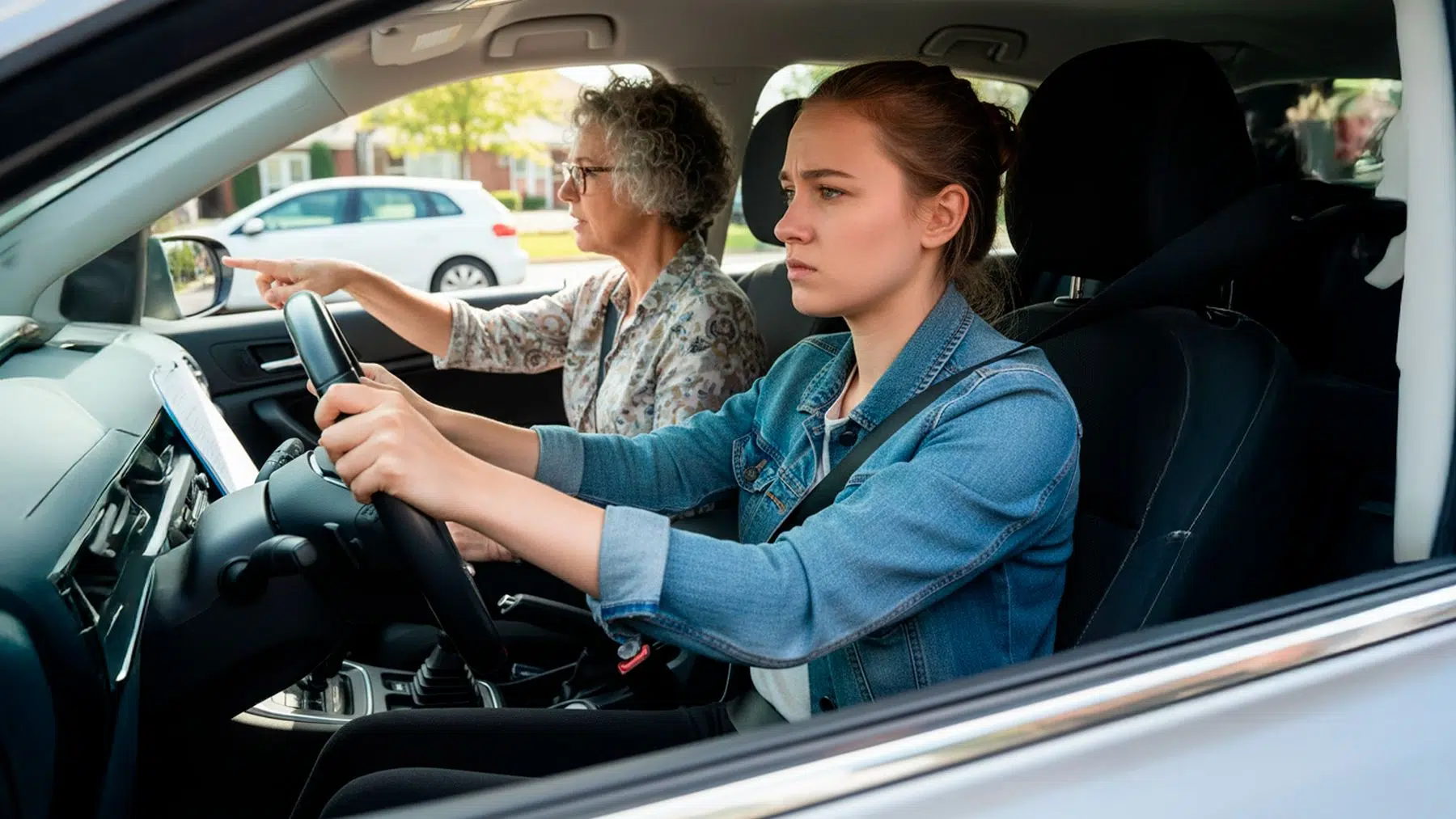
Before obtaining their driver’s license and driving in real-life situations, teenagers in Florida are now required to study the theoretical aspects of car handling to ensure they have a proper understanding. This law has been quietly implemented as states look for ways to reduce accidents, and it could significantly change the way young drivers behave once they are permitted to drive. This measure has been put in place at a time when thousands of accidents are occurring, resulting in the loss of many lives throughout the country, with teens being the ones to blame in some situations.
It won’t be the same anymore: Teens will have to study outside school too
Obtaining a driver’s license is a significant milestone for young people, but it could be very different from what parents told their kids about getting a license. What was once all about practicing a little bit, studying and understanding the signs, practice in a controlled environment will change. The new process will be more time-consuming, as states aim to produce better drivers in the future.
Florida changed the law so that, starting August 1, all teenagers who wish to apply for a learner’s permit must complete a full Driver’s Education Course. The earlier July 1 date applied to 15-year-olds under the original rollout, but the Florida Department of Highway Safety and Motor Vehicles delayed the full implementation to August 1 to give both agencies and parents more time to adjust.
New law in Florida: Older teens will have to adapt to the 15-year-old
As of August 1, teenagers in Florida who wish to obtain a learner’s permit will need to complete a six-hour Driver Education Traffic Safety (DETS) course. This replaces the shorter four-hour online class that had been required in the past. The previous Traffic Law and Substance Abuse Education (TLSAE) course – often called the drug and alcohol class – won’t count for new applicants after that date. However, anyone who finishes it before August 1 will not have to retake the training.
According to Pasco County Tax Collector Mike Fasano, the major change is that the class must now be taught live, either in a physical classroom or in a virtual session with an instructor. The goal is to move away from self-paced online lessons and ensure more structured learning.
Information is available: Look for the right sources
The deadline has already pushed some families to act early. At the Pasco County tax collector’s office in Land O’ Lakes, for example, students like Gavin Stern completed their permits ahead of the rule change. The requirement comes from Florida Senate Bill 994, introduced by Senator Jay Collins and signed into law by Governor Ron DeSantis on May 30.
While the law was originally set to begin July 1, the Florida Department of Highway Safety and Motor Vehicles delayed the rollout to August 1 to give both agencies and parents more time to adjust. Multiple changes in the DMV system in states are also happening at the same time, as new measures are being implemented to lower the number of accidents all over the country.
States are changing the way drivers act: Reckless driving caused enough problems
Reckless driving among teens claims hundreds of lives every year in the U.S. States like Delaware, Nebraska, and Alaska see the highest share of crashes caused by young drivers, with more than 17% linked to this group. Bigger states such as California, Texas, and Florida report the most deaths, mostly because of their larger populations. Other states are also trying new measures, not only to reduce accidents with teens, but also with older drivers who choose to take risks on the road – and some will even install speed limiters in infringing cars to avoid more problems.
Read the whole thing?
Get the week's signal, not the noise
Our sharpest reporting on energy, climate and nature — free, once a week.


