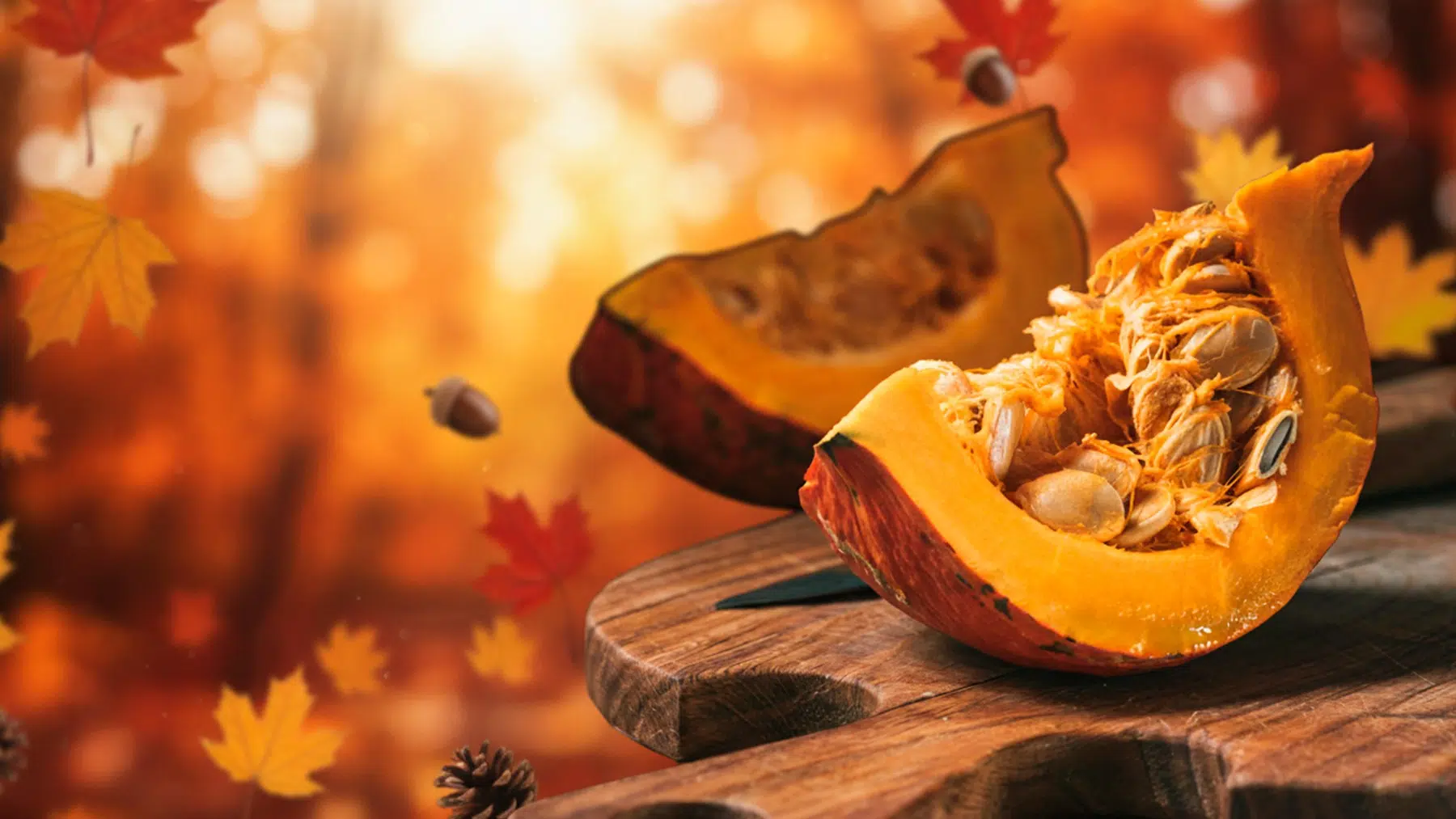
Winter is coming, but before it, you might start feeling more tired than usual. A mid-Fall drag is common; you wake up tired in the morning, cold, and your energy might not be as high. Blood circulation slows a bit, with doctors saying the weather is one thing, but so too is your diet during this season. Heavy meals make the body feel slow.
Energy slumps as Fall changes to winter
Nutrition experts say a simple orange vegetable could be a valuable addition to your diet this winter. A vegetable that is easy to find in shops and happens to be one of the best vegetables to support blood flow and provide energy to the body as temperatures get low. It is not expensive like supplements or like some other foods can be; it is a common vegetable.
It is full of carotenoids and potassium, which are great for energy and blood flow. This can help make your body warmer in the cold. This vegetable can also be enjoyed in lots of ways. It can be roasted or used in stew and soup, which is good for winter. So, what is this commonly found veg?
The simple vegetable that will boost energy and circulation this winter
You maybe would not think of it, but butternut squash is a vegetable. It is rich in beta-carotene, according to the Cleveland Clinic. Your body can convert this into vitamin A. This can help with your blood vessels, which then helps with circulation. It also helps the immune system and your skin in the dry and cold season of winter.
The butternut squash also has lots of magnesium and potassium, which are good for the body in winter. The body’s muscles and blood flow benefit greatly from these, and it helps you beat away slumps in energy after eating the meals that we tend to eat during this season. It is also good for your immune system. Nutritionists say the natural sugars of butternut squash are better than those in processed foods, which give an energy spike and then drop. Butternut squash has lots of fiber to combat that.
Why doctors say butternut squash is so good to have in the winter
Butternut squash is low in fat and supports healthy circulation, which is why it is good in winter, according to the Cleveland Clinic. It is good to have. Better circulation keeps the body warmer in the cold of winter. It is also good to keep fatigue at bay, as it helps with energy.
Verywell Health says the vitamin C and manganese in butternut squash help with collagen. Collagen is good for blood vessels and makes connective tissue strong. These nutrients help your skin and joints, which can both feel the effects of winter.
Butternut squash should be your body’s best friend this winter
Supplements are expensive, but butternut squash is not. You can use it in so many ways, from roasts to mash. If you eat this regularly during the week, it will aid circulation and all without taking expensive pills and powders. When you feel like your body is dipping in energy because of the winter, grab a butternut squash. Doctors and nutrition experts swear by the value it adds during winter.
Think twice before having a coffee or things with sugar in them. Butternut squash gives you a better fix for your energy. A simple but maybe not obvious vegetable could change your experience of winter. Your body will thank you, and you will feel more energetic in a season when energy levels drop due to the cold weather.
Disclaimer: Our articles on food and nutrition are purely informative and do not constitute medical or dietary advice. We respect the guidelines of the Food and Drug Administration and follow a responsible editorial policy. Consult a healthcare professional or dietitian and remember that no superfood is a substitute for a varied and well-balanced diet.
Read the whole thing?
Get the week's signal, not the noise
Our sharpest reporting on energy, climate and nature — free, once a week.