
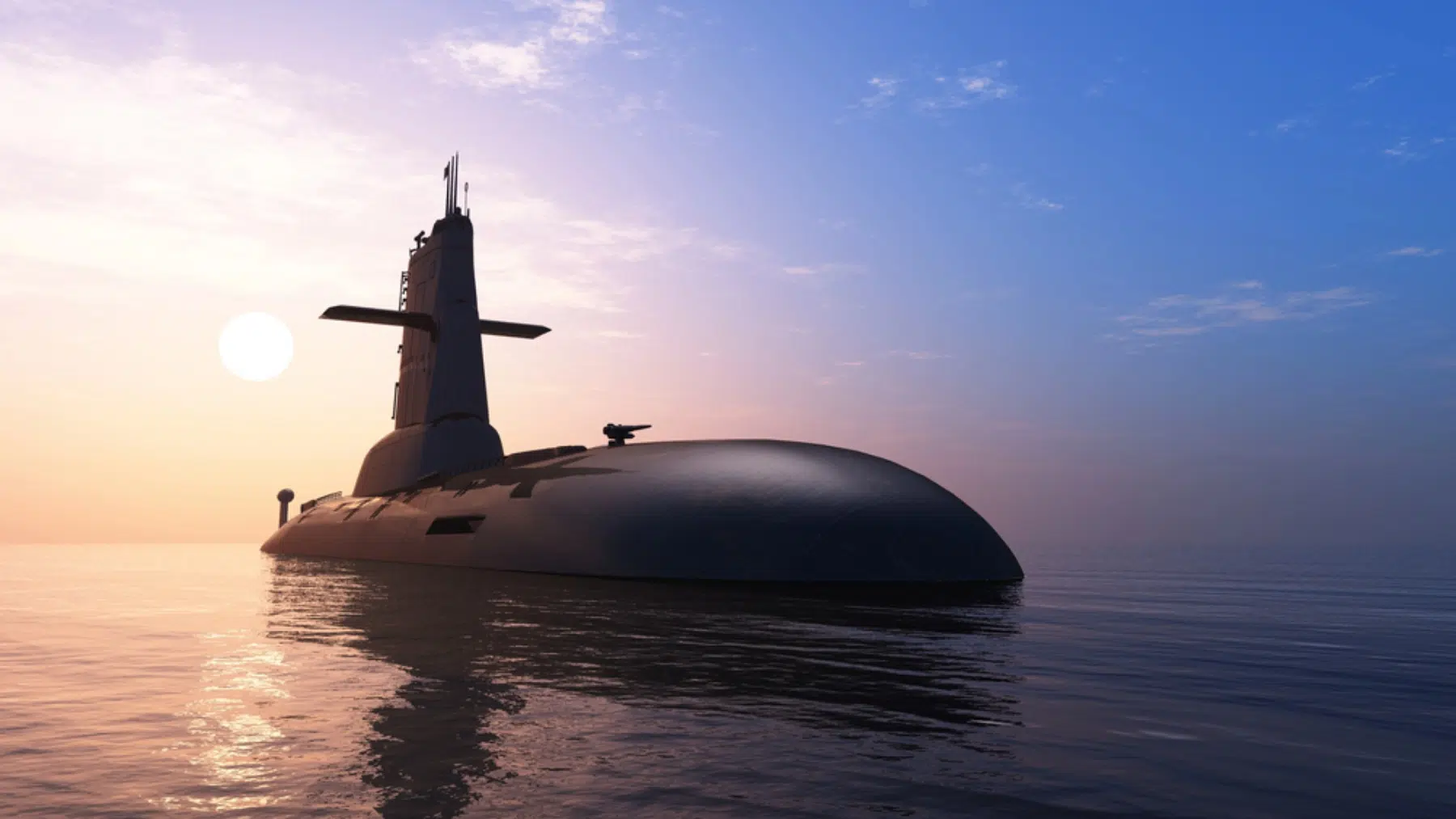
Have you ever wondered if you could actually own your own submarine and go zooming around in the watery depths like Jacques Cousteau? If you could, you’d be described as a “recreational submariner.”
The discussion around who can buy submarines was ignited by Colombian officials’ recent discoveries of two vessels that were being used for drug smuggling. One of them was big enough to carry five people and four tons of cocaine with the capacity to remain underwater for 10 days. Now, people want to know how easy it actually is to get one’s hands on a sub to deploy at will.
Is it possible to buy your own submarine for personal use?
Most submarines in the waters today are used by deep-sea research teams or they belong to military forces. The countries with the largest submarine fleets are Russia, the United States, China, North Korea, and Japan, and it’s estimated that the total number of subs owned by military forces worldwide is around 500. Research submarines account for another couple of dozen. But how many submarines in the world are privately owned, and can you get one?
The surprising answer is yes. However, you can’t just nip down to your local dealership or click online for a delivery. It’s not easy to calculate, but submarines that are commercially owned for tourism activities or privately owned likely don’t far exceed a hundred across the entire globe. There are a small number of exclusive businesses in the United States that can service you with a sub, but you’ll have to pay.
Most people with the kind of money that it takes to buy a submarine still prefer to stick to the top luxury land vehicles.
What kinds of vessels are available to the recreational submariner?
There are only a few different kinds of submarines available in a very limited market. These are your options:
Entry-level submarine at $600,000
If you’ve got $600,000 to spare and you see a sub in your future, you can pick up an entry level model, which is a basic winged submersible without a pressurized cabin. On the plus side, these subs can be launched from the beach or a ramp and are easily maneuverable. They can even do some fancy tricks like leap out the water or perform barrel rolls.
However, if underwater exploring is your passion, this is not the best option. These subs can’t go very deep and the view is limited. They also have to keep moving to remain submerged, so even if you had a good view, you couldn’t pause very long to enjoy it.
Middle-of-the-range $2 million sub
$2 million will get you a two-person submarine with a transparent dome that’s capable of diving to 1,000 feet. These have a shortcoming in that they have to be towed out to sea by yacht.
$80 million deluxe submersible
There’s a super exclusive submarine that will set you back $80 million, and it’s fair to say that these are out of the reach of almost the entire population. This model has 5,000 square feet of floor space that includes living and dining areas. It’s been reported that James Cameron, Paul Allen, and Russian oil tycoon Roman Abramovich are all recreational submariners with top-of-the-line subs.
What does it take to learn how to operate a submarine?
New recreational sub owners are put through a training course by the manufacturer that’s usually around three weeks long. Some buyers, particularly the multimillionaire or billionaire kind, choose to get their yacht captains to take the course instead.
The tricky part of operating most submersibles is drawing just enough water into the ballast tanks to achieve neutral buoyancy. This is essential so that the vessel won’t rise or drop in the water until the operator engages the thrusters. Once the sub is under water, getting it to move is pretty intuitive. A joystick shifts in four directions, and twisting it rotates the submarine. A simple switch makes the vessel rise or fall.
So the answer is yes—you can have a submarine. You can even put it in your swimming pool, if you feel inclined. But you need to have a hefty amount of cash to do it, and it’s clear that this mode of exclusive transportation or recreation is reserved for the super wealthy.
Read the whole thing?
Get the week's signal, not the noise
Our sharpest reporting on energy, climate and nature — free, once a week.


