
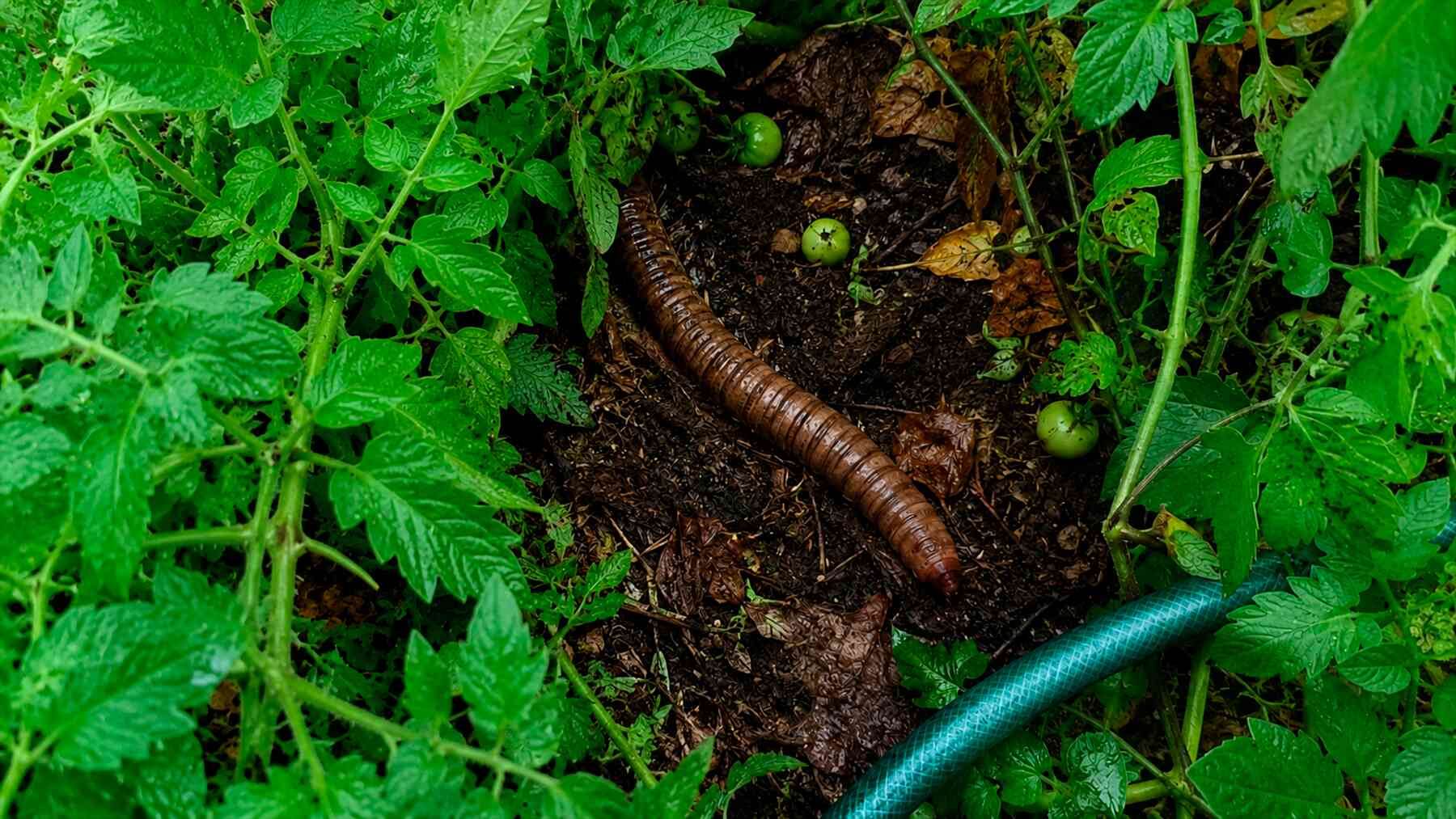
A gardener in Texas was looking at his tomato crop.
He spotted what he thought might be a worm. It looked nothing like anything he had ever seen.
It was much bigger than expected, extremely harmful, and feeding on months’ worth of plants.
What really surprised him was where the insect came from. The bug hadn’t come from anywhere close to Texas.
Researchers eventually discovered the insect had traveled much farther than anyone imagined.
Its journey began long before it reached Texas.
An agricultural invader on the move
Gardeners see many insects while growing vegetables; they are typically harmless bugs that live in small areas.
However, some species are different. They don’t have many natural predators when they enter a new area.
They immediately formed large populations.
Researchers have been studying the fall armyworm for many years because it is one of the world’s top agricultural invaders.
Extensive research has documented its incredible ability to travel across continents and adapt to new ecosystems.
In addition to being able to eat almost all types of plants, corn is its favorite food source.
Tomatoes and many other plants can also be damaged by this insect. Its broad diet has made it one of the world’s most closely watched agricultural pests.
As the fall armyworm expanded, researchers began tracking where it emerged and how quickly it spread. The results showed the invasion had become global.
For many years, the fall armyworm was primarily located in the Americas.
That changed after populations emerged in Africa. From there, the fall armyworm rapidly spread throughout large portions of Asia.
Research using genetic data confirmed that fall armyworm populations across different regions are closely linked.
Because it spread so quickly, researchers consider the fall armyworm one of the largest agricultural invasions in recent history.
The invasion reached far beyond one continent
Several factors contribute to the fall armyworm’s success. It reproduces very quickly and can consume many different types of plants.
Adult moths can also fly long distances.
Together, these characteristics allow populations to establish quickly in new areas. For farmers and gardeners, this creates the potential for a pest identified in one country to become a problem in another.
Researchers from ARS-USDA continue studying invasive agricultural pests to better understand how they spread and how they can be managed.
A study titled “Meloidogyne enterolobii, a Major Threat to Tomato Production: Current Status and Future Prospects for Its Management,” published in Frontiers, examines another invasive pest that threatens tomato production.
Because agricultural pests can migrate across continents, researchers have had to reconsider how they disperse.
This is especially important in today’s interconnected world.
To better understand that global movement, researchers first studied how the fall armyworm migrated across Africa.
They then traced its spread into Asia.
Genetic analysis enabled the team to recreate certain aspects of the migration process. It also showed links between different populations of the fall armyworm.
The journey was longer than anyone expected
The distance traveled by the fall armyworm from parts of Africa to Texas is approximately 8,600 miles.
It did not complete this journey in a single flight. Instead, multiple generations expanded their range over time.
During this time, trade, transportation, and favorable environmental conditions helped drive their spread.
One generation at a time
By the time a gardener finds fall armyworm larvae or an adult moth consuming tomatoes, the journey is already well underway. It could have begun thousands of miles away.
Scientists will continue to monitor this species due to its ability to disperse globally.
While a gardener may see it as simply an unusual worm among the foliage, researchers view it very differently.
Its offspring crossed oceans, continents, and national boundaries before reaching a gardener’s yard in Texas.
Read the whole thing?
Get the week's signal, not the noise
Our sharpest reporting on energy, climate and nature — free, once a week.




