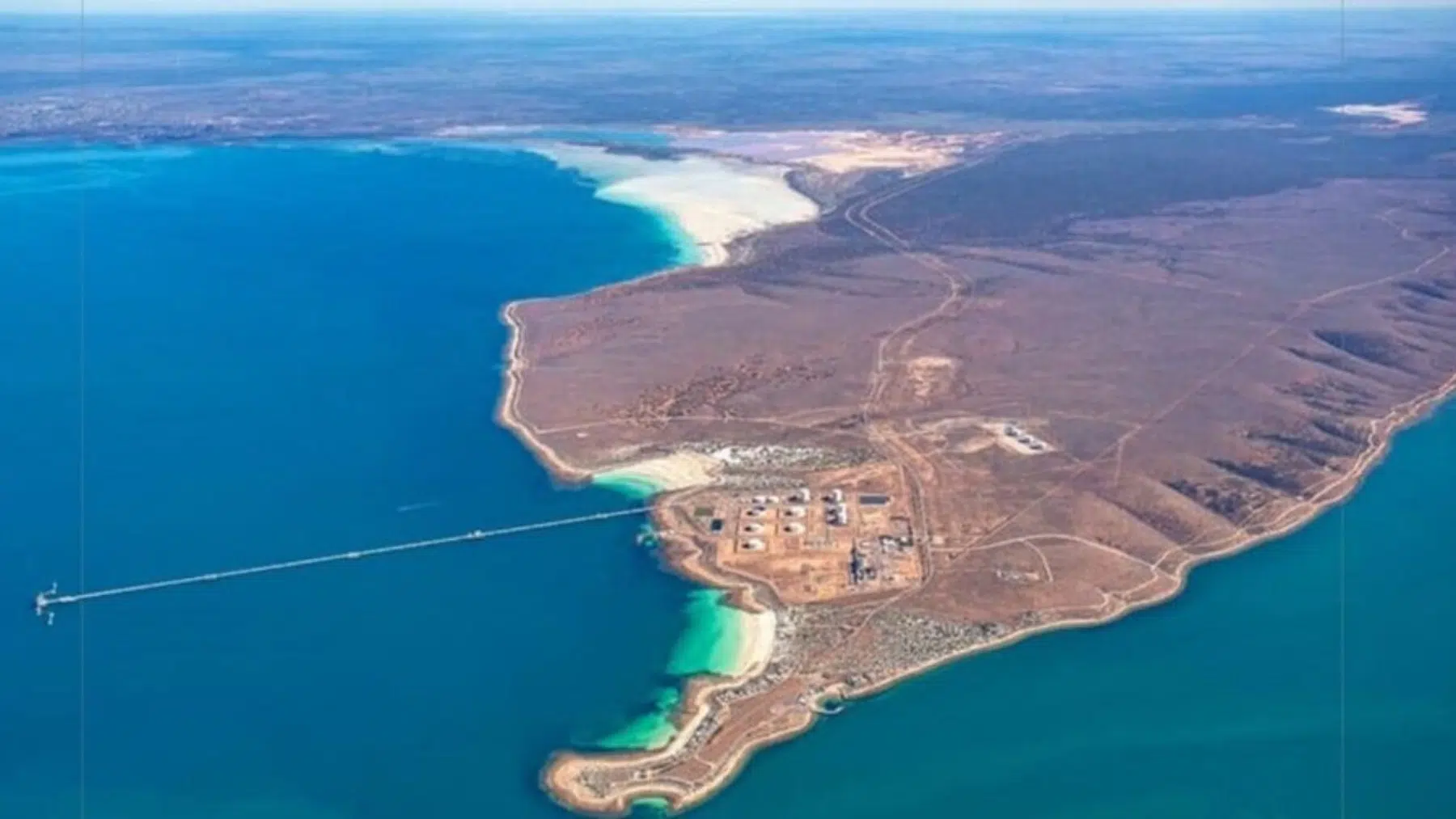
As the world is gradually making it easy for individuals and companies to go green and switch to resources such as hydrogen, that does not mean every project aligned to that is feasible and comes to fruition. Global commodities company Trafigura, which owns the Nyrstar lead smelter at Port Pirie, South Australia, had planned to build a green hydrogen plant there — an example of a project that did not come to fruition. The project was axed, with the total value of the cancelled investment standing at $750 million, because of challenges facing renewable energy investment, according to Klean Industries. While others reported that it was a sudden cut-off, the truth is that the project never came from the ground. Therefore, what really transpired?
A vision that never turned to be a reality: Reasons for the Failure of the Port Pirie Hydrogen Project
The Port Pirie Hydrogen Project was envisioned to be one of the world’s sustainable developments to stimulate economic growth and job creation for the local communities, transforming it into a hydrogen powerhouse with stable funding from the government as well. The strategy was simple and straightforward: build this hydrogen powerhouse, promote sustainability, and supply to other regions and nations.
Klean Industries reported that when the engineering team had completed the designs in 2024, with the hope that the project’s mooted 100-tonnes-a-day facility would open in 2025, developers decided to walk away from the project. Sources said the prohibitive cost of constructing the green hydrogen plant and stunted interest from buyers in the green product both played into the decision.
The decisions are quite complicated and were both a financial and logistical issue. Hydrogen is not an easy resource to deal with, from high production costs to inadequate infrastructure, and the hydrogen market was just not very responsive to foresee a return on investment.
What the headlines omitted led to fake news and miscommunication
In a world where news travels fast, it is easy to believe everything the media exposes. That is exactly what transpired with the Port Pirie project. While some sources claim that the cancellation was immediate and unexpected, the fuller picture shows a lengthy engineering and design process that concluded before the decision was made.
The concerning question is, how many other hydrogen projects are being misrepresented in public reporting?
The position of hydrogen in the present and future
Just because Port Pirie, South Australia’s hydrogen project, did not rise to its planned ambition does not mean hydrogen is not worth it. It is just evident that the clean resource has many challenges that need to be paid attention to and fixed to offer a better experience for both individuals and companies looking into implementing it as a sustainable resource in industries such as energy and automotive.
There are certain economic barriers and implications that are proving time and time again that hydrogen cannot be utilised to its fullest potential despite government investment and companies trying to venture into it. As noted, the hydrogen market is slow; therefore, if it can rise, its infrastructure needs to be fixed and somehow find a way to make it cost-effective. We are talking about a global community that will execute a good renewable resource that will benefit all sectors. Until all that is fixed, another company can fall into the trap of walking away from another $750 million investment.
Read the whole thing?
Get the week's signal, not the noise
Our sharpest reporting on energy, climate and nature — free, once a week.