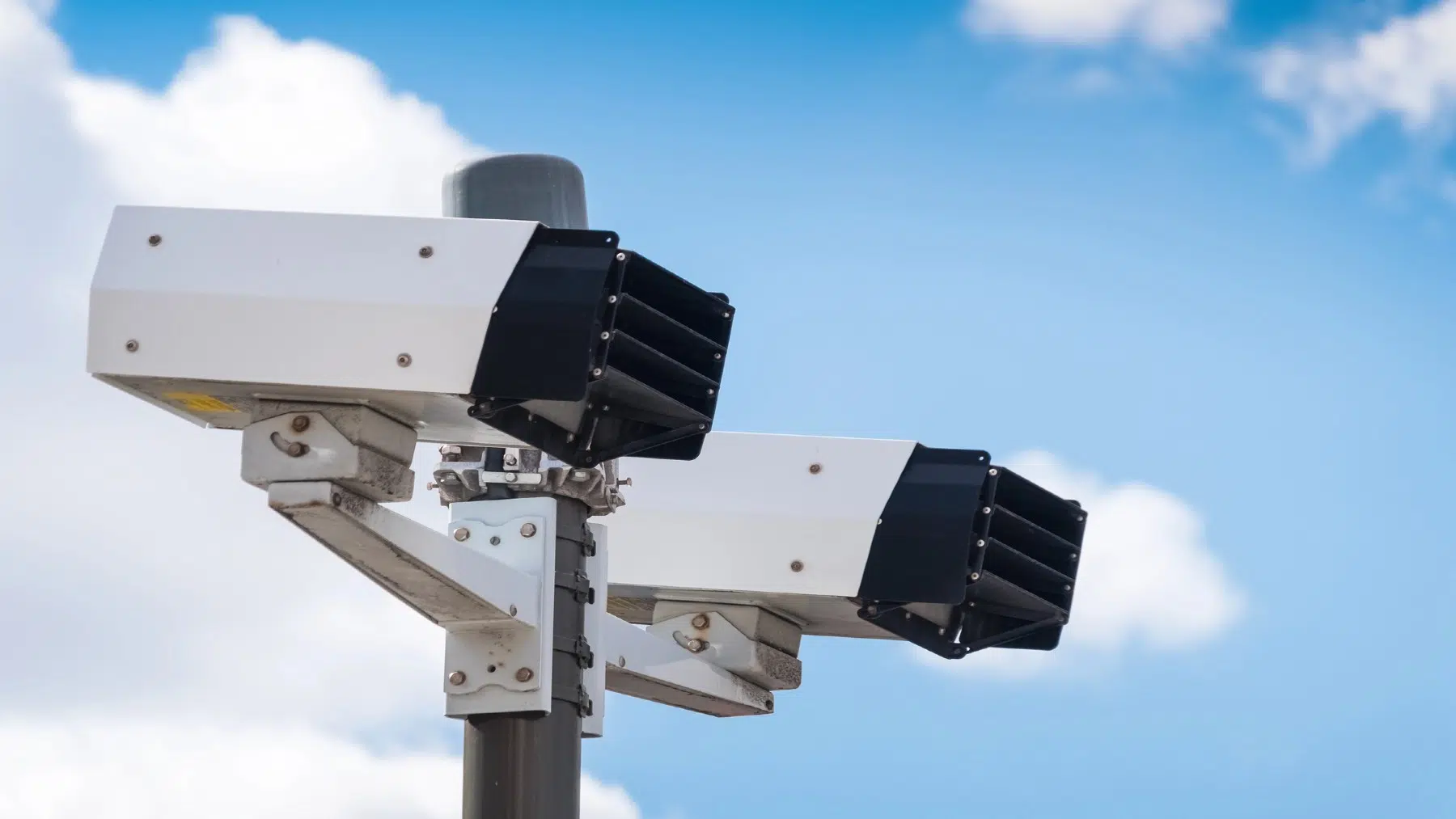
Parking rules are getting tougher across the United States. Over the past few months, several US states have been updating their traffic laws. New rules for getting a driver’s license, changes to speed limits, and updated penalties are making it important for drivers to stay informed about new bills and when they’ll take effect. In one state, lawmakers have decided to crack down even harder — this time focusing on people with too many unpaid tickets. States are implementing heavy requirements in order to make the streets a better place.
It’s getting difficult for drivers to park
Florida is one example of working on changing the drivers’ rights from the start, with new rules to apply for a driver’s license. Pennsylvania is also in the mix, and can lead to the driver losing their license. The idea came after studies showed that Pennsylvania alone has more than $28 million in unpaid parking tickets. State Representative Manuel Guzman introduced the bill, explaining that stronger enforcement can free up spaces for those who really need them. On the other hand, this state just took security via camera to a whole new level.
No more parking your car in illegal spots
Drivers who stop in bus lanes or other no‑stopping zones are about to face stricter enforcement — and this time, technology is doing the heavy lifting. Starting May 7, the Philadelphia Parking Authority will begin using AI‑powered cameras to issue tickets to drivers caught stopped or double‑parked in bus lanes and no‑stopping areas.
According to NBC affiliate WCAU, city departments worked together in April to move this measure forward. The initiative will mount cameras on SEPTA buses and trolleys to spot parking violations. The AI system flags stopped vehicles and captures an image, which is then reviewed by enforcement staff before a ticket is issued.
The new approach aims to reduce congestion caused by this type of violation and improve safety in areas where bus and trolley service operates. As stated in the official announcement, “The camera-aided bus and trolley enforcement initiative will ease commutes for working Philadelphians, while improving the performance of SEPTA’s system,” said Christopher Puchalsky, Ph.D., and Director of Policy and Strategic Initiatives, OTIS.
What’s the period for this parking enforcement to start?
A three‑week warning period is already underway. From April 16 to May 7, drivers will only receive warning notices for violations. After that, actual tickets will be issued. Fines will be $76 for violations in Center City and $51 elsewhere. The initiative will attach cameras to SEPTA buses and trolleys. These cameras can spot stopped or double‑parked vehicles, capture images, and send them to enforcement staff for review before a ticket is issued. The approach is meant to save time and resources, making it harder for drivers to block bus and trolley stops.
The goal is to reduce congestion caused by parking in restricted zones and make bus and trolley service more reliable, especially in areas where delays have been a long‑standing problem. The initiative is also expected to help people with disabilities by making bus and trolley stops more accessible.
Drivers had a 3‑week warning period
From April 16 to May 7, drivers will only receive warning notices if their vehicle is caught by the camera. After that, actual tickets will be issued, with fines of $76 in Center City and $51 in other neighborhoods. The program will launch across roughly 152 SEPTA buses and 38 trolleys.
According to city and transportation leaders, this approach will help reduce traffic caused by violations, make trips more predictable for working Philadelphians, and improve the overall performance of the SEPTA system. The enforcement builds on a pilot program conducted over roughly 70 days, during which cameras captured more than 36,000 instances of vehicles blocking bus lanes along Routes 21 and 42.
Read the whole thing?
Get the week's signal, not the noise
Our sharpest reporting on energy, climate and nature — free, once a week.