Coastal forests along the eastern United States are vanishing.
Scientists recently mapped over 10 million dead trees along the Atlantic coast.
Seawater is slowly poisoning these delicate ecosystems, leaving skeletal remains in its wake.
Researchers call these eerie landscapes “ghost forests.”
This grim transformation is our new reality. It raises a critical question that demands an immediate answer.
Why are these ancient trees dying, and what is the true cause?
How water has slowly reshaped coastal forests in the US
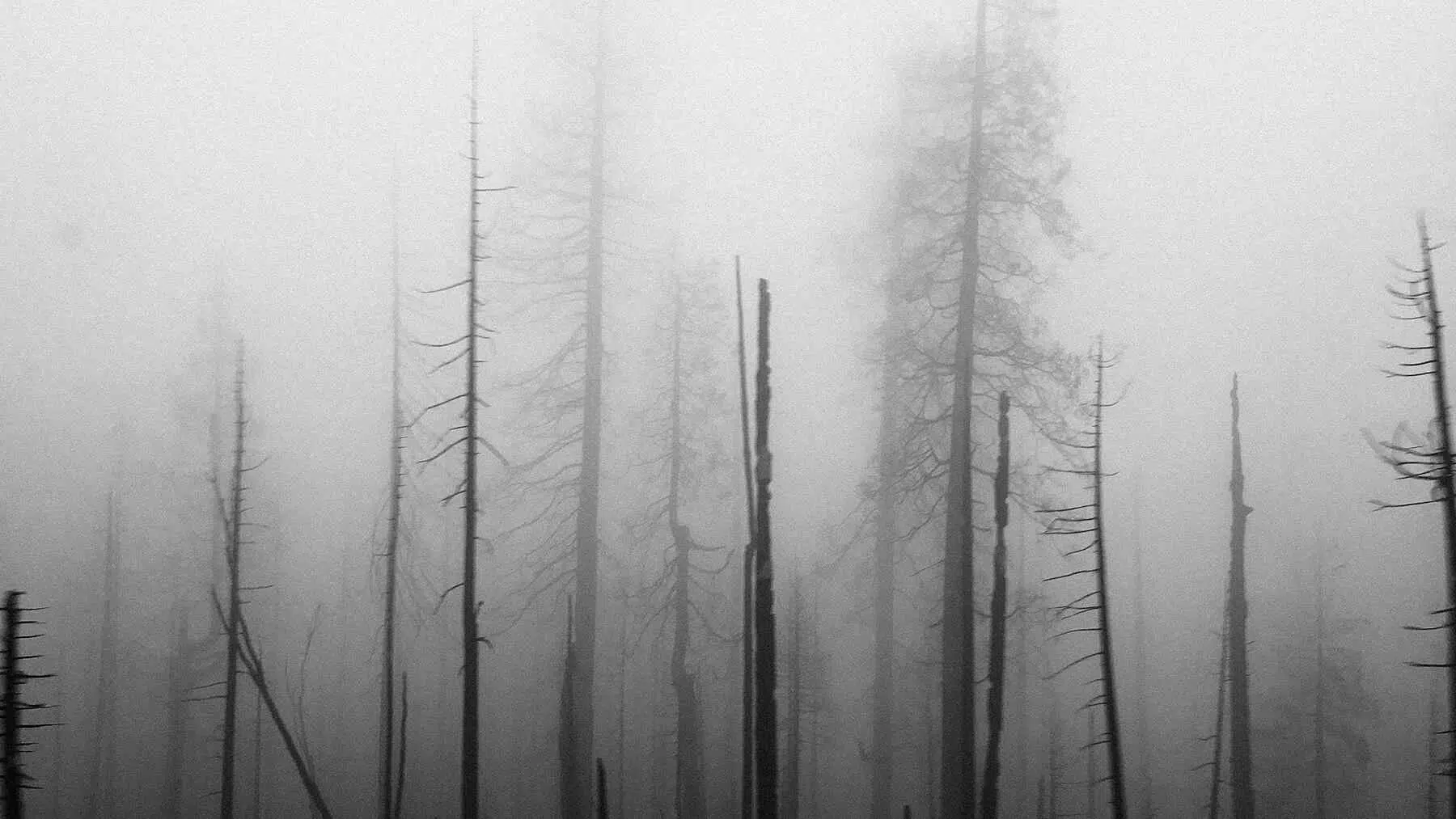
Walking through these forests feels strangely eerie and silent.
Sun-bleached trunks stand upright like skeletal remains.
Thousands of acres have become stagnant graveyards.
At first, scientists had their suspicions.
But the pattern did not match those causes.
The same dead zones appeared near coasts and wetlands.
Researchers then focused on the soil itself.
They compared forest maps with sea level data.
A pattern became clear.
These forests sit at the edge of saltwater influence.
That edge is moving inland.
This is a slow-motion invasion.
But in one that moves slowly over multiple years.
High tides reach slightly farther each time.
Storms can, at times, push seawater deeper into land.
Sea levels rise gradually but steadily over time.
Each of these events leaves salt behind in the soil, which creates a problem for the trees.
Coastal trees require fresh water to survive.
Saltwater acts as a silent toxin to their roots.
Growth slows first, leaves become thinner, and branches begin to die. Eventually, the entire tree dies but stays standing.
Why ghost forests do not simply vanish right away
One unusual feature stands out in these landscapes.
The dead trees do not fall quickly.
The forest does not collapse in a single moment.
It fades in place over time.
New seedlings struggle in salty soil.
Even after storms, recovery is weak.
The canopy thins while the roots drown.
Satellite data shows a repeating pattern. High-resolution satellites reveal a 2,000-mile “death strip.”
Ghost forests form narrow bands along coastlines.
These bands match areas exposed to rising seas.
This ecological retreat stretches from the Maine woods to South Carolina’s Lowcountry.
In some regions, saltwater has passed a tipping point.
Even when freshwater returns, soils stay affected.
Salt-tolerant plants begin to replace trees.
Grasses and shrubs spread into open spaces.
This change does not happen evenly.
Some zones transform in months. Others endure a decades-long decay.
But the direction is the same. Forest slowly becomes marshland.
The question is why?
And the answers have been found by the University of Virginia, backed by the study, “Overlooked and extensive ghost forest formation across the US Atlantic coast,” published in Nature Sustainability.
When seawater first arrived and how it changed the iconic landscape
The process did not start recently. It began a very long time ago indeed.
Some forests show stress from decades ago. Late 20th-century storms pushed seawater inland repeatedly.
At first, these floods were temporary.
Water came in and drained away. Forests recovered after each event.
But recovery became weaker over time.
Salt stayed longer in the soil after floods.
Each cycle made conditions slightly worse.
Eventually, some areas crossed a limit. Trees could no longer survive there.
Trees faced an invisible threat from rushing water
Entire groves perish simultaneously in “synchronous die-offs.”
But dead trees can remain standing for years.
Wet soil slows decay and collapse.
These forests appear intact from a distance, masking the biological collapse within.
Even though the ecosystem has already changed.
Researchers now use these forests as records of sea level rise.
Each trunk marks where the forest once survived.
That boundary is still moving today. Despite the best efforts of humanity.
Read the whole thing?
Get the week's signal, not the noise
Our sharpest reporting on energy, climate and nature — free, once a week.