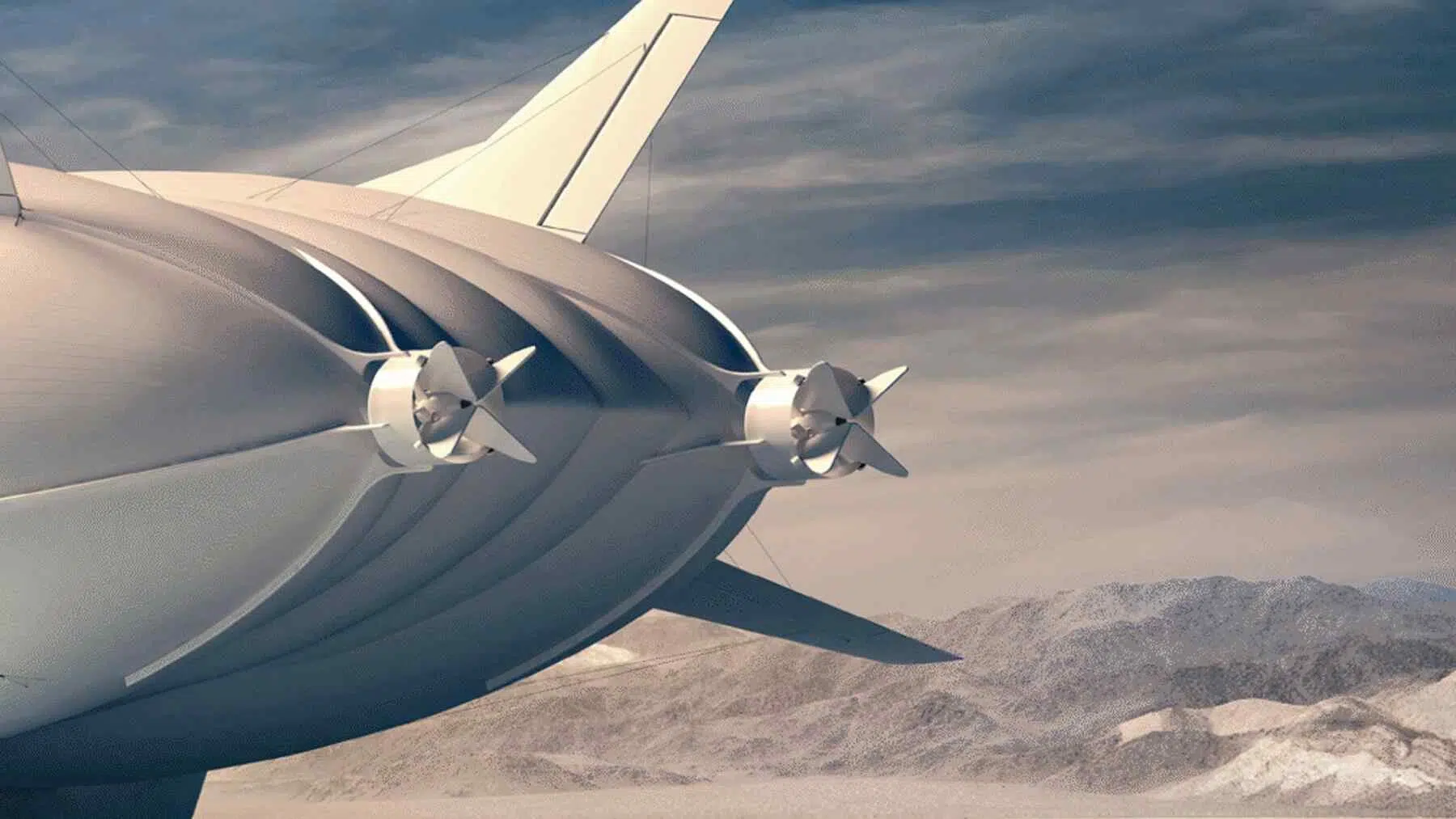
A forgotten air vehicle is making a comeback to the skies of the world.
Air travel has come a long way over the past century. More and more people opt to take a plane to get to their favorite holiday destination rather than a train or even using their own car.
But what if we told you that the circular nature of air travel evolution has led to a major comeback?
Air travel has become a plane fact of life
Over the past century, air travel has evolved from the initial basic machines that the Wright brothers created into something truly astonishing.
Developing a public transit system in the sky has become an exemplar of the advancements of our species. Air travel over significantly long distances has made the world a “smaller” place.
Trains lack the speed required to shorten travel time. Cars are simply too dangerous to use for extended periods of long-distance travel.
From the early days of the exceedingly basic designs to the more recent ground-breaking Concorde plane, innovating the way we traverse the skies has become the name of the game.
So what option do we have but to head into the skies to make our way around the world?
Evolution is a simple and undeniable process
As air travel became safer, the sector grew exponentially.
Now, travelling by plane is easily the most popular form of mass transportation. The sector has made billionaires out of its CEOs and has transformed the transportation and mobility industry for good.
At any given moment, anywhere between 10 and 12 million people are flying above our heads.
While the majority of us still see air travel as a luxury and would rather take a car for medium to long-distance travel. The reality is that without the massive machines zooming overhead, our progress as a species would have stagnated like a plane waiting to take off.
Now, a major innovation that has spent the best part of the last century lingering in the shadows is making a comeback.
As the mobility sector and aviation industry evolve, change is inevitable. Especially as the laws that govern the roads and skies change to reflect modern-day society.
As time moves forward, old tech is making a comeback as we yearn for the good old days. But the impact of forgotten forms of travel has been profound, and we suspect what’s about to land on our shores could change air travel drastically over the coming decade.
Forgotten for 100 years. Now making a triumphant comeback
The last use of a zeppelin was around 100 years ago, towards the start of World War II.
On August 20, 1939, the last of the iconic aircraft landed for the last time. Now, a new innovation that bears a resemblance to the zeppelin is making a triumphant comeback. A new hybrid aircraft is being developed by Hybrid Air Vehicles, which combines the best of the best of human mass public transport.
The craft makes use of lessons learnt from airplanes, airships, and the more recent helicopter sector to create a vehicle that is capable of transporting 100 passengers at 20,000 feet. As many of us have experienced the historically long waits at airports, the Airlander 10 could make flying that much less stressful.
The Airlander 10 offers a unique and flexible form of mass transportation that paints a more sustainable picture of aviation.
The company has noted that as the innovation develops, the aim is to drastically reduce emissions in the sky by making use of several electric engines that can sustain flight for exceedingly long periods.
Are you ready for the aviation industry to welcome the new Airlander 10 model in the future?
Disclaimer: Our coverage of events affecting companies is purely informative and descriptive. Under no circumstances does it seek to promote an opinion or create a trend, nor can it be taken as investment advice or a recommendation of any kind.
Read the whole thing?
Get the week's signal, not the noise
Our sharpest reporting on energy, climate and nature — free, once a week.