Hybrid vehicles are common in today’s world. Anyone can buy a combustion car with electric powertrain features. However, have you ever thought about an aircraft? To be able to buy an aircraft, a rigorous process is required, as not everyone can simply go to the store or order online, like some car manufacturers permit. Vehicles are becoming increasingly technological as the years go by, and just like you can buy a car within a couple of clicks on your phone, now you will be able to control a flying vehicle.
Are remote aircraft the future of transportation?
Remote control is not a new concept, as toys, drones, military equipment, and satellites are all controlled remotely, especially when the need is to avoid exposure, such as in military missions or space exploration, since scientists don’t have the necessary technology to travel across the cosmos. Food delivery is also in this mix, as a couple of deliveries are made using drones in China.
This same concept of remote operation is now being scaled up to full-sized aircraft. The transition from drones and delivery tech to personal flying vehicles shows a new phase in transportation. Advances in autonomy, propulsion systems, and lightweight materials are making it possible for individuals to control or even automate flight without relying on traditional aviation infrastructure.
AltoVolo unveils new aircraft for personal air travel
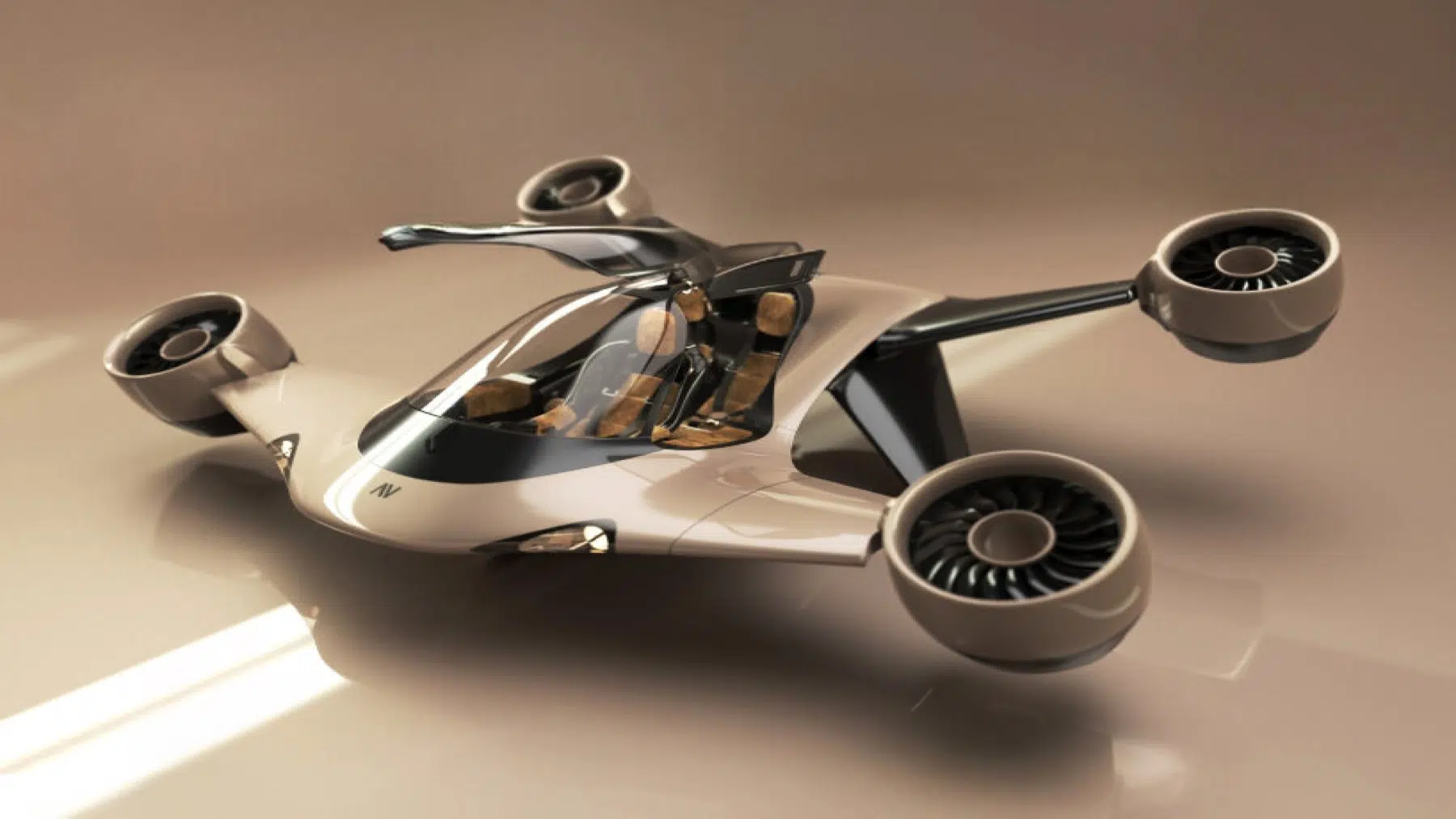
AltoVolo has just revealed Sigma, a hybrid personal eVTOL designed to take off and land right from your home – no need for vertiports or terminals. The startup built it with point-to-point travel in mind, so owners can use driveways, rooftops, or even yachts as landing spots. Another standout feature is its unique tilting electric jet propulsion system, which is still patent-pending, combining the quick power of batteries for takeoff and landing with liquid fuel for longer flights.
Sigma can continue flying steadily even if one of its jet units fails, and if things get really bad, a ballistic parachute kicks in to bring it down safely. The aircraft measures approximately 4.8 meters wide and weighs just under a ton at 980 kilograms. The cabin fits three passengers, making it suitable for both short city trips and longer intercity travel. AltoVolo plans to have Sigma in the air by 2025.
Sigma cruises at about 220 miles per hour and can cover up to 510 miles using a combination of fuel and electric power. Thanks to its hybrid setup and tilting jets, it is also whisper-quiet, producing 80% less noise than traditional helicopters.
The focus is on making the aircraft as practical as possible for use by the public
Currently, AltoVolo is focused on making Sigma a practical option for personal point-to-point travel. The design has been checked and validated by aerospace expert Dr. Richard E. Brown. The team uses state-of-the-art simulation software from Ansys – the same tools used in Formula 1 – to perfect the engineering. They have already flown a scale prototype, and the next step is building a full-size model, which will feature autonomous flight systems from Embention.
Performance-wise, Sigma can hover for 15 minutes and carry up to 270 kilograms. Its top speed can reach 290 miles per hour, with a total range of up to 510 miles thanks to the hybrid powertrain. When flying purely on electric power, it can cover about 260 miles. Sigma can fly as high as 10,000 feet (approximately 3,050 meters). Safety features include a ballistic parachute that can deploy as low as 50 feet, thrust vectoring for stable flight, and a triple-redundant control system to ensure reliability. With these features, AltoVolo aims to launch Sigma by 2025, moving personal eVTOL travel closer to reality.
Our coverage of events affecting companies is purely informative and descriptive. Under no circumstances does it seek to promote an opinion or create a trend, nor can it be taken as investment advice or a recommendation of any kind.
Read the whole thing?
Get the week's signal, not the noise
Our sharpest reporting on energy, climate and nature — free, once a week.