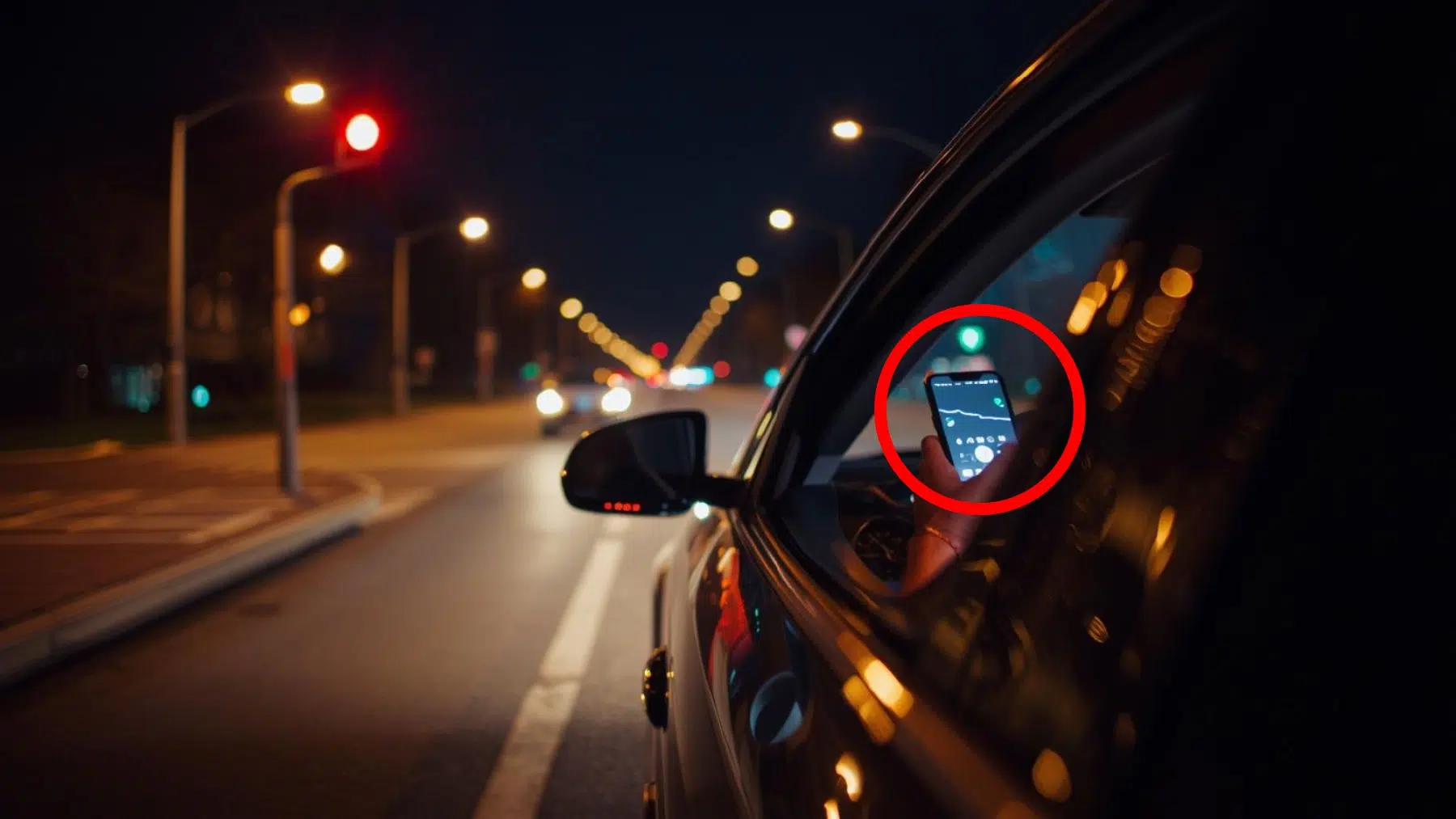
The car is stopped. The light is red. Nothing is happening. For a few quiet seconds, most drivers do the same small thing without even thinking about it. It feels normal and harmless. But in one U.S. state, that familiar moment behind the wheel can now cost up to $500 — even though the car isn’t moving at all.
Why driving rules keep changing
Roads are not what they were ten or twenty years ago. Cars are smarter, traffic is heavier, and phones have become constant companions. As a result, driving laws are being updated more frequently than ever — especially at the state level.
While nationwide changes are rare, individual states regularly adjust their rules based on local accident data and safety concerns. Keeping track of these updates isn’t just helpful — it’s part of a driver’s responsibility. Missing a change can mean fines, points on your license, or worse.
Recent years have already brought major updates, from new license standards to the federal REAL ID requirement. And states continue to introduce their own rules that drivers are expected to follow, whether they notice them or not.
New ‘hands-free’ law to take effect this month
Distracted driving is one of the biggest concerns of traffic authorities, particularly when it is the result of phone usage by drivers while behind the wheel. To address this, Iowa’s new ‘hand-free’ legislation will go into full effect this month, whereby drivers will be prohibited from using or holding an electronic device in their hands while driving, not even for GPS, and at stoplights.
“Iowa’s new hands-free law marks a pivotal moment in our fight against distracted driving; it’s an unprecedented opportunity to fundamentally change driver behavior,” says Brett Tjepkes with the GTSB in a statement last year. “By embracing this change, we can drastically reduce fatalities and serious injuries on our roads, making Iowa safer for everyone.”
While the bill was signed into law in July, 2025, the Iowa Department of Public Safety announced an initial warning period for the remainder of the year. However, from this month, if caught with an electronic device in your hand while driving, you will be convicted.
A small change that forces a big habit shift
For many drivers, this law doesn’t require learning something new — it requires unlearning something familiar. The instinct to grab a phone, even for a second, is now exactly what the law targets.
Officials say the choice is simple: stay offline while driving, or pay the price. And beyond fines, the message is about responsibility. Every driver shares the road, and every decision behind the wheel affects others.
Sometimes, making roads safer isn’t about new technology or better cars — it’s about finally letting go of the phone.
Read the whole thing?
Get the week's signal, not the noise
Our sharpest reporting on energy, climate and nature — free, once a week.