
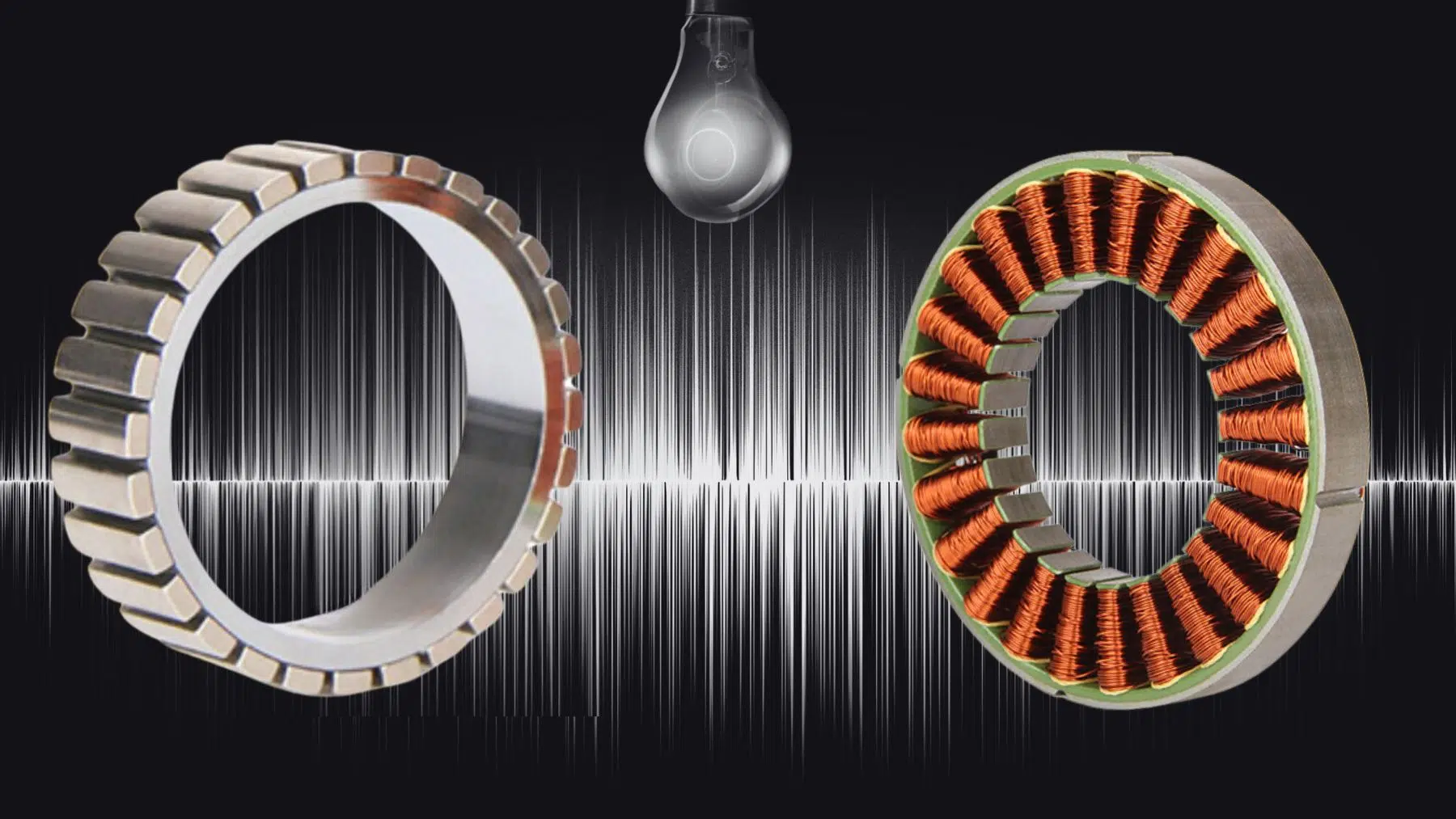
Inventors and fans have long been captivated by the concept of a magnetic engine, which uses magnets to create perpetual motion and power a vehicle without the need for fuel. Nevertheless, it is still physically impossible despite innumerable attempts. This information dissects the theory underlying the limits of perpetual motion and investigates the fundamental flaws in magnetic engines.
The allure of machines that move all the time
Magnetic engines and other perpetual motion devices promise endless energy without using fuel. The theory behind the concept is that magnets can keep a motor running eternally because of their continuous force. Anyone who wants to eliminate fossil fuels and transform transportation will find this idea appealing. Regretfully, perpetual motion violates the first and second laws of thermodynamics in particular.
The scientific unfeasibility of magnetic engines
All systems lose energy as a result of friction or heat, and energy cannot be created or destroyed. Any magnetic engine would therefore finally stop. The first suspicion is that it is hard or impossible to create a configuration that generates a net torque. The second is that even if a net torque is generated, the motor would slow down because the spinning magnets will demagnetise them and produce heat.
The other notion is that the spinning of this wheel of magnets will create currents that produce heat and demagnetise the magnets, which will unavoidably slow down your wheel even if you can find a configuration that produces a net torque. The way magnets function is the main source of the problem. Although they are unable to produce net energy, magnets can produce forces through their fields.
A complex configuration of magnets would be necessary for a magnetic motor to continue moving, but friction, air resistance, and systemic energy loss would unavoidably cause it to cease. Additionally, scientists have noted that a magnetic system has balanced forces. There is no net energy gain when two magnets are attracted to each other since they repel each other with equal force.
The risks of false information and pseudoscience
Due in part to disinformation and pseudoscience, the concept of magnetic engines is still in use. Although many inventors claim to have constructed functional prototypes, these devices either don’t operate or require secret energy sources. For those looking for a scientific breakthrough, this results in time and money being wasted. For their benefit, they can also be attempting to deceive others.
Investigating alternate energy sources is important, but it is more fruitful to concentrate on practical and tested technologies like solar energy, hydrogen, and electric cars. The ongoing search for magnetic engines runs the risk of overshadowing respectable advancements in renewable energy. Because they don’t grasp the fundamentals of energy conversion and magnetism, some persons might claim to have created a functional magnetic motor.
Additional information about magnetic motors
According to the rules of thermodynamics, energy can only be moved or transformed; it cannot be created or destroyed. Conventional magnetic motors transform electrical energy into motion by consuming an external power source. Since they are not producing energy out of nothing, they do not contravene the rules of thermodynamics. If you’re also wondering about perpetual motion machines, the answer is no—magnets cannot be used to create such machines.
It has been established that perpetual motion machines are impossible to build and defy the laws of thermodynamics. The Second Law also plays a role: heat energy inevitably dissipates into the surroundings rather than returning to the system, meaning all usable energy is eventually lost. A magnetic engine as a perpetual motion device is an intriguing idea that symbolises humanity’s pursuit of limitless energy. Nevertheless, it is a dream that directly clashes with the inviolable principles of science. Magnetic or otherwise, perpetual motion devices are still unattainable due to the inherent loss and inefficiency of energy systems.
Read the whole thing?
Get the week's signal, not the noise
Our sharpest reporting on energy, climate and nature — free, once a week.


