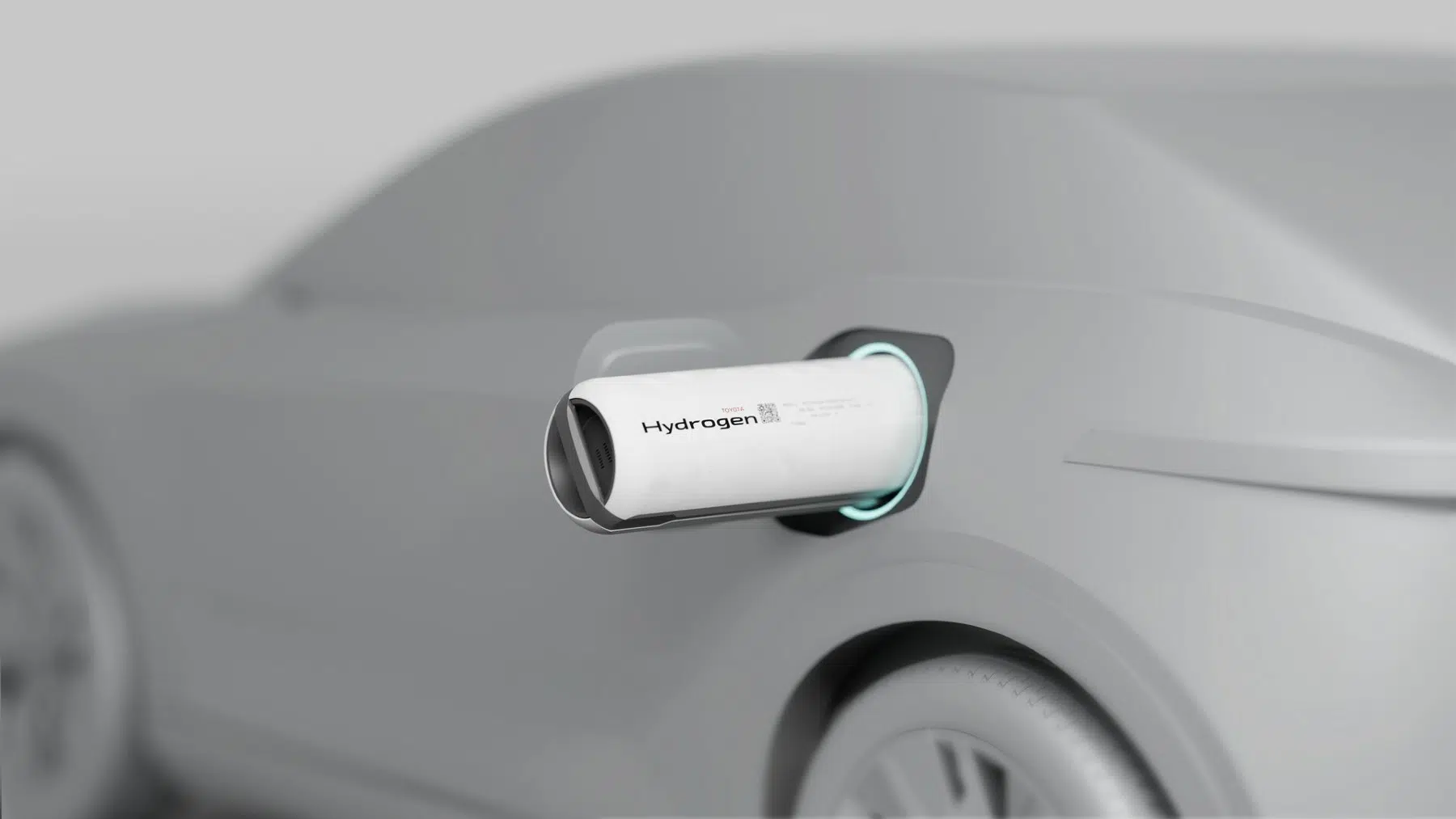
Hydrogen has long carried the reputation of being the fuel of the future. From the early days of fuel-cell car prototypes to large-scale government initiatives, efforts to establish hydrogen as a pillar of clean energy have stretched on for decades. But despite billions poured into development, progress has been slow, infrastructure remains limited, and the so-called “hydrogen era” has yet to fully deliver on its promise. For most drivers, the technology needed to run an engine on “water” is still far from practical—but in the world of racing, the story is beginning to look different.
The demand for cleaner fuel sources is bigger than ever
The push for a renewable, high-performance fuel is colliding with a global competition to find workable alternatives. As countries grapple with the effects of climate change and strive to cut back on oil dependency, industries are searching for the next power source that can match hydrogen’s strengths without its limitations. The pressure is mounting: unless scalable solutions arrive soon, the clean energy transition could falter under the burden of high costs and logistical challenges.
Within this environment, a new approach has started to gain attention. Originating in Japan, it relies on liquid hydrogen engineered for easier storage and transport, designed to integrate into existing infrastructure where gaseous hydrogen has fallen short. Early tests suggest it could combine efficiency with practicality—preparing the way for what some see as the beginning of a different kind of energy revolution.
Toyota’s push on the hydrogen front: new format for performance cars
Toyota continues to push forward in both motorsport and technology, partnering with others to drive progress toward carbon neutrality. Part of that effort involves a strong focus on liquid hydrogen. Compared to gaseous hydrogen, liquid hydrogen offers higher storage density, meaning more fuel can be carried within the same tank size. The drawback, however, is the issue of boil-off, where heat naturally entering the tank causes evaporation. In earlier systems, this vaporized hydrogen was simply vented into the air without being utilized.
The hydrogen pump’s high pressure placed uneven stress on the bearings supporting the crankshaft and gears, which accelerated wear. To solve this, engineers introduced a dual-drive crank setup. By applying motor torque to both ends of the crank, the piston movement became more stable, significantly boosting durability. The design of the liquid hydrogen tank was also updated. Unlike the typical cylindrical structure used for high-pressure gaseous hydrogen, the new oval form improves space efficiency inside the vehicle. Because liquid hydrogen functions at lower pressure, more customized tank designs can be applied.
The evolution of the fuel in three years: 2025 is the best so far
During the final round of the Fuji race in 2023, CO₂ absorption and separation had to be switched manually by mechanics. For this year’s race, an automated system was added, using a rotating CO₂ absorption filter to manage the process while driving. The objective for this year was to complete the full 24 hours with a more reliable vehicle and liquid hydrogen system, while collecting data to support future development. In 2025, the car recorded its best performance yet, covering 468 laps—about 2,135 kilometers.
The goal is achieved carbon neutrality: everyone is in this together
Carbon neutrality remains a big deal for the automotive industry. Toyota’s approach is to pursue multiple pathways, improving engines and hybrid systems that can adapt to various formats of power source, and offering customers a range of solutions to reduce emissions worldwide. Honda has also stepped up its efforts, having previously left Formula 1 before returning to the series, with emissions-reduction projects still ongoing as major Japanese manufacturers develop high-performance engines — like this one from Honda.
Our coverage of events affecting companies is purely informative and descriptive. Under no circumstances does it seek to promote an opinion or create a trend, nor can it be taken as investment advice or a recommendation of any kind
Read the whole thing?
Get the week's signal, not the noise
Our sharpest reporting on energy, climate and nature — free, once a week.