It has been over two centuries since the invention of the world’s first ever Voltaic Pile by Alessandro Volta. We have come a long way since then, with electrochemical energy storage having been enhanced numerous times and seeing a number of power sources. Now, a new living-battery breakthrough has stunned scientists all around the world, offering a promising sustainable alternative to conventional power sources.
The new living-battery breakthrough
A tremendous breakthrough has been made in electrochemical energy storage, as Chinese researchers from the Shenzhen Institutes of Advanced Technology of the Chinese Academy of Sciences have engineered a living battery by utilizing electroactive microorganisms.
According to Interesting Engineering, this portable, small living battery allows exact guidance over bioelectrical stimulation and physiological blood pressure signals. The researchers published their findings in Advanced Materials, which indicated the use of living hydrogels comprising conductive biofilms. These biofilms are enclosed in an alginate matrix, which allows nerve stimulation.
Its results will go down in history
Per the researchers, their bio-cell can produce electricity due to the bacteria’s metabolic activity and enables itself with a self-charging capacity of up to ten cycles. What’s more, this bio-cell can also function as a pseudo-battery for charge/discharge cycles. It indicated a coulombic efficiency of more than 99.5% over 50 cycles, meaning it had significantly decreased energy losses.
During the entire process, the living battery’s bacteria maintained a high viability of more than 70%, and at the end of operation, its viability was 97.6%. These numbers highlight the robustness of this discovery, and its contribution as a more sustainable energy conversion and storage application is equally significant.
Living batteries are slowly but surely marking their territory as a sustainable power supply option. These living batteries are a clean alternative to using critical raw materials such as cobalt and lithium, as well as environmentally hazardous components such as manganese and organic electrolytes.
The creation of the living powerhouse
The Chinese researchers engineered the living hydrogel into a typical 2032 battery shell and successfully invented the battery with self-charging capabilities. The hydrogels can be 3D printed into custom shapes and maintained biologically active features, such as:
- Electroactivity to facilitate electron production
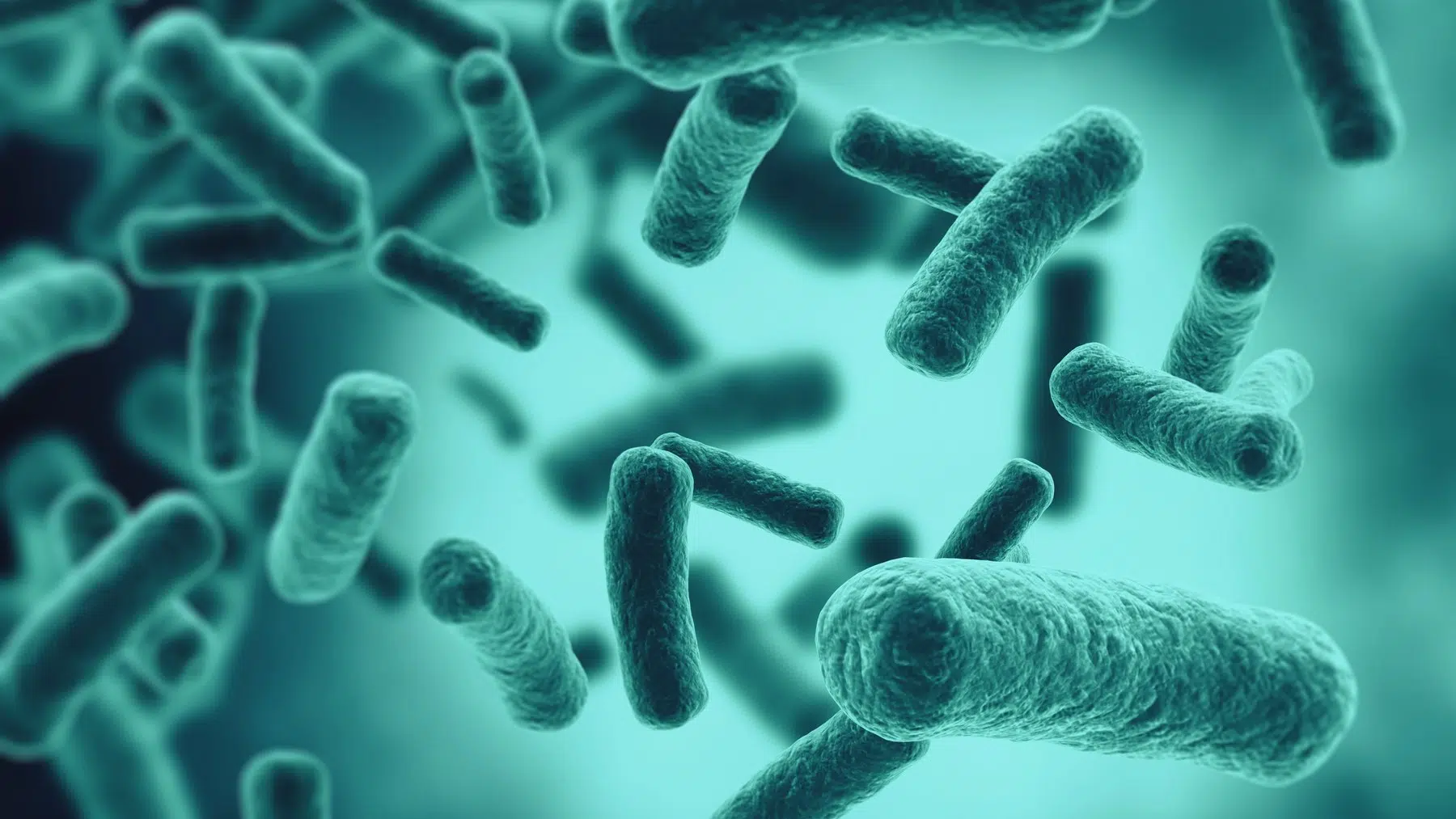
Their inspiration? None other than the lithium-ion battery. This small living battery, which is 20 mm in diameter and 3.2 mm in height, simply replaces the bio-anode ink with the living hydrogel, the cathode ink with a K3[Fe(CN)6]-containing alginate hydrogel, and the ion exchange membrane with a Nafion membrane. Inside the alginate hydrogels are Shewanella oneidensis MR-1 biofilms, resulting in a living effect.
Potential applications
According to the researchers, these bio-cells can be utilized for nerve stimulation, allowing exact control over:
- Physiological blood pressure signals
- Bioelectrical stimulation
This exact control is promising for the development of unique physical therapy approaches. It also supports portable bio-energy devices, which will be useful for future renewable energy technologies.
This breakthrough will go down in history. We may be far from implementing the use of living batteries into our daily lives, but as the researchers continue to develop the bio-cell, its future applications could be endless. It is certainly a feasible alternative to relying on critical raw materials from the deep-sea nodules. Only time will tell when mankind will be ready for this new technology.
Disclaimer: Our coverage of events affecting companies is purely informative and descriptive. Under no circumstances does it seek to promote an opinion or create a trend, nor can it be taken as investment advice or a recommendation of any kind.
Read the whole thing?
Get the week's signal, not the noise
Our sharpest reporting on energy, climate and nature — free, once a week.