
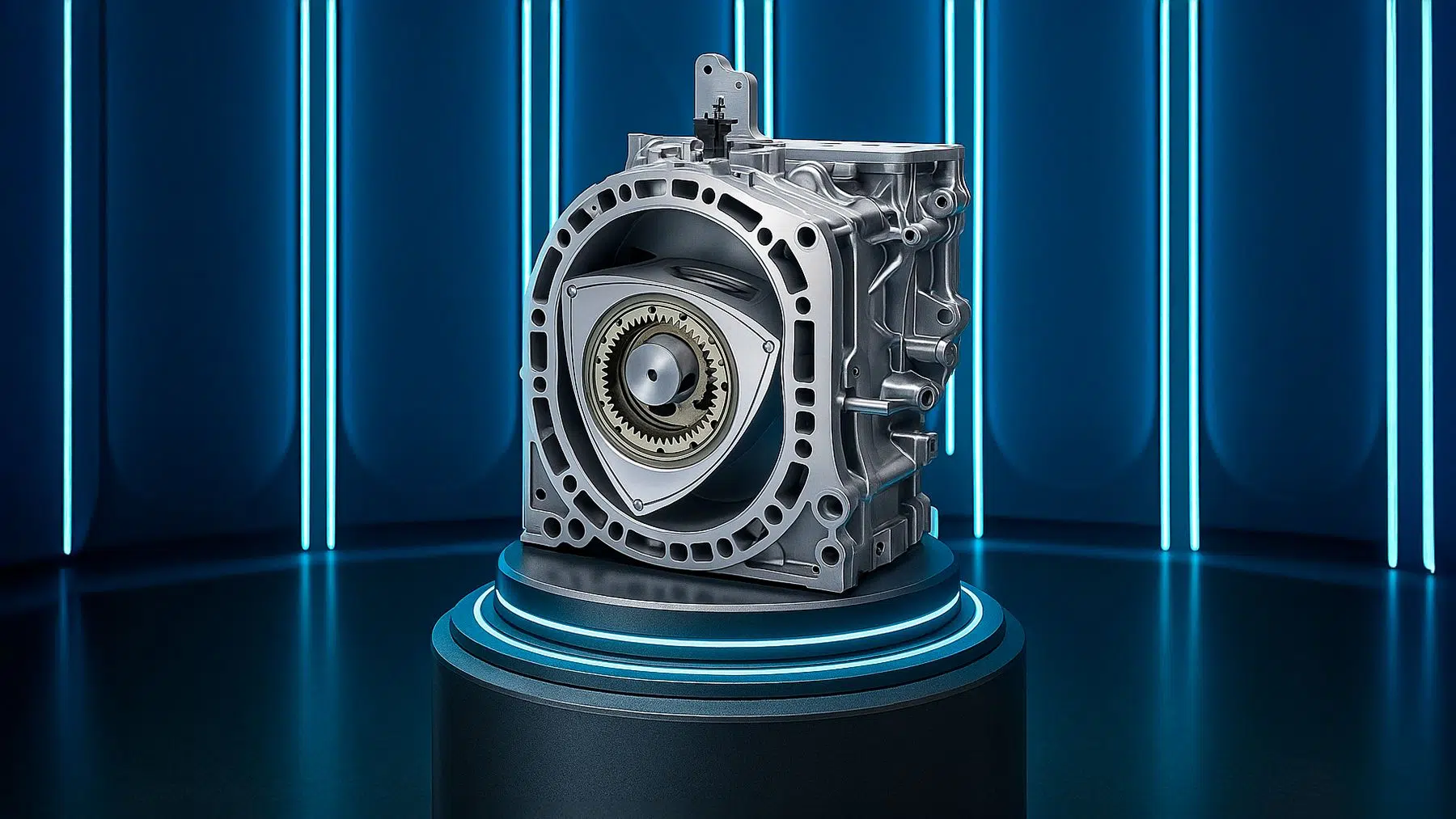
For years, Mazda’s rotary engine stood as a mechanical outlier — an unconventional symbol of the brand’s engineering boldness. While other automakers leaned into efficiency or brute force, Mazda chased harmony between weight, balance, and revs. The result was a cult following and a reputation for defying industry norms. But times change — and with global mandates pushing electrification, even the most iconic quirks have come under pressure. The company had signaled its intention to compete in the electric era, pledging billions toward battery-powered platforms and future-focused tech.
Mazda is joining the EV race
Despite those public commitments, EV adoption has been slower than expected in key markets, and the economic realities are beginning to bite. Japanese automakers, including Mazda, are now rethinking the pace and scale of their transition, not to abandon innovation, but to reframe it in more practical, profit-aligned terms.
The company’s new direction blends classic instincts with modern necessity. Instead of going all-in on electric, the brand is pouring its energy into a new combustion-hybrid architecture — a strategy anchored by the upcoming Skyactiv Z platform and an overhauled CX-5. The pivot also comes with a price tag: a sharp $3.3 billion cut from its original EV roadmap.
Plans to reduce costs and boost production
Mazda has launched its new “Lean Asset Strategy” to bring more flexibility to its electrification plans, cut R&D costs, and boost production efficiency through key partnerships. As part of this shift, the company is reducing its planned EV investment from ¥2 trillion ($13.3 billion) to ¥1.5 trillion ($10 billion), thanks in part to ongoing collaborations with Changan, Toyota, Denso, and BluE Nexus.
A major piece of the plan includes the new SkyActiv-Z engine, set to power the next-generation CX-5 in a hybrid setup by the end of 2027. Mazda is also sticking with its “Multi-Solution” approach — continuing to offer ICE, hybrid, and fully electric vehicles based on market demand.
To lower costs even further, the automaker will produce EVs and gas-powered vehicles on the same assembly lines. This strategy, supported by automated guided vehicles, AI systems, and Factory OTA tech, can cut production investment by up to 85% compared to building dedicated EV plants.
New cars are coming soon
Several new models are in the pipeline. Alongside the Mazda 6e sedan and an upcoming electric SUV (likely the CX-6e) co-developed with Changan, the company is also preparing a new EV built on its own platform, due in 2027. Designed for flexibility, the platform can support different battery types and configurations. The vehicle will be made in Japan, with batteries supplied by Panasonic Energy, and is expected to launch globally, including in Japan, Europe, and North America.
Through its partnerships, the company says it has reduced EV development time by 50% and cut related R&D costs by 40%. The company is putting major focus on its upcoming SkyActiv-Z powertrain, which will debut in the next-generation CX-5. The SUV — with the hybrid version featuring the new engine — is set to arrive by the end of 2027.
The hybrid system developed by the company
The SkyActiv-Z was developed in-house and will be paired with its own hybrid system. The company says the engine is designed to push combustion efficiency to its limits, aiming for strong performance while meeting tough emissions standards. It’s already compliant with Euro 7 regulations in Europe, as well as LEV4 and Tier 4 standards in the U.S., securing its place in the future lineup.
The SkyActiv-Z lineup won’t be limited to four-cylinder engines. The manufacturer also plans to adapt the technology for inline-six powertrains in its larger vehicles. This could leave the rotary engine in the past, but the motor changed the car culture around the world, and since it was launched decades ago, it has become an icon.
Our coverage of events affecting companies is purely informative and descriptive. Under no circumstances does it seek to promote an opinion or create a trend, nor can it be taken as investment advice or a recommendation of any kind.
Read the whole thing?
Get the week's signal, not the noise
Our sharpest reporting on energy, climate and nature — free, once a week.


