
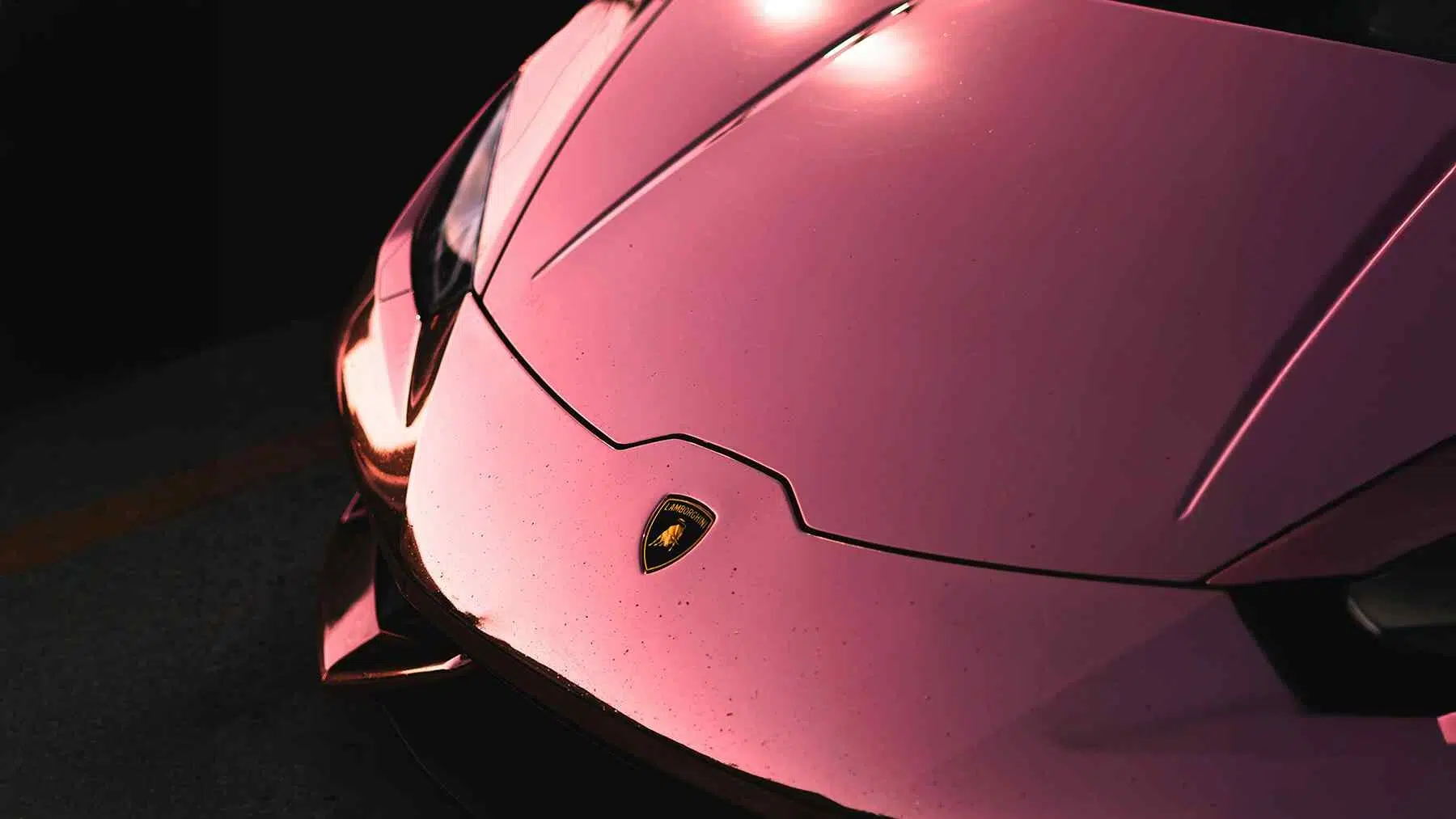
One mythical car brand has cancelled its long-awaited electric plans.
As we all know, demand influences supply. And when zero demand turns something into just an expensive hobby, there can be no other conclusion but to cancel plans altogether. In the automotive industry, manufacturers regularly make significant changes to their lineups.
So it comes as no surprise that this brand has decided to end its electric plans in favor of the only other viable option.
How the mobility industry has expanded to meet demand
As the world enters a new era of automotive design, car manufacturers have developed a wide range of options for customers.
The older, cumbersome engines that dominated the mobility market have become less prevalent. Instead, a wave of electric vehicles has swarmed the international mobility sector. Silently powering our collective ambitions of a more environmentally friendly car market.
Several companies have transformed into titans of the automotive industry by developing EV lineups.
Tesla has become the undisputed king of the EV sector, turning its CEO into one of the richest people in the world. BYD has also developed an astonishing multitude of vehicles powered by electricity, revealing that the trend is not limited by geography.
The end of an electric era: No one saw this coming
Over the past few years, the electric vehicle market has expanded exponentially.
The appeal is so prevalent that some of the largest car manufacturers that have dominated the conventional market are turning to the electric boom. Toyota, Hyundai, and even Ford have been developing electric versions of their most popular cars.
Tesla has been evolving its lineup to include new autonomous vehicles, but it needs more time to pass through the legal barriers around driverless vehicles. The impact of the ever-increasing number of vehicles on the road, be it electric or gasoline-powered, has not been lost on the mobility industry.
New developments in the mobility market have seen some of the most congested cities in the nation opting to take the path towards no cars at all on their streets.
However, as the electric vehicle becomes a more regular factor on the roads of the world, one company has ended its EV dream, instead focusing on developing a new trend of combining the old with the new.
A mythical brand waves goodbye to its electric ambitions
One of the most iconic Italian car manufacturers is taking a hard stance on the electric vehicle market.
Lamborghini has reportedly scrapped its plans to launch the Lanzador model as a fully electric vehicle, according to the company’s CEO, Stephan Winkelmann. The decision comes as Winkelman has noted that Lamborghini’s substantial target market has “close to zero” interest in electric vehicles.
While the Lanzador itself has not been relegated to the shelf, the company now plans to launch the model as a PHEV.
The impact of progression is not always a positive one, as the market now understands the price of innovation.
Plug-in hybrids are the path forward, according to Lamborghini
A plug-in hybrid vehicle that takes the best of both worlds in the mobility sector to combine them into something truly remarkable and unique. A small capacity conventional engine combined with an electric motor or two is now the plan for the latest Lambo.
Winkelman noted that the company would be foolish to invest what he calls “an expensive hobby” if its target market shows no interest in EVs.
After years and years of developing new technology to power the electric vision of the mobility market, the world is now heading in a different direction and opting to combine what has worked for generations.
How will this decision by Lamborghini affect the rest of the mobility sector in the years and decades to come?
Disclaimer: Our coverage of events affecting companies is purely informative and descriptive. Under no circumstances does it seek to promote an opinion or create a trend, nor can it be taken as investment advice or a recommendation of any kind.
Read the whole thing?
Get the week's signal, not the noise
Our sharpest reporting on energy, climate and nature — free, once a week.


