A sun blowing wind bubbles sounds like a sci-fi novel, but it is certainly real.
As we gaze into space on a daily basis, scientists at NASA and the European Space Agency are finding stars and celestial objects acting in ways we never thought possible, or even have a basic understanding of.
The new finding may have far-reaching implications for our hope to study the stars and the universe as a whole.
How astronomy has changed since we began staring into space
It astonishes us to think how far astronomy has come over time.
From the early days of human history, when astronomy meant simply staring into the inky darkness of the sky, to the more recent Hubble telescope adventure we have undertaken as a species, the way we study space has changed dramatically over the past few decades.
The Renaissance saw the best thinkers of the time realizing that the universe follows the same physical laws as our planet.
This changed society forever, as we understand that religion was not the only answer to our deepest questions. We stopped asking who was moving the universe, and started asking why it moves as it does.
Technology has given us a sneak peek into the mysteries of the cosmos
From the early days of Galileo using basic tools to study the night sky, we have come a long way.
The James Webb Telescope was launched in 2021 and has since given us the most amazing deep-field images of the deepest parts of the universe. As space and time are connected, this has become like looking at a faint picture of the earliest days of the universe.
More recently, space probes from the 70s have made reappearances in the reality show of space exploration.
The Hubble Telescope was, and still is, a crowning achievement of humankind. Bringing the best minds together from around the world to develop a truly astonishing piece of technology.
The detailed images from both the Webb and Hubble telescopes have enabled us to study the space rocks of the cosmos in more detail.
We only recently started spending inordinate amounts of money and time studying the universe. We have revealed some of the earliest star clusters in the universe through the life-changing telescopes that have been launched into space over the past few decades.
A recent finding from NASA has revealed that the trillions of stars across our universe may have a secret ability to “blow bubbles.”
NASA’s nearly daily discoveries have become profoundly important to us
NASA has several observatories that it uses to study the deepest regions of space.
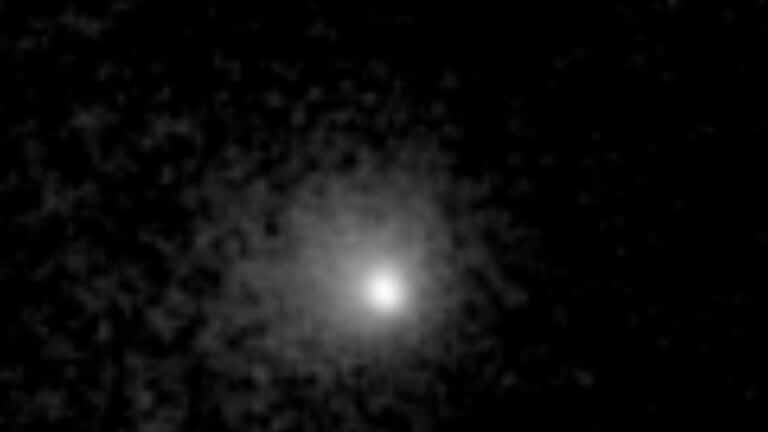
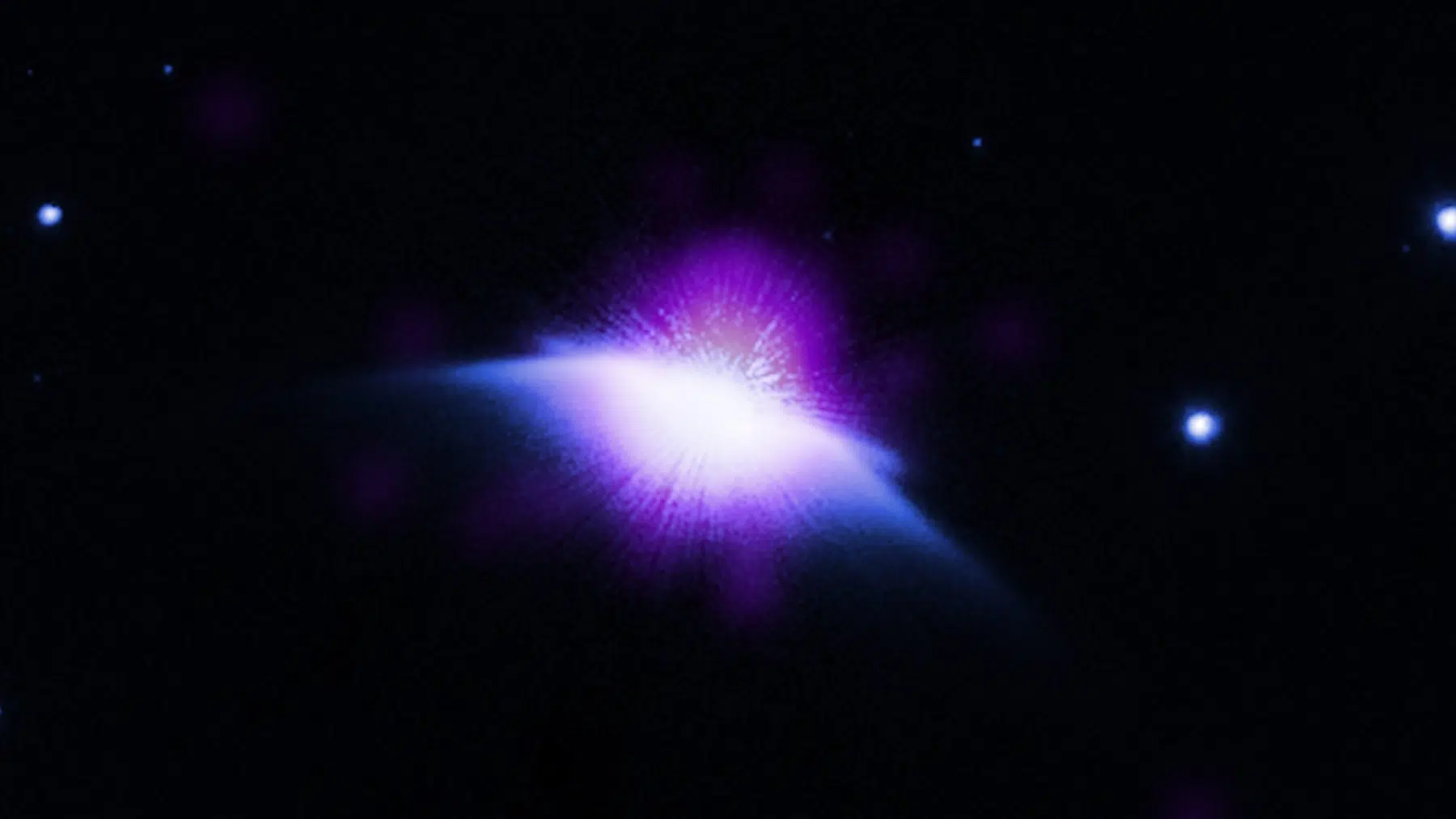
The Chandra X-ray Observatory has found that an ancient star, known as HD 61005 or “the Moth,” has been blowing what could only be described as space bubbles.
The star has been creating massive hot-gas bubbles known as astrospheres.
The 120-light-year-away Sun-like star has been creating X-ray-emitting bubbles of dense stellar winds that blow with a notable force into the surrounding interstellar gas. As this allows us to deepen our understanding of how our own star came to be, the findings have shaken the astronomy world.
Our sun has a similar protective heliosphere around it, and by studying the hot gas bubble around “the Moth” star, we now know how young stars behave.
The universe is filled with mysteries that we as a species have yet to even begin to understand. But the findings have created a clearer picture of how younger suns in our universe behaved, creating massive solar winds that blow space bubbles.
While some of us are still baffled by eclipses, the reality is that the universe is so vast that it could take multiple lifetimes to understand.
Read the whole thing?
Get the week's signal, not the noise
Our sharpest reporting on energy, climate and nature — free, once a week.