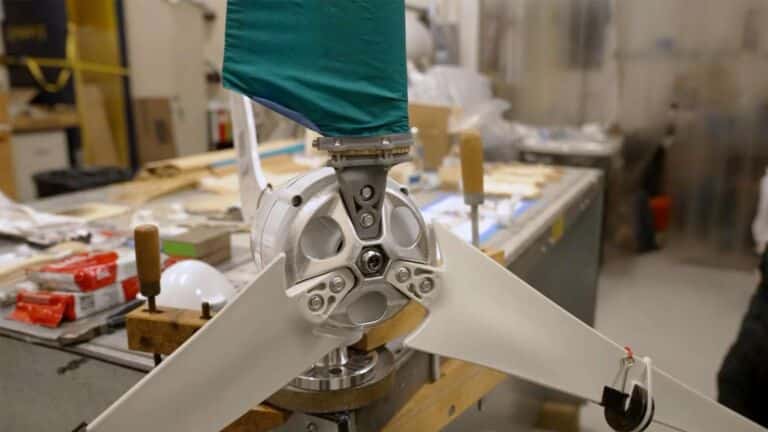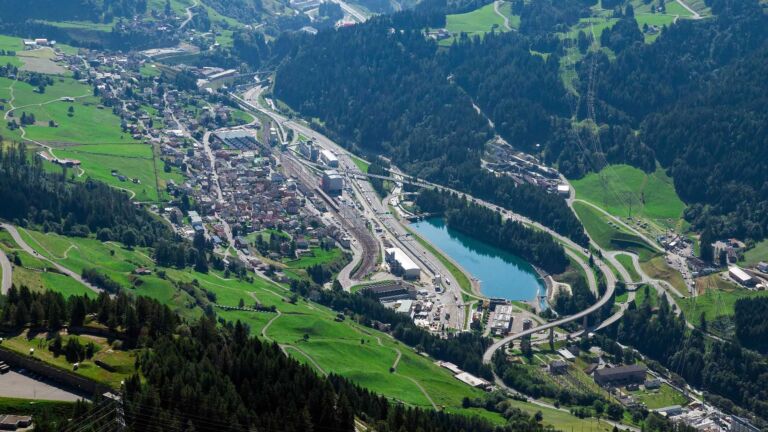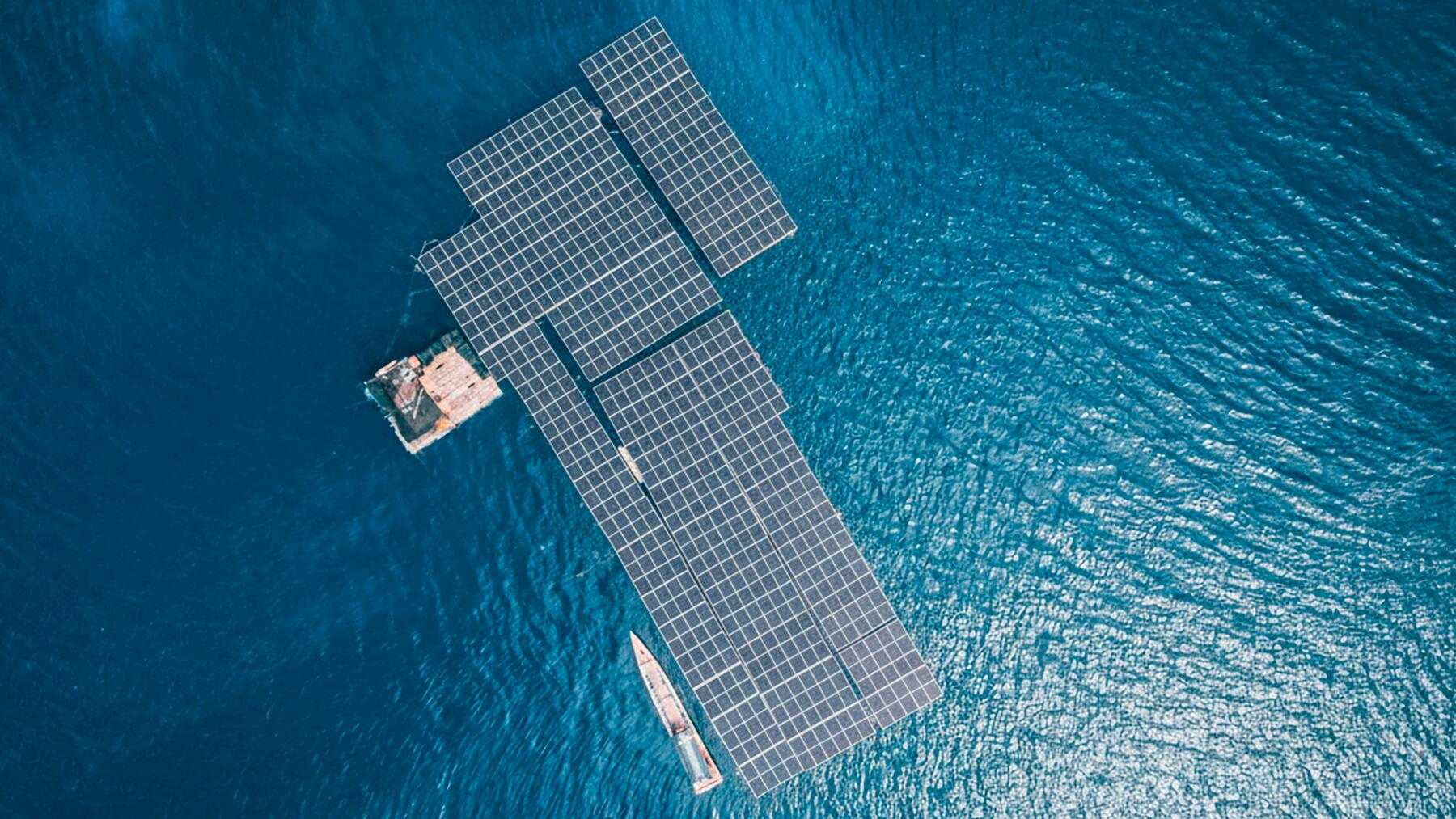
At first glance, nothing here looks special. No giant machines. No futuristic towers. No huge batteries. Most people would probably pass by and never think twice about it.
And yet, Portugal is quietly producing huge amounts of clean energy using an idea many once thought was too simple to matter.
The clean energy problem nobody likes to talk about
Clean energy sounds great. The sun shines. Power flows. Emissions drop. But real life is messier than that.
People don’t use electricity only when the sun is out. They use it at night, in the morning, and during bad weather. That creates a big problem. Sometimes there is too much power, sometimes not enough.
Most countries try to fix this with batteries, backup systems, or even fossil fuels. All of that works, but it costs a lot of money and adds complexity.
Instead of adding more, Portugal stepped back
Portugal asked a simple question. What if the answer wasn’t more technology, but better thinking?
Energy systems usually depend on one main source. When that source fails, something else is added to fix the problem. Over time, the system becomes expensive and hard to manage.
Portugal decided not to patch the system. It decided to redesign how energy flows in the first place.
Why control matters more than size
Big power plants look impressive, but size alone doesn’t solve anything. What really matters is control.
A good energy system must react fast. When demand goes up, power must appear. When demand drops, production must slow down. Without that flexibility, even clean energy can cause problems.
Many renewable sources can’t do this on their own. They are strong, but not flexible.
Old systems, new purpose
Across Europe, there are energy facilities that have worked for decades. They are reliable, connected to the grid, and already paid for.
Most people see them as outdated. Portugal saw them as an opportunity.
Instead of building something completely new, engineers asked how these old systems could work together with modern energy sources, not against them.
This is Portugal’s energy secret
At the Pracana site in central Portugal, the energy company EDP linked solar power and hydropower into one onshore system.
A large solar plant with around 90,000 panels was built next to an existing hydroelectric dam. Each system works on its own, but together they support each other.
When the sun is strong, the solar plant does most of the work. When clouds appear or night falls, the dam takes over. No batteries. No fossil backup.
Together, they produce around 140 GWh of clean electricity every year, enough to power about 51,800 homes, while cutting around 35,000 tons of CO₂ emissions.
Why this simple idea matters
The smartest part of Portugal’s project isn’t the technology. It’s the mindset.
Instead of replacing old systems, Portugal upgraded them. Instead of chasing complex solutions, it combined what already worked.
This keeps costs low, the grid stable, and energy reliable. It also shows that clean energy doesn’t always need to be loud or complicated.
Portugal’s energy secret isn’t flashy.
It’s brilliant because it’s simple.
And it may be exactly what the future of renewable energy looks like.
Read the whole thing?
Get the week's signal, not the noise
Our sharpest reporting on energy, climate and nature — free, once a week.