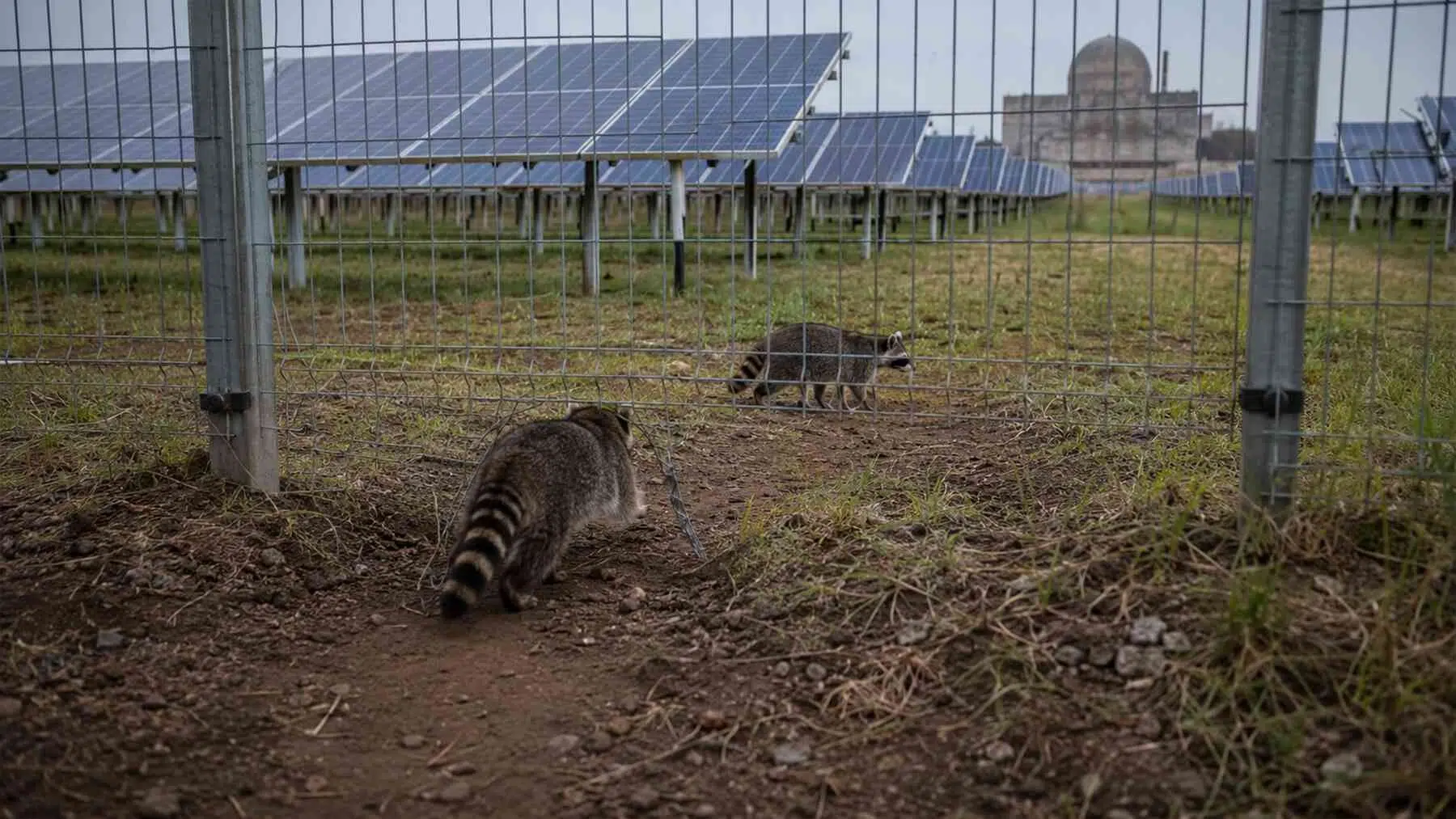
A raccoon entered the area through a broken section of the perimeter security fence. Once inside, it disappeared beneath rows of solar panels.
The site was a working solar farm beside the remains of an abandoned nuclear power plant.
To the raccoon, none of those details likely mattered.
The site was built to generate electricity. For the wildlife using it, however, the area had become part of their daily routine.
That raised one question: Why were raccoons entering the solar farm so often?
A place built for one purpose found another
The solar farm is located near the site of a proposed but never-constructed nuclear power plant.
In 1981, the Tennessee Valley Authority ceased construction when the project was about 40% complete.
For many years, the incomplete structure remained part of the landscape.
Eventually, the site took on a new use. A solar project was developed on the adjacent property.
It used much of the existing electric grid originally intended for the nuclear facility. This transformed a site once associated with nuclear power into one producing renewable energy.
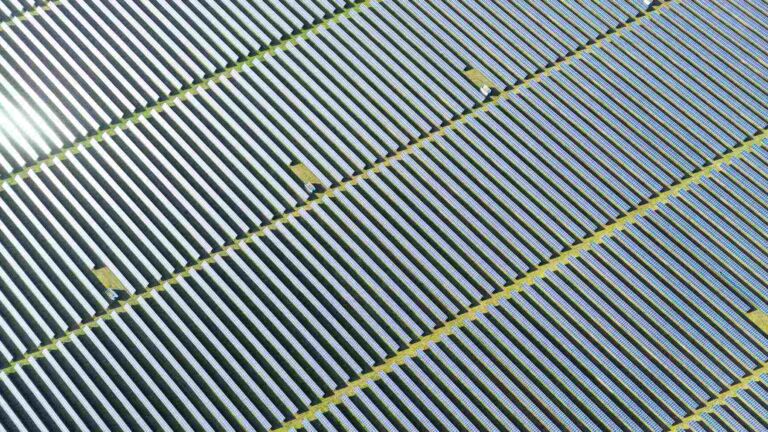
More than 3,000 solar panels were installed at the site.
For humans, the site marks a change in how the land is used. Wildlife sees something much simpler.
It sees places to move, hide, and find shelter.
Animals encounter barriers, open terrain, shadows, and shelters.
They are not aware whether the structures around them produce nuclear power or solar energy.
That is where the raccoon story begins.
The solar panels changed more than the view
Solar farms are typically viewed in relation to energy production. Wildlife views them very differently.
But these projects can also create new spaces that animals begin using.
As solar farms continue spreading, encounters between wildlife and these sites are likely to become more common. More wildlife is encountering these human-made landscapes as solar developments continue to expand.
The Phipps Bend project uses land that sat idle for approximately 30 years, awaiting a purpose.
What was once intended to house nuclear reactors is now home to a solar-based system.
The site changed over time, and so did the landscape around it.
As that happened, new habitats and shelters also appeared. Those changes can create advantages for wildlife.
A place designed to produce electricity can sometimes become useful for the animals living nearby.
The small opening that changed everything
The raccoons are not entering the solar farm because of the electricity being produced.
Instead, they seem to be taking advantage of the way the site is built.
The answer begins with a small opening in the perimeter fence.
A gap became a regular entrance
Raccoons have apparently made a hole in the solar farm’s boundary fence.
They use it like a cat door to enter and leave the site.
Electricity is not what attracts them. Instead, it is the shelter the site provides.
The shaded spaces beneath panels offer shelter from heat and harsh weather. These conditions also allow animals to move through the site with minimal disturbance.
The opening gives them an easy way in. Once inside, they use the rows of solar panels as cover while moving through the site.
An opening in a fence can quickly become part of a raccoon’s normal daily path.
Observers likened the opening to a cat flap because the raccoons use it repeatedly.
The animals are not forcing their way through the barrier each time.
Instead, they keep using the same opening every time they return. As renewable energy projects continue expanding, wildlife will keep adapting to landscapes built for entirely different purposes.
Decades after the nuclear project was abandoned, the site now serves a purpose nobody originally planned for.
Read the whole thing?
Get the week's signal, not the noise
Our sharpest reporting on energy, climate and nature — free, once a week.