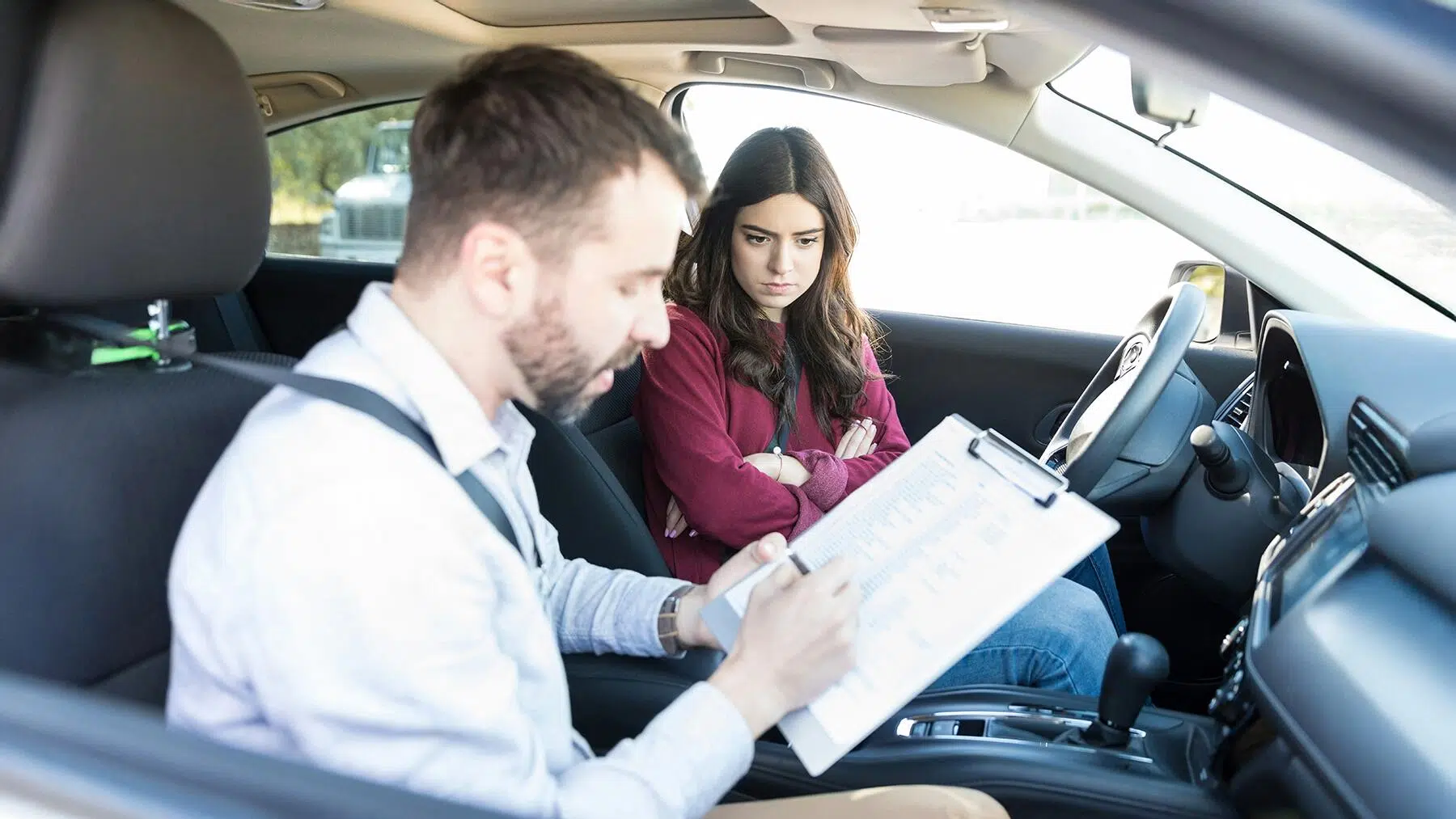
In the U.S., getting a driver’s license usually feels straightforward — especially when you compare it to how things work elsewhere. The steps are clear, the process is familiar, and for most people, it’s just part of growing up. But once you look beyond American roads, that feeling changes fast. In some places, earning a license feels far less routine and a lot more like something you have to fight for.
Why some places treat driving as a serious responsibility
Driving may feel routine, but it comes with real risks. Every year, thousands of people lose their lives on the road, often because of simple mistakes or bad decisions. Because of this, some countries believe that the road test should do more than check basic skills.
These systems are built around one idea: driving is a responsibility, not a right. Supporters of stricter testing say that tougher requirements help future drivers stay calm under pressure, understand complex traffic situations, and react better when things don’t go as planned.
Instead of rushing people onto the road, these countries focus on longer training, real-world practice, and higher expectations before anyone is allowed to drive alone. The goal isn’t to punish drivers — it’s to prevent accidents before they happen.
Where getting a license feels nearly impossible
This difference became widely discussed online after TikTok creators @thekunafam shared a video comparing driver licensing in the U.S. with parts of Europe.
In the video, the creators joke about what a European driving test can look like. According to the skit, drivers may face:
-
hundreds of hours of required lessons
-
fees of around €2,000
-
a long written exam filled with technical questions
-
and a practical test packed with difficult maneuvers
“So you completed the 200-hour course and paid the €2,000 fee, right?” one creator says, before adding that the final test includes moves “even race car drivers are having a hard time with.”
While the video exaggerates for humor, the message is clear: in many European countries, earning a driver’s license takes far more time, money, and effort than most Americans expect.
Different paths, same goal: safer roads
In the United States, driving tests are usually shorter and less technical. Still, every state requires driver education, a written exam, and a road test before issuing a license.
Rather than making the initial test harder, many U.S. states focus on strict rules after licensing. One example is the rise of hands-free driving laws, now active in more than half the country.
Under these laws, drivers are not allowed to hold a phone at all — even for navigation. Devices must be mounted, and breaking the rule can lead to fines and penalties meant to reduce distracted driving.
European countries and the U.S. may take different approaches, but the goal is the same: safer roads and fewer accidents.
So while a driver’s license in America may feel like something you’re handed, elsewhere it’s something you truly have to earn — slowly, carefully, and with no shortcuts.
Read the whole thing?
Get the week's signal, not the noise
Our sharpest reporting on energy, climate and nature — free, once a week.