For over two decades, a salmon population in Washington state has been dwindling away.
The fish were returning to the same waters their ancestors had used for generations.
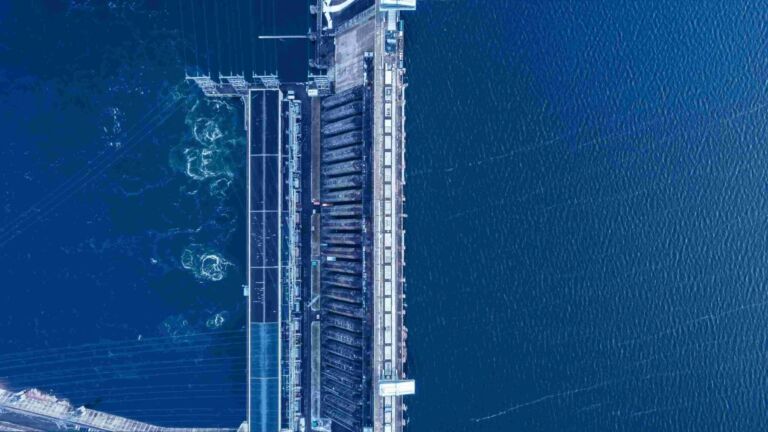
Something had obviously changed, though. There was now a large-scale hydroelectric facility between the salmon and their ultimate destination.
As with many hydroelectric systems, the primary purpose of the dam was to provide electrical energy.
It was not built to assist migrating fish.
Everything seemed normal until the salmon returned
By 1985, sockeye salmon numbers in the Baker River system had fallen dramatically.
At that time, only 99 sockeye returned.
Population declines were so severe that the future of Baker River sockeye salmon appeared uncertain. One key part of a salmon’s life cycle is returning to its natal stream when it reaches adulthood.
Salmon spend multiple years at sea before swimming miles back to their birthplace.
During migration, adult salmon must navigate strong currents, predators, and environmental changes.
Sockeye returning to Baker Lake encountered one additional obstacle.
Two dams were located in the lower portion of the Baker River. They generated electricity and altered the natural path of the river.
The fish could reach the area where the dams were located.
However, getting beyond the dams and into the upper Baker River system was another issue.
Something was standing between the salmon and their destination
Originally, the Baker River Project was constructed for hydroelectric purposes only.
Like numerous other hydroelectric projects, it changed the river’s natural channel and flow patterns.
Adult sockeye migrating to spawn could no longer pass the dams and continue upstream as they previously had.
An alternative strategy was necessary. A partnership between Puget Sound Energy, the Upper Skagit Indian Tribe, Washington Department of Fish and Wildlife, and Swinomish Indian Tribal Community created an innovative solution.
This approach gave salmon a safe route past the dams and hydroelectric turbines.
The press release from the Washington Department of Fish and Wildlife highlighted how this collaboration helped restore Baker River sockeye salmon.
It also allowed the electrical generating system to continue operating.
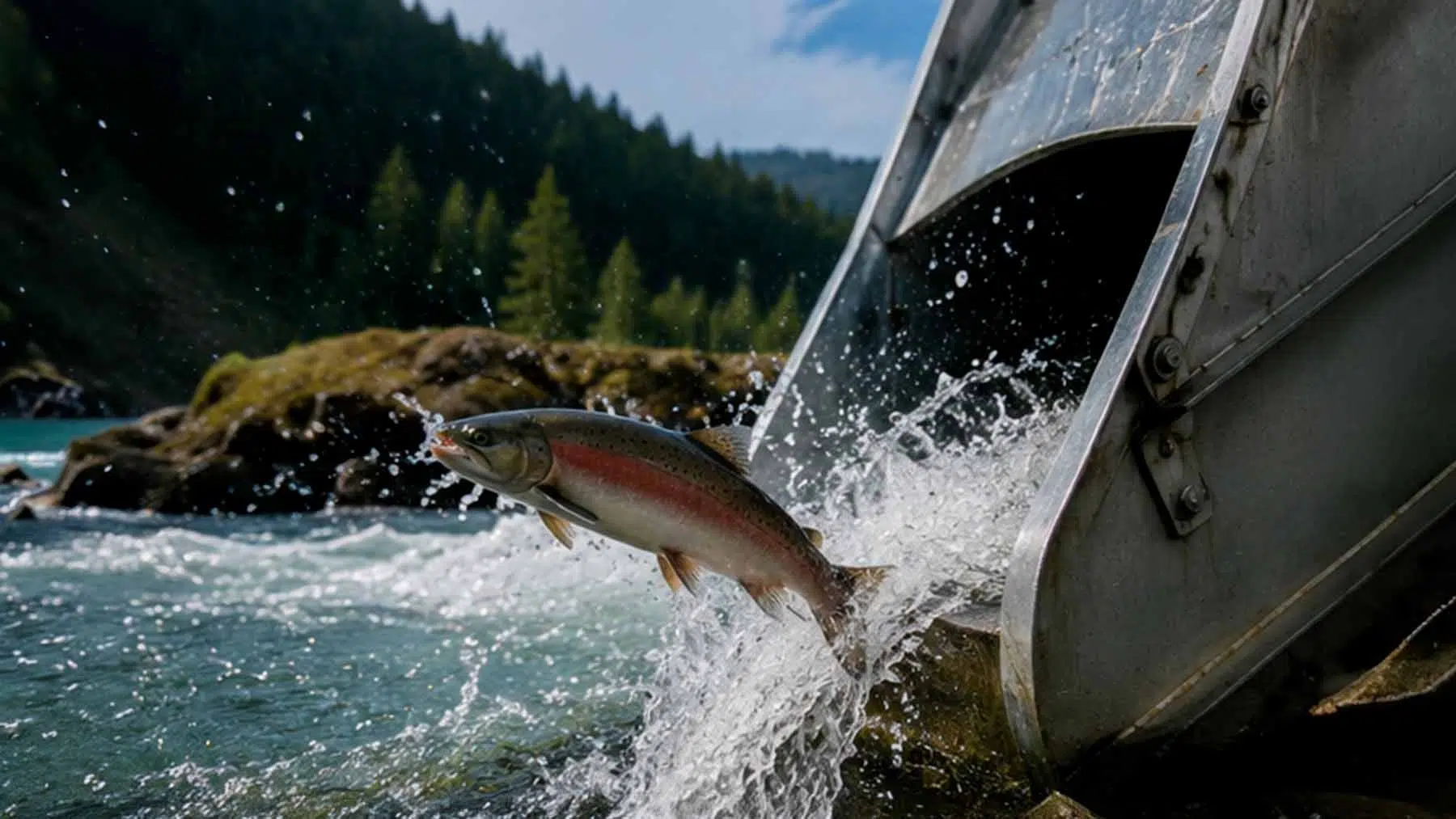
Fish are collected below each dam using traps. They are then transported above each barrier.
Once moved, they can enter Baker Lake and adjacent spawning habitats. Accessing these habitats provided the fish with additional opportunities.
They could not naturally reach these areas because of the physical barriers.
What made this even more unique was how the fish were transported.
How did the hydroelectric dam become a “taxi” for the salmon?
No part of the dam itself was used to transport the fish. Instead, the system surrounding the hydroelectric turbine generators became the fish “cab.”
It carried them around the dams and provided safe passage to continue their journey.
The ride nobody expected
This innovative method helped transform a declining population into one of the Northwest’s most successful sockeye salmon recoveries.
Before this program began in 1985, fewer than 100 sockeye returned to Baker Lake and associated tributaries.
By 2025, approximately 92,000 sockeye returned to the Skagit River drainage system. They were en route to the Baker River and ultimately Baker Lake.
While the sockeye population made significant progress in less than forty years, the recovery was not immediate.
It was made possible through partnerships lasting more than twenty-five years.
These efforts included monitoring activities, long-term commitments, and an understanding that wildlife and man-made structures could coexist.
Electricity continues to be generated by this dam. It has also helped restore a nearly lost salmon run.
The dam was intended to produce electricity.
It was never designed to assist migrating salmon.
Beyond producing electricity, it has become a symbol of hope.
It represents a connection between the present and future of Washington state’s salmon runs.
Read the whole thing?
Get the week's signal, not the noise
Our sharpest reporting on energy, climate and nature — free, once a week.