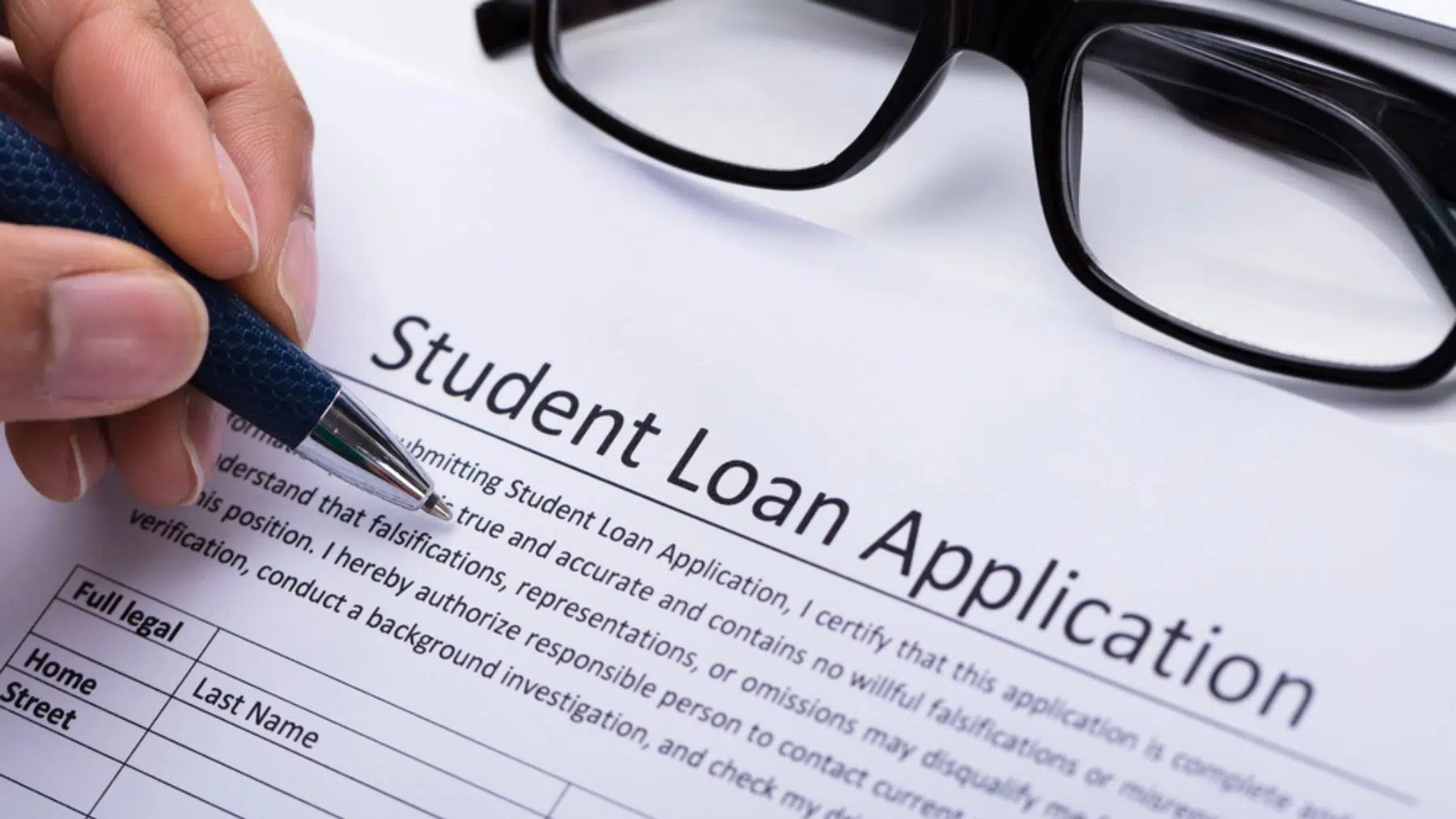
After months of apprehension about the future of student loan forgiveness following Donald Trump being voted back into power as the President of the United States, some clarity has emerged in February 2025. It’s been confirmed that the Public Service Loan Forgiveness (PSLF) program will remain operational under Trump and borrowers with student loan debt can start investigating their options and making applications. You can find the criteria to qualify and details about the process below.
You will also find tips to make the loan forgiveness part of your tax return for 2024 as stress-free as possible.
Public Service Loan Forgiveness is available under Donald Trump
Americans whose financial well-being is dependent on the State—which is pretty much everyone—are living under uncertainty about the future, considering the President’s tendency to make rapid policy decisions that create waves of economic consequences. Fortunately, student debt holders now have a clearer picture of the way forward.
In the four years of Joe Biden’s administration, close to $175 billion was distributed to clear federal student debt and millions of borrowers benefited from the relief, as reported by the White House. A large portion of these efforts were made under the revision or expansion of existing programs such as Public Service Loan Forgiveness (PSLF), income-driven repayment (IDR) plans, borrower defense, and disability discharge programs.
Trump hasn’t minced his words when criticizing student loan forgiveness and it’s expected that his administration will make concentrated efforts to halt programs aimed at relieving financial strain on student loan holders. Fortunately, those who have already had their loans written off don’t have to worry: this cannot be reversed.
Who qualifies for PSLF?
Public Service Loan Forgiveness (PSLF) is a federal program intended to encourage careers in public service by reducing the burden of debt. Federal loan borrowers who make a minimum number of monthly payments will have the remaining balance written off. There are two main conditions:
- Number of payments: 120 qualifying monthly payments must be made under an accepted repayment plan.
- Public service or nonprofit employer: Borrowers must be employed full-time by an eligible employer, which includes government and non-profit organizations and some other public service roles.
What is the PSLF application process?
The official Public Service Loan Forgiveness website is the place to start. The PSLF site has a Help Tool to assist with the following steps in the application process:
- Downloading the application form.
- Checking to see if your employer is already in the database.
- Requesting employer eligibility to be reviewed if it’s not already in the database or hasn’t had eligibility determined yet.
- Preparing and signing the PSLF form and requesting employer signature and certification electronically.
- Generating your PSLF form for manual signing and submission.
Student loan forgiveness and taxes in 2025
Student loan borrowers and those who have benefited from any form of forgiveness need to understand the tax implications in 2025. below are the steps to take to ensure you are well-prepared to file your return accurately.
Track your forgiveness status
Make sure you maintain detailed records of all student loan actions and correspondence, including your loan provider’s communications, your payment history, and any status updates. Being aware of your status is vital for effective tax planning.
Consult a tax professional
Student loan forgiveness can involve complex tax situations, especially when state taxes are involved. It’s highly advisable to speak to a tax professional who will explain how forgiveness might impact tax and recommend strategies to minimize tax implications.
Consider long-term financial planning
It’s essential to plan for the future even though you expect relief under a forgiveness program. You should think about how forgiveness impacts long-term financial goals, such as homeownership or saving for retirement.
Stay updated on changes in legislation
Student loan forgiveness rules may change after this year based on future legislation. It’s essential to remain updated on changes to tax laws that might affect student loan forgiveness, as well as any expiration of current exemptions.
There’s a lot to keep in mind when filing your tax returns. There are a number of different tax credits available and being aware of your eligibility means you won’t miss out on opportunities such as the Earned Income Tax Credit (EITC).
Read the whole thing?
Get the week's signal, not the noise
Our sharpest reporting on energy, climate and nature — free, once a week.