
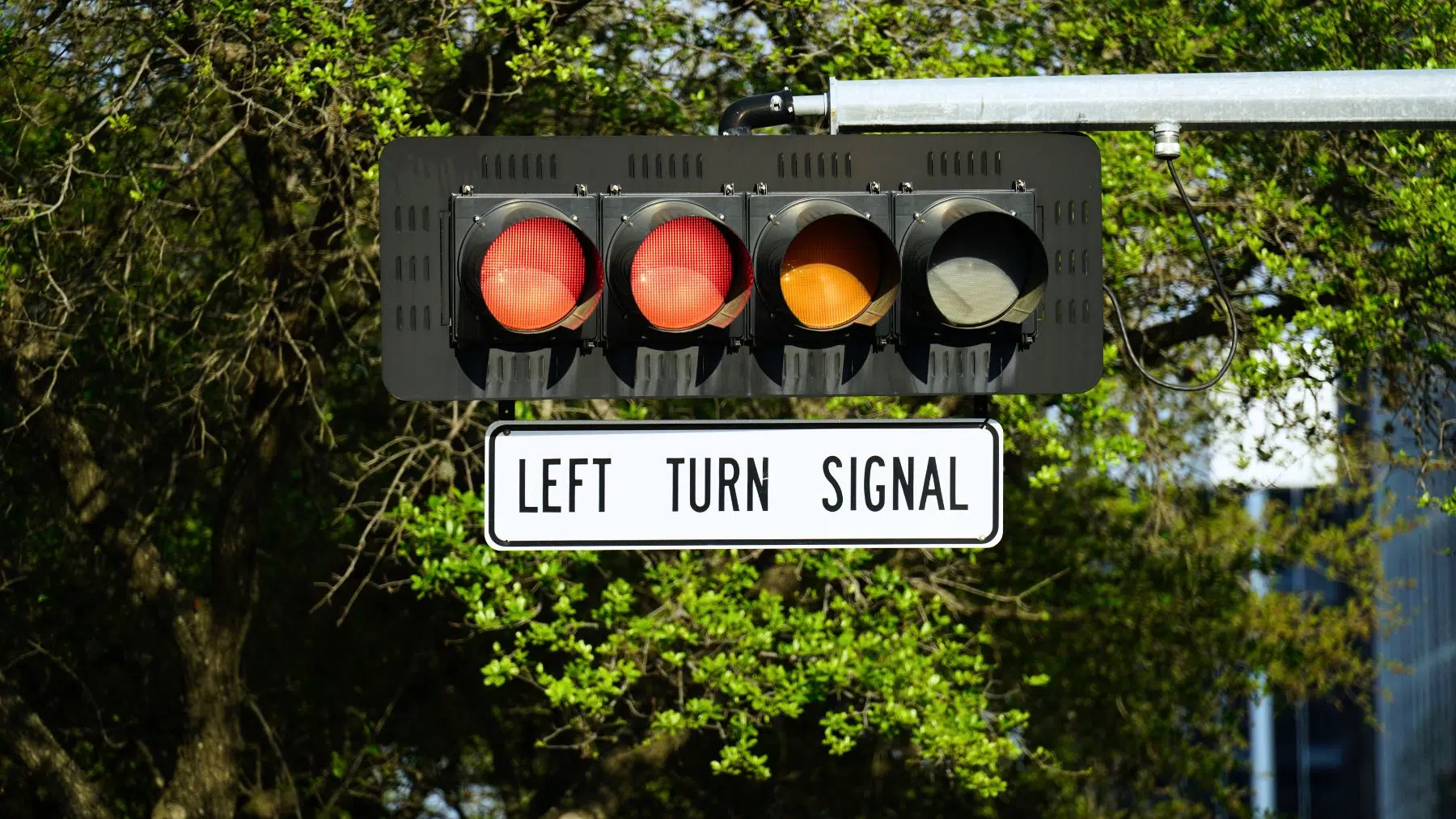
Traffic safety has become a significant concern, not only in the United States but also globally. In the U.S., concerns are rising amid increasing congestion levels and rising accident and fatality rates. That is among the reasons why traffic updates are happening in the U.S., and why Texas is moving to update its traffic signals. While these changes may feel sudden, they have been coming for quite some time. Familiarizing oneself with the complete list of changes for roads and self-driving cars will help make the transition easier.
Advocated change is becoming a reality
There is a reason why U.S. citizens are becoming increasingly concerned about traffic safety in the country, as the latest statistics indicate a growing, troubling problem. According to the National Highway Traffic Safety Administration’s estimations from 2023, the total number of fatalities was a shocking 40,901, and traffic-related injuries were an even more shocking 2.44 million.
Several factors contributed to these numbers, including congestion, reckless driving, the lack of seatbelt usage, and distracted driving. Some have argued that conflicting and confusing national signs across the country also played a contributing role, especially among rural and urban regions. Advocating for change increased, and it has finally become a reality.
A uniform, national document arose to help increase traffic safety and consistency, which is also why Texas is now updating its traffic signals. A complete list of changes to expect has been released, and an in-depth review of this list is highly recommended.
Texas’s move to update traffic signals
Changes are coming to Texan roads and their drivers, with significant updates, particularly to traffic signals, that will be seen across the state. However, these updates are not a sudden decision. And no, we are not referring to Elon Musk’s 2023 dream for Texas, which, unfortunately for Musk, was rejected. This means the plan to link California and Texas will no longer happen.
No, these traffic signal updates are happening due to the national Manual on Uniform Traffic Control Devices (MUTCD). According to the Texas Department of Transportation, the state-wide updates have been part of a transitional process driven by the national MUTCD published on December 19, 2023, and became official on January 18, 2024. Texas was given two years from the official date to implement the Texas MUTCD.
Complete list of changes for roads and self-driving cars
Now that it is two years later, the following Texas MUTCD changes have become official on January 18, 2026:
Traffic signal changes for roads
- A right turn on a red arrow is now legal
- Bicycles are allowed to queue at the intersection approach before entering it
- Roadways that cross a shared-use path are mandated to have crosswalk markings
- Regulatory speed limit signs must be posted at all times in work zones
- 6-inch edge lines must be used for pavement markings, and drivers must obey these lines
- Alternative traffic signals, such as rapid flashing beacons, are now allowed for pedestrian safety, and drivers must give right of way
Traffic signal changes for self-driving cars
- 6-inch edge lines must be used for pavement markings, to enable self-driving cars to more easily identify the lines and obey them
- Updated infrastructure guidance to support self-driving car integration
- Consistent placement of signals within a corridor to allow self-driving cars to more easily identify and interpret signals
- Use of retroflective bordered backplates is emphasized
Standard rules for red/yellow/green traffic signals are also emphasized in the Texas MUTCD. Other states were given the same deadline as Texas to implement the national MUTCD with their state-specific traffic rules and regulations. Considering the upcoming 2026 FIFA World Cup, these more uniform and consistent traffic signal guidelines will hopefully help boost traffic safety and reduce congestion. Speaking of congestion, California drivers may be forced to pay controversial congestion fees soon.
Read the whole thing?
Get the week's signal, not the noise
Our sharpest reporting on energy, climate and nature — free, once a week.


