In 2026, Seattle City Light signed a groundbreaking agreement regarding the relicensing of its three-dam Skagit River Hydroelectric Project, located in the North Cascades of Washington.
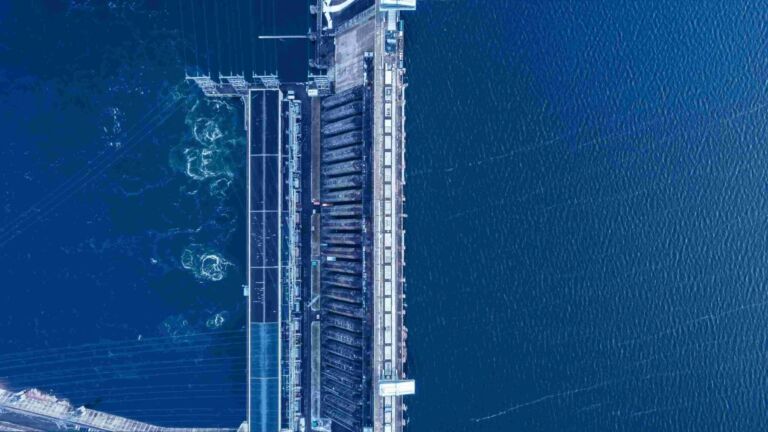
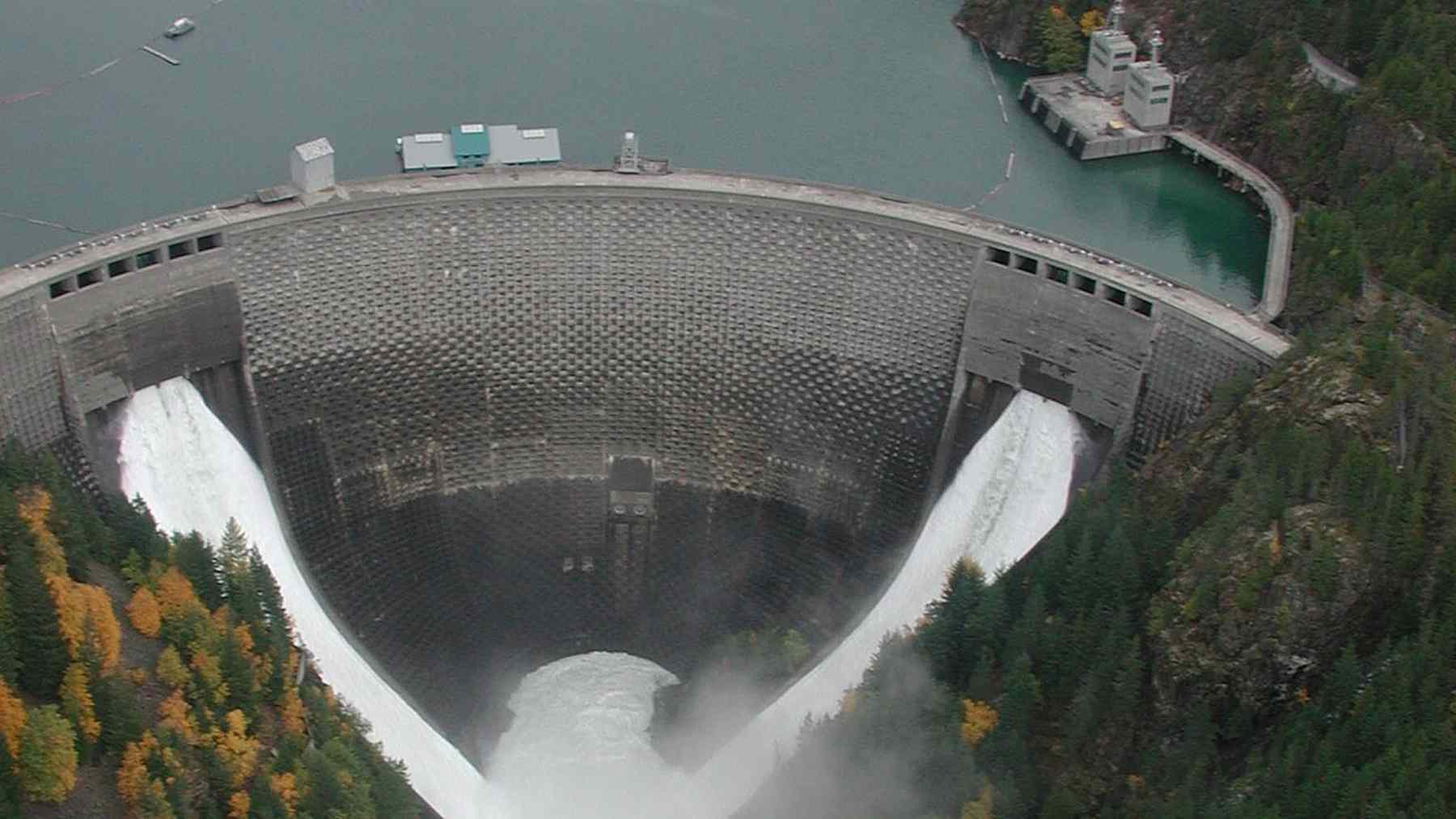
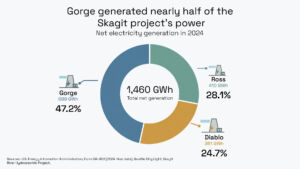
This project consists of three dams, Ross, Diablo, and Gorge, providing about 20 percent of zero-carbon electricity to Seattle.
According to the new agreement, Seattle City Light has committed to a long-term fish passage program aimed at reintroducing salmon and steelhead populations to the upper Skagit River.
It is a multi-decade endeavor with facilities planned to become operational over a 24- to 30-year timeframe following license issuance.
Generating carbon-free hydro power from cascade reservoirs
The Skagit River Hydroelectric Project is made up of a series of three dams, located in a stepped chain of rugged mountain canyons.
At the top end of the reservoir is Ross Dam, which holds back large amounts of water resulting from the melt of snowpack in winter.
The water from Ross Lake then flows down through Diablo Dam and Gorge Dam to spin turbines for power production.
These three dams make up 20 percent of the total electricity supply by Seattle City Light without using any fossil fuel.
Hydro generation produces consistent energy, which helps balance out fluctuations in wind and solar power in the area.
Engineering mechanical fish passage around high concrete dams
Built from 1924 until 1961, the concrete barriers prevented the upstream migration of fish by forming impervious barriers.
The 2026 agreement establishes a decades-long horizon for infrastructure buildout.
Under the settlement schedule, fish-passage facilities are required to be operational within 24 years of license issuance and meet performance standards within 30 years.
Opening access to these high-altitude tributaries will proceed through this phased schedule rather than an immediate reopening.
Proposed strategies being evaluated include floating surface collectors for juvenile salmon at Ross Lake and collection facilities below Gorge Dam for adult Chinook, Coho, and steelhead.
Transport methods, such as haul trucks to headwater tributaries above Ross Dam, will undergo biological testing, stock selection studies, and explicit feasibility evaluations before final facility configurations are established.
Adjusting flow regimes to protect downstream gravel beds
Historically, hydroelectric production had been affecting natural river flows through increases and decreases of water flows depending on daily power demand peaks.
Water flow changes can wash away natural river gravel beds and leave fish eggs exposed to the elements in small pools near the riverbank.
The proposed licensing regime imposes a strict restriction on water flows from Gorge Powerhouse.
Regular release plans keep consistent minimum flows of water to ensure survival of buried salmon eggs and aquatic insects.
Customized water flows allow for maintenance of suitable river conditions during the spawning period.
Restricting river flows minimizes disruptions of natural hydraulic conditions essential for aquatic life.
Partnering with native tribes for long-term watershed stewardship
Upper Skagit Indian Tribe, Swinomish Indian Tribal Community, and Sauk-Suiattle Indian Tribe assisted in negotiating the historical accord, according to Seattle City Light Powerlines.
Since time immemorial, the tribal communities have depended upon the salmon from the Skagit River for their identity, sustenance, and livelihood.
The agreement creates joint management committees for habitat monitoring and investment in fish restoration.
The funds will be used for estuary restoration, riparian habitat enhancement, and temperature measurement of streams.
Balancing clean power generation with ecological restoration
Renegotiation of the Skagit project highlights the way old energy facilities can evolve to accommodate new ecological objectives.
Committing to this 30-year fish passage program enables Seattle to maintain its stable, emissions-free energy supply today while laying the groundwork for long-term ecological restoration over the course of the new license.
Modernization of the mechanical equipment ensures that the dams comply with all the environmental and structural safety requirements.
The settlement agreement with multiple agencies serves as a basis for sustainable hydropower production in the entire region. Implementation of the ecological restoration into utility activities shows that clean municipal energy and salmon can coexist.
Read the whole thing?
Get the week's signal, not the noise
Our sharpest reporting on energy, climate and nature — free, once a week.