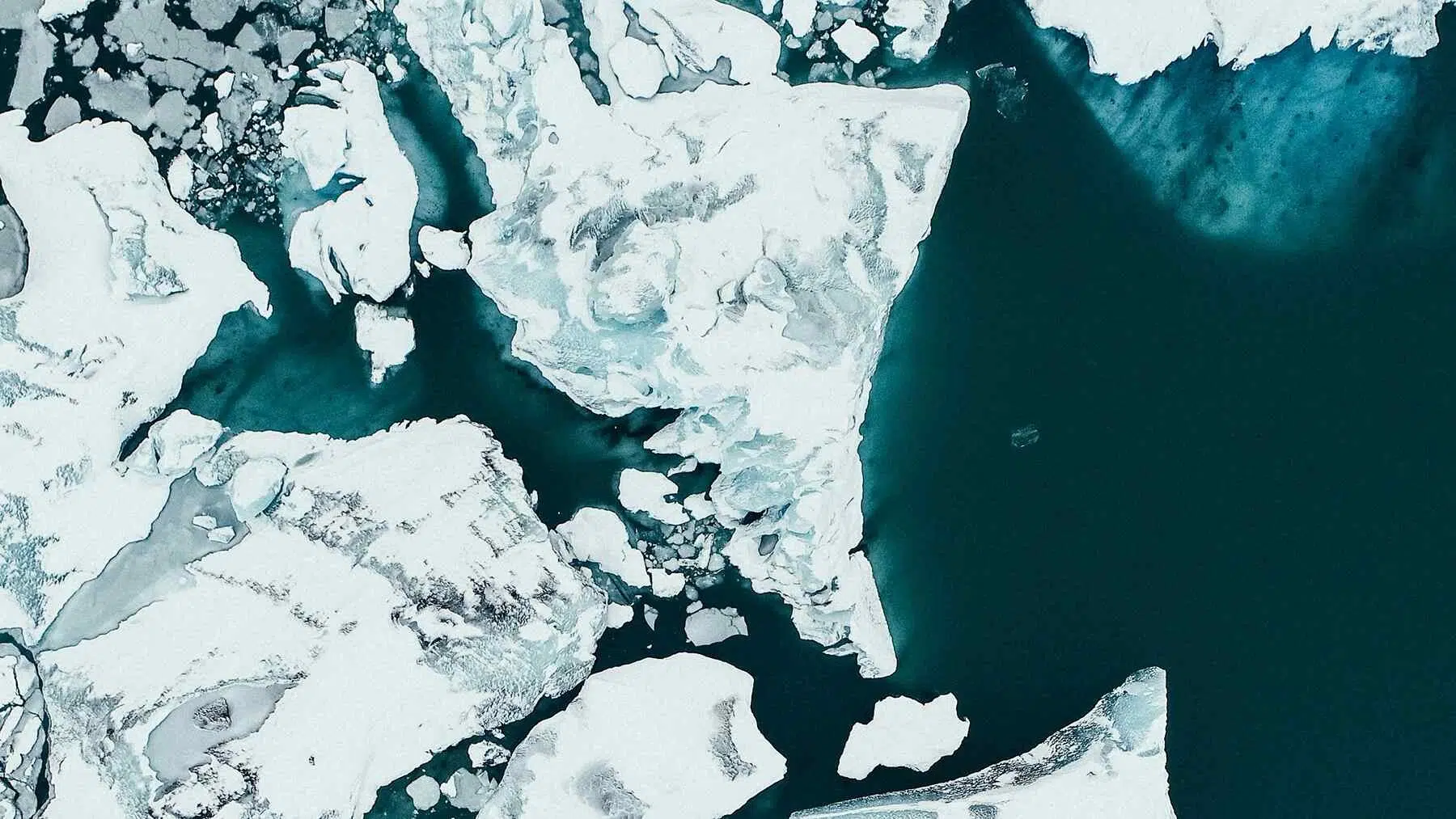
Alaska’s 13-mile-long Mendenhall Glacier is no longer connected to the lake it created.
The 13-mile Mendenhall Glacier has been retreating rapidly.
So much so that its icy front is no longer holding onto the lake that it created.
That separation has marked the end of something that started hundreds of years ago.
Now, something entirely different is starting to emerge in Alaska.
What is causing the glacier to retreat uphill into the Juneau Icefield?
How thin ice has now led to big changes in Alaska
For the past few decades, visitors arriving near Juneau expected the same thing.
The awe-inspiring natural beauty of one of the most iconic states in the US.
Towering blue ice spilling into the cold water of the Mendenhall Lake.
That iconic view is now disappearing.
With every passing year, the researchers noticed something happening.
The glacier front edge is pulling away more and more.
That natural retreat has accelerated over recent years. Experts measured major thinning across the lower sections of the glacier.
In some parts, it’s lost hundreds of feet of thickness.
That change is becoming a profoundly important factor.
The glacier’s lower sections have thinned by hundreds of feet over recent decades.
A natural transformation that has led to a Great Ice escape
Alaska’s iconic landscape and features are rapidly changing.
Experts note that the glacier’s retreat has been taking place since the end of the Little Ice Age.
However, climate change played an influential role.
Warming temperatures reversed the expanding process. The glacier began to shrink.
Over an exceedingly long time, the glacier carved out the freshwater lake it now sits on.
Ironically, that very lake may now be accelerating the glaciers’ retreat.

It can no longer replace ice that has melted away. Due to reduced incoming ice flow in the region.
That remarkable natural imbalance is something we can do little about.
Experts estimate that the glacier may reveal new landmasses as it breaks away.
They think the glacier’s surface is melting by up to 49 feet annually.
An astonishing rate of retreat for such a huge body of ice. And that is where things get even more interesting.
The separation could reveal new basins and unexplored landmasses in the state of Alaska.
What is happening has been detailed in a report from the Geophysical Institute of the University of Alaska.
An Alaskan ice breakup is now taking place
As the glacier melts and breaks away, it may reveal landmasses never seen before.
Entire landscapes are silently emerging from beneath the ice. But what is going to happen to the glacier?
Researchers believe it is now heading back towards the mountains nearby.
For centuries, the glacier held a held on to the lake. That stronghold is coming to an end.
Experts note that the glacier is transforming from a lake-calving one into a mountain glacier.
Which explains why the glacier has finally broken away from the lake. After a 400-year wait.
Where is this iconic glacier heading to, and what will happen once it gets there
It is heading farther uphill into the Juneau Icefield.
And it could eventually disappear from public view altogether.
As it melts, it may lead to flooding in the area. Meaning the landscape itself in Alaska may change, too.
Researchers say reduced ice flow from the Juneau Icefield prevented the glacier from replacing ice lost through melting.
Foot by foot, changing its location as it breaks away.
With every part it loses, it is revealing new landmasses and possibly even a few freshwater lakes.
Experts warn the retreat could reshape local flooding patterns.
The land that makes this part of the world so special is changing.
And it’s changing in ways we can do almost nothing about.
Read the whole thing?
Get the week's signal, not the noise
Our sharpest reporting on energy, climate and nature — free, once a week.