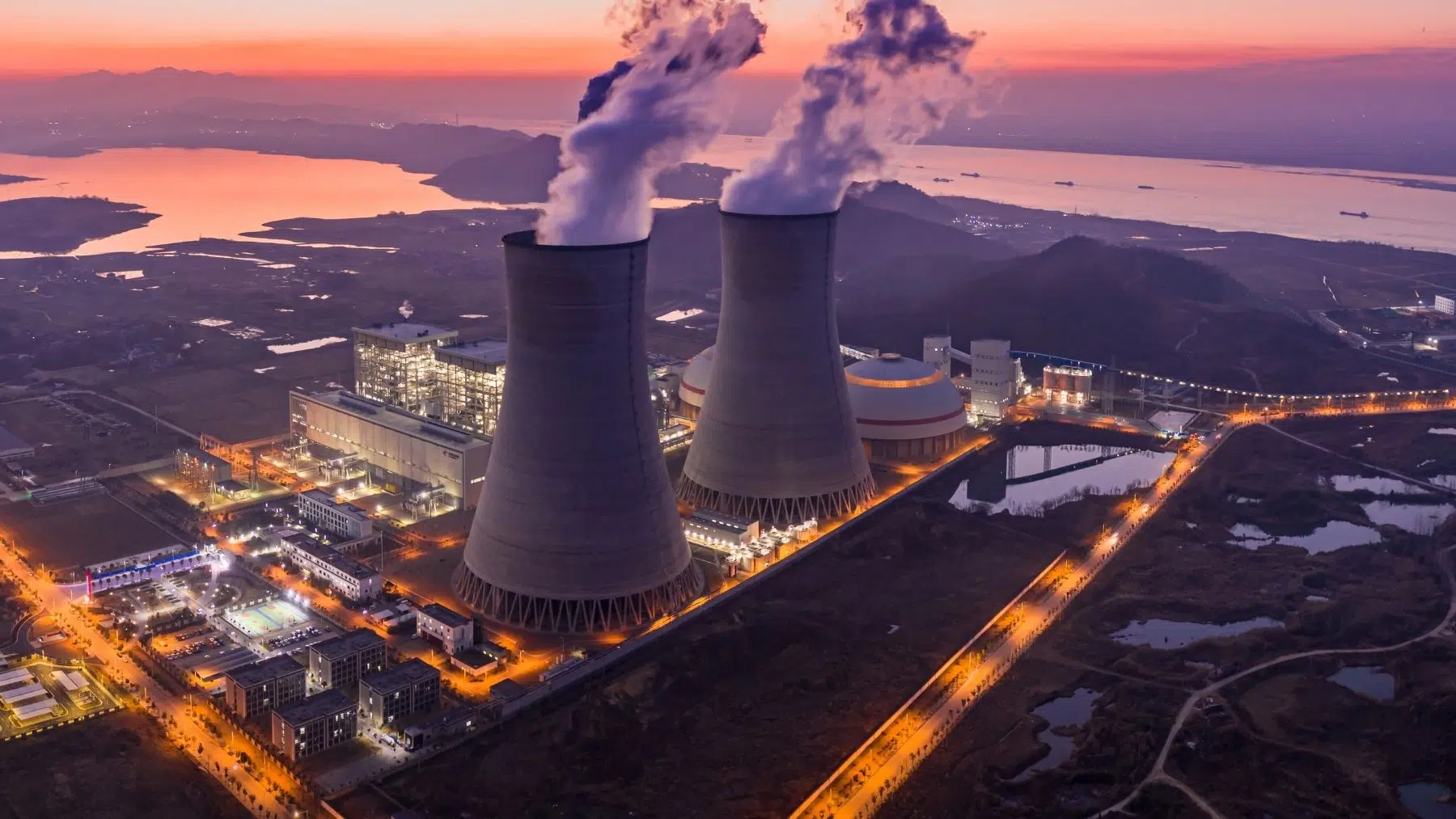
Nuclear power has re-emerged in the energy sector as the United States plans on advancing its energy production and supply. Although some contradict the idea, there are then those who support the idea, believing that nuclear power will provide clean and reliable energy. In December 2023, a worldwide coalition led by the United States publicly committed to a goal that by 2050 the nation’s nuclear power capacity will triple.
One of the country’s top nuclear authorities stated in September 2024 that while the scheduled reopening of Three Mile Island is a positive step for nuclear power, the United States must install new facilities to meet the growing need for electricity. According to Mike Goff, acting assistant secretary for the Department of Energy’s Office of Nuclear Energy, the United States must at least triple its nuclear fleet to meet demand.
Trump’s plan: using nuclear power energy to rejuvenate coal communities
All the communities whose hubs have been coal, Trump wants to change that into nuclear power development. The transition from coal to advanced nuclear facilities will create job opportunities and preserve energy infrastructure. Additionally, this strategy would make extensive use of next-generation technology, such as small modular reactors (SMRs), which are renowned for their scalability and efficiency.
As much as this transition sounds good and easy, it is actually difficult. The critics have expressed that retraining workers may be difficult in coal-dependent areas, and infrastructural upgrades will cost a lot of money. With that being said, supporters believe that this will stimulate cleaner energy, which is economically and naturally sustainable in the future.
With 94 active reactors that can generate roughly 100 gigawatts of electricity, the United States presently has the largest nuclear fleet in the world. In 2023, the fleet provided over 18% of the country’s electricity. In an interview with CNBC, Goff stated that the United States needs to add 200 gigawatts of nuclear power. Given that the average reactor size in the U.S. fleet is currently around a gigawatt, this is roughly equal to constructing 200 additional plants.
Why nuclear power should be tripled by 2050?
The goal to triple nuclear power by 2050 is to solve the climate change issue because nuclear offers clean energy and a steady supply of energy without carbon emissions associated with fossil fuels. If we are to compare it to other energy sources such as wind and solar, nuclear is more consistent and reliable, as mentioned earlier.
Goff remarked, “It’s a huge undertaking.” In December 2023, a worldwide coalition led by the United States publicly committed to achieving this target by 2050. At a climate summit in Dubai, financial firms such as Bank of America and Goldman Sachs supported the goal. According to Goff, Constellation Energy’s goal to reopen Three Mile Island by 2028 is a positive move.
According to him, the plant ran effectively and safely until 2019, when it was shut down for financial reasons. Nuclear power has its benefits; however, it remains a topic that is still causing back-and-forth debates within conversations and in the energy sector. Some even believe that it is not safe; this could potentially hinder the USA’s chance to cut down expenses and focus on clean resources.
From coal to nuclear: It is not such a bad idea after all
The United States coal villages might serve as a runway for the construction of numerous new nuclear power reactors. Because new production is not being built quickly enough, utilities in many parts of the United States are phasing out coal as part of the clean energy transition, which is causing a supply gap and inconsistency in some areas.
According to a Department of Energy report released in 2024, up to 174 gigawatts of new nuclear power might be installed across 36 states from recently closed coal facilities, those scheduled to retire, and presently functioning units with no predicted shutdown date yet. Reactors at coal facilities can skip the drawn-out process of locating new grid connections because transmission cables are already in existence there.
Read the whole thing?
Get the week's signal, not the noise
Our sharpest reporting on energy, climate and nature — free, once a week.