
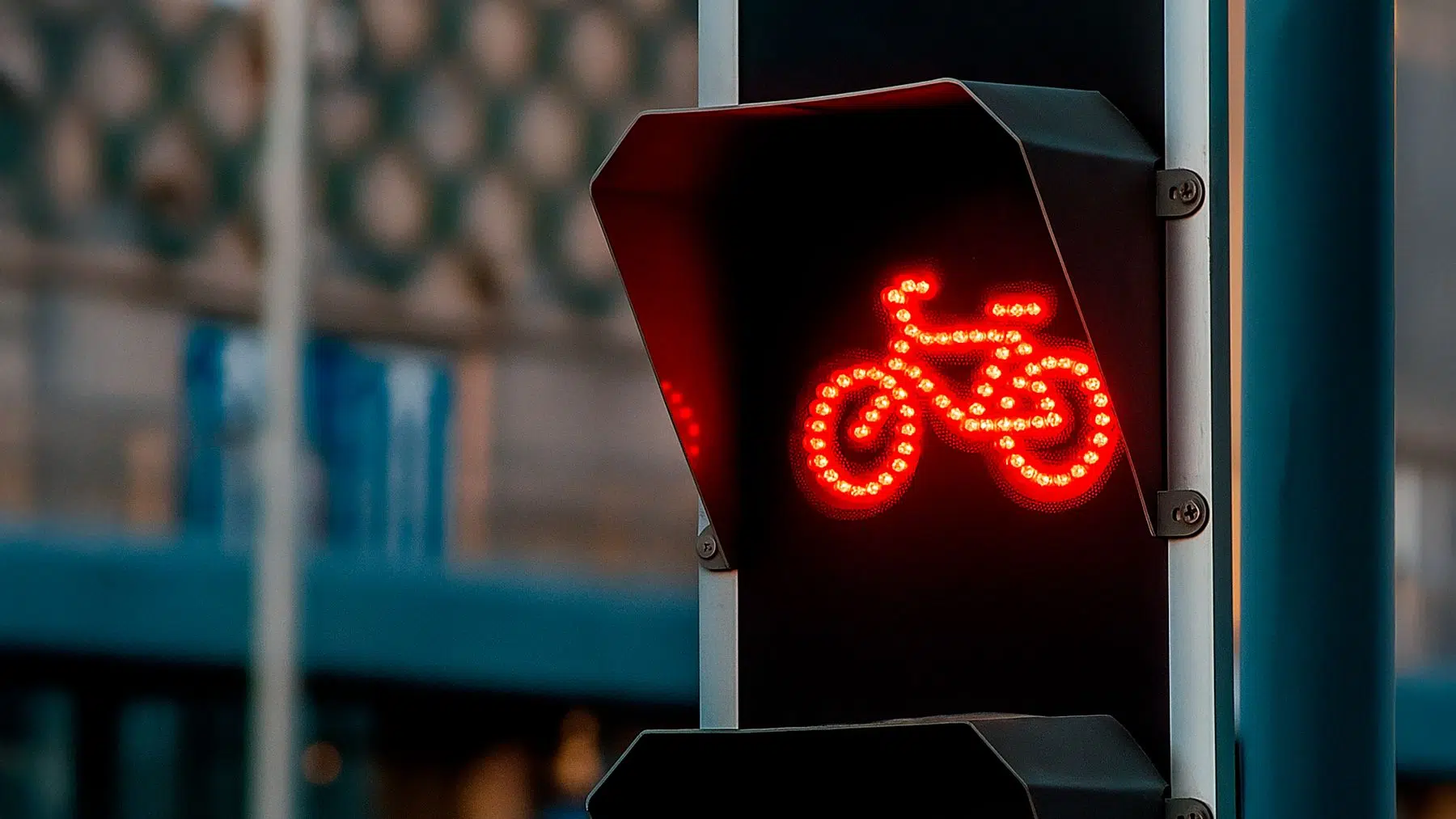
One state is changing its law to help cyclists not suffer more accidents. Ever since the first car was created, safety was an issue. And so have bicycles. In big cities, bicycles and cars share the streets, but not in a friendly way. Many people choose bikes to go to work, for grocery shopping, or to attend events to avoid traffic and get from point A to point B faster. Beyond New York, Los Angeles, São Paulo, other major cities have numerous accidents, but this state is about to change its rules to make streets safer.
Bicycles do not follow the same rules as cars: should they?
Cycling has long been a practical, eco-friendly alternative for people to navigate crowded city streets. But, along with the popularity, safety concerns have grown. Drivers and cyclists have shared the same roads often, but not without conflicts. Unclear priorities, establishing who has the “first green light” coming off a block – that’s just the tip of the iceberg. In many urban areas, traffic laws created in the past haven’t kept up with the reality of sharing the roads with another vehicle, one you don’t need a license to use.
The constant tension between drivers and cyclists generated thousands of accidents across the United States, but New Mexico is now stepping up to take care of matters with its own hands. Between 2019 and 2023, New Mexico reported 1,457 cyclist crashes, resulting in 39 fatalities and 115 serious injuries. Advocates argue that the Idaho Stop can help reduce these numbers by allowing bike users to keep their speed up and avoid blind spots.
New bill to make the roads safer: cyclists must pay attention
New Mexico has joined a growing list of states adopting the “Idaho Stop,” a traffic law reform that allows cyclists to treat stop signs as yield signs and proceed through red lights when safe. First enacted in Idaho in 1982, this law has since been adopted by approximately a dozen states. The rationale is straightforward: cyclists are less visible to drivers, and reducing unnecessary stops can minimize exposure to potential collisions.
Sen. Antoinette Sedillo Lopez, D-Albuquerque, introduced the bill following the January hit-and-run death of bicycling advocate Charles “Chuck” Malagodi in Albuquerque. According to his online obituary, Malagodi dedicated 25 years to running a city outdoor recreation education program. He also helped found the Esperanza Bicycle Safety Education Center and taught thousands of children how to ride safely.
One official raises concerns about the new law in New Mexico
On July 1, 2025, New Mexico’s version of the Idaho Stop officially took effect. Under New Mexico Senate Bill 73, bike users may treat stop signs as yield signs—slowing down and proceeding if the intersection is clear—and treat red lights as stop signs, stopping and proceeding when safe. This change aims to enhance cyclist safety by reducing time spent in intersections and decreasing the chance of crashes.
The New Mexico Department of Public Safety has flagged worries about the bill, particularly the risk that bike users might misjudge oncoming traffic and cause accidents. Deputy Chief Matt Broom of the New Mexico State Police noted that determining whether it’s safe to cross an intersection can be challenging in some situations.
How other states are dealing with crowded streets with bicycles?
Other states are not dealing with bicyclists directly – but rather changing the speed limits inside and outside big cities. Another movement gaining momentum is the use of electric bikes, but New York is not happy with this. This example could send other states in a spiral to adapt their daily lives to fit in a less expensive transport, while also exercising in the process.
Read the whole thing?
Get the week's signal, not the noise
Our sharpest reporting on energy, climate and nature — free, once a week.


