At 10:08 on a Monday morning, the ground moved under a mountain town east of San Diego.
Bottles slid off a liquor store counter in Julian.
A shop taped a notice to its door warning of broken glass.
At a safari park west of the epicenter, a herd of elephants closed ranks around their calves.
Phones more than a hundred miles away buzzed first.
So why did it reach so far?
A rupture less than ten miles down pushed its energy toward the surface
The quake began about 2.5 miles south of Julian, in the mountains of eastern San Diego County. The USGS puts the depth at roughly 9 miles, and seismologist Lucy Jones said the quake, at a depth of 8.9 miles, was most likely associated with the Elsinore Fault, which runs parallel to the San Andreas Fault. Ruptures that shallow deliver more of their energy to the ground directly above them than deeper breaks do, which is part of why a moderate jolt can feel abrupt and loud close to the source.
That explanation only carries so far. Alice Gabriel, a seismologist at UC San Diego’s Scripps Institution of Oceanography, said preliminary shaking data showed higher shaking reports than what is typically expected from an earthquake of this magnitude. Why the shaking traveled as widely as it did has not been settled.
The fault that moved is one of the quietest in Southern California
The Elsinore rarely makes headlines. The Southern California Earthquake Data Center calls it “one of the largest in southern California and in historical times has been one of the quietest.” It slips at a rate of only a fraction of an inch a year, two blocks of crust grinding sideways past each other, storing strain rather than spending it.
That long stretch of calm is what draws attention. Jones told the Los Angeles Times the Elsinore is “one of the major risks in Southern California,” and is capable of producing up to a magnitude 7.8 earthquake, though Mark Benthien of the Statewide California Earthquake Center puts the fault’s ceiling at magnitude 7.5. He says the average gap between major ruptures is about 250 years. Benthien also cautioned that a quake like this one can happen before a large earthquake, but that nothing may happen for a long time.
An alert reached phones across the region before the shaking did
Before the ground moved in Los Angeles, phones buzzed. ShakeAlert estimated the quake at or above magnitude 5, so alerts went out to cell phones through MyShake, Android and the federal Wireless Emergency Alert system. Cal OES reported that almost 700,000 phones in the affected area received notifications through the state’s MyShake app, with millions more reached by wireless emergency alerts and Google alerts.
The warning was uneven. Some residents got their alert several seconds before the shaking wave arrived, while others said it landed after the shaking had already started, a difference driven by distance from the epicenter, processing speed and delivery method. That short gap, carried at the speed of a radio signal outracing the slower seismic wave, is the whole point of the system.
The reach of the shaking itself surprised people far from the source. It was felt across a large swath of San Diego County and in Orange County and Los Angeles County to the north, and down to just south of Ensenada in Mexico. More than 35,700 people filed felt reports.
Rockslides and lost power hookups left the only visible marks
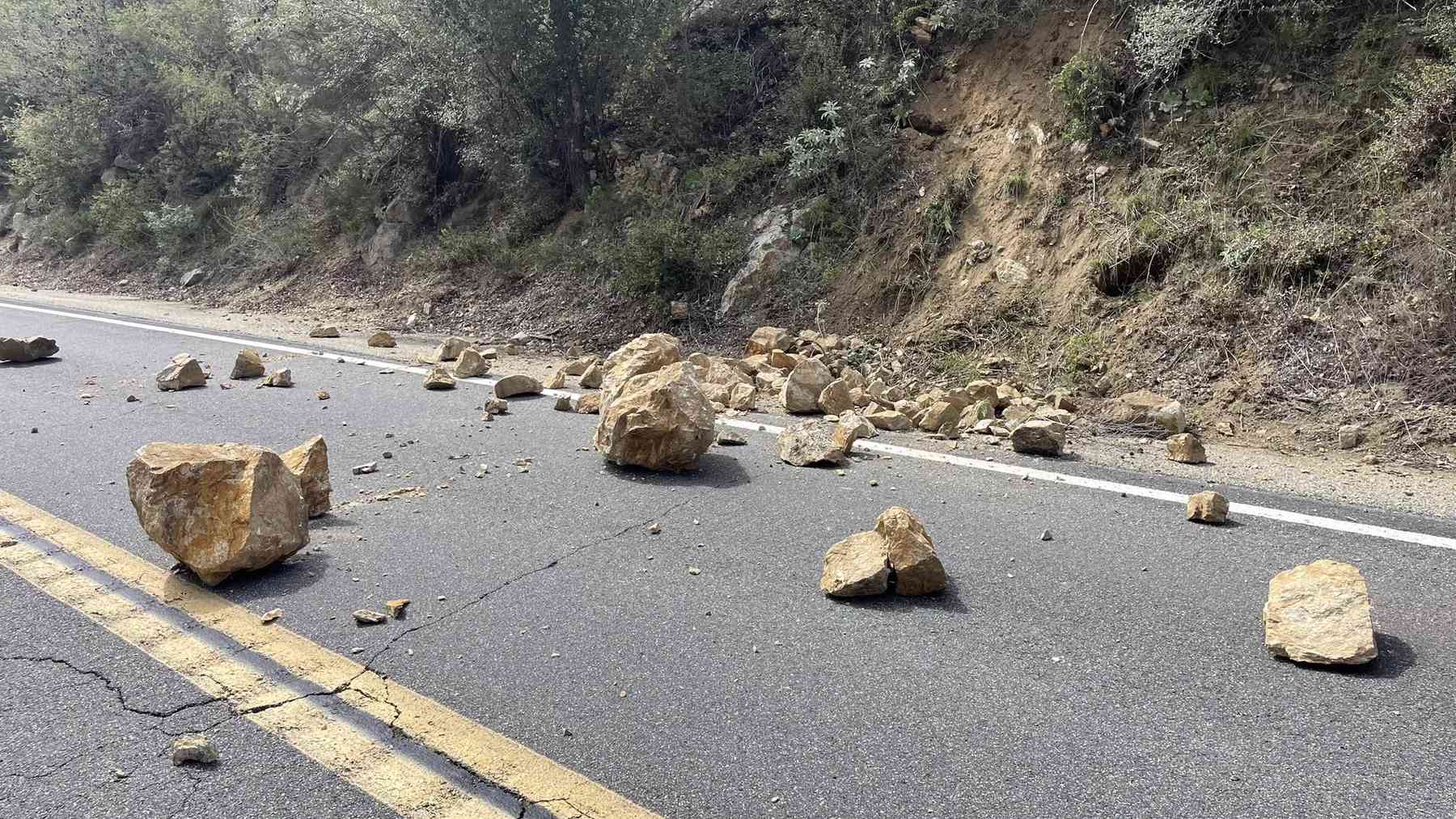
Despite the distance it traveled, the quake left remarkably little behind. Transportation officials warned motorists about rocks that tumbled down hillsides onto roads including State Route 76 northwest of Julian, and Caltrans crews assessed roadways for potential damage. The California Highway Patrol reported at 10:18 a.m. that boulders had blocked SR-76 near East Grade Road in both directions. The incident had cleared by early afternoon.
Power blinked out in small pockets near the source. An unplanned outage hit Julian, Santa Ysabel and Morettis, affecting 490 customers beginning at 10:18 a.m., and had resolved by that afternoon. SDG&E said an investigation into the official cause was underway but that preliminary assessments suggested seismic activity may have contributed. Metrolink canceled one Orange County Line train for precautionary track inspections, and trolleys ran at restricted speeds.
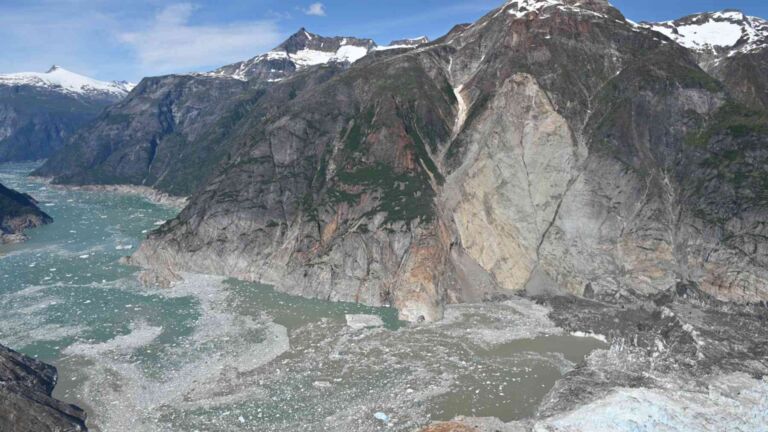
At the San Diego Zoo Safari Park, a herd of elephants moved to protect their young after the quake struck. It was a strange echo of distance and timing that few residents expect from a quake this size, much like the way a mountainside collapse above a fjord sent a wave climbing far beyond where anyone thought it could reach.
Scientists are still chasing why one quake traveled this far
Even researchers who study this fault for a living were left with an open question. In an interview with Fox 5 San Diego, Gabriel said it would be a “topic of future research of why we had such widely felt shaking reports for such a moderate size earthquake.” She called the Elsinore “kind of a little sibling to the big San Andreas Fault,” and said it was the largest earthquake on that fault zone in four decades.
The longer record is thinner still. Only one earthquake greater than magnitude 5.2, a magnitude 6.0 shock reported over a century ago near Temescal Valley, is associated with the main part of the fault. This one caused no major damage or injuries.
What the Elsinore left behind instead was a working lesson in how little ground truly needs to move before an entire coastline feels it. It is not unlike the sideways slip that sent tsunami waves flooding islanders off their land half a world away.
Read the whole thing?
Get the week's signal, not the noise
Our sharpest reporting on energy, climate and nature — free, once a week.