Finding a rare animal can be exciting, but first it has to be identified correctly and confidently.
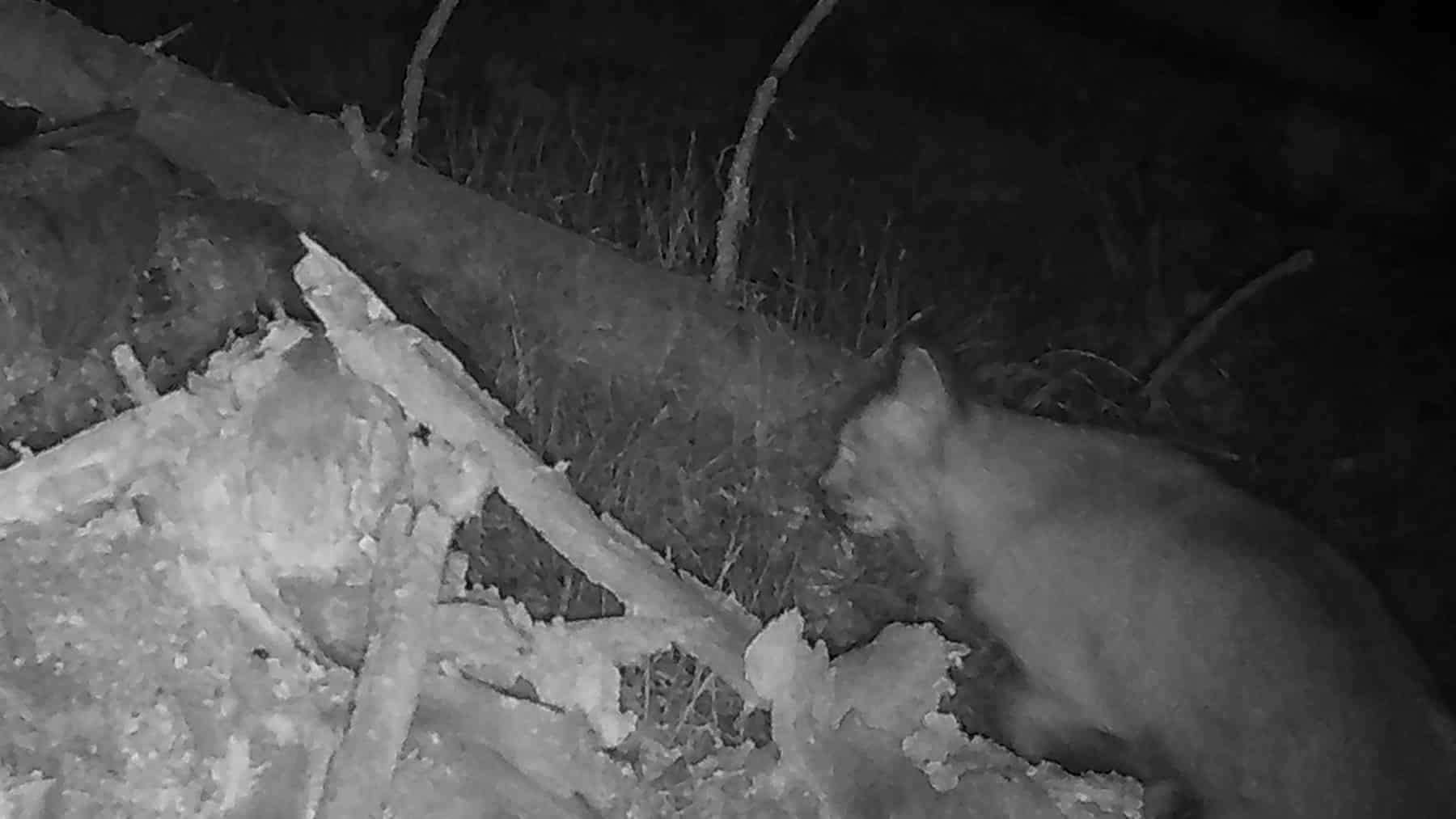
The image was taken in the Carson National Forest in Northern New Mexico.
One study was monitoring wildlife and biodiversity throughout the Southern Rocky Mountains.
As part of that effort, cameras were placed in areas used by a variety of animals. Multiple cameras were spread across the landscape to record wildlife activity.
The survey focused on wildlife across the forest rather than specifically looking for Lynx.
Several small details quickly revealed it was not a Bobcat
Multiple features distinguished the animal from a Bobcat.
Despite distinctive characteristics such as the tufts and facial markings, other traits were more important in identifying it.
A completely black tail tip suggested it was a Canada Lynx rather than a Bobcat.
Additionally, there are no black spots on the coat compared to a Bobcat. Together, these observations increased confidence that it was a Canada Lynx.
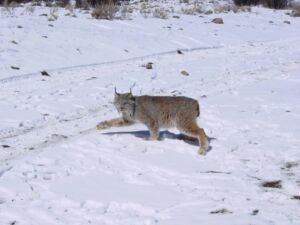
Experts were given these images to identify independently.
They concluded that the photograph does in fact show a Lynx.
A broader wildlife survey captured something completely unexpected
The photographs were collected to monitor biodiversity across the Southern Rocky Mountains with support from Wildlands Network.
One study by New Mexico State University was monitoring wildlife throughout the region.
As part of a wider effort to understand how forest structure affects biodiversity, the project was recording animal activity across the landscape.
Canada Lynx had not been recorded in New Mexico for nearly 25 years. Findings such as this are uncommon in wildlife surveys.
We know that at least one Lynx has recently been in the area. The size and status of the local population remain unclear.
One photograph could only reveal part of the bigger picture
The movement sensors on camera traps mean that they can only give information on animals which have passed in front of them.
Therefore, if an animal moves away from the camera trap, no information on it will be recorded.
This can be an issue for rare species. Canada Lynx are very rarely spotted in even appropriate habitats.
With just one photograph, we can gain no information on whether there is reproduction within the population, movement within the population, or whether the population is in good condition.
Many observations would be required to find this information.
Despite finding this animal, there is not very much information on the local Lynx population.
The same habitat supports both predator and prey species
Canada Lynx are very dependent on Snowshoe Hares and their habitat.
Both species rely on deep snow and Spruce-Fir woodland areas.
These requirements help indicate where Canada Lynx are most likely to be found.
Snowshoe Hares use fallen logs and thick under-story vegetation in Spruce-Fir woodlands for cover.
These conditions also attract Canada Lynx.
The same forest habitats are often targeted for vegetation removal to reduce wildfire risk. That creates conflicting management priorities.
Management to reduce fire risk can affect conditions used by both Snowshoe Hares and Canada Lynx.
Much about the local Lynx population still remains largely unknown
It remains unclear whether other Lynx are using similar habitats. A single photograph cannot provide that information.
Considerations may need to be made by state and federal wildlife managers.
Often management decisions depend on knowing which species are present in an area.
Further studies will be conducted in this area.
Monitoring across multiple seasons may reveal patterns not visible in the current data.
Forest managers are already making difficult decisions about habitat and fire risk. Some of those decisions cannot wait indefinitely.
Further observations may determine how much weight this single observation ultimately carries.
Read the whole thing?
Get the week's signal, not the noise
Our sharpest reporting on energy, climate and nature — free, once a week.