
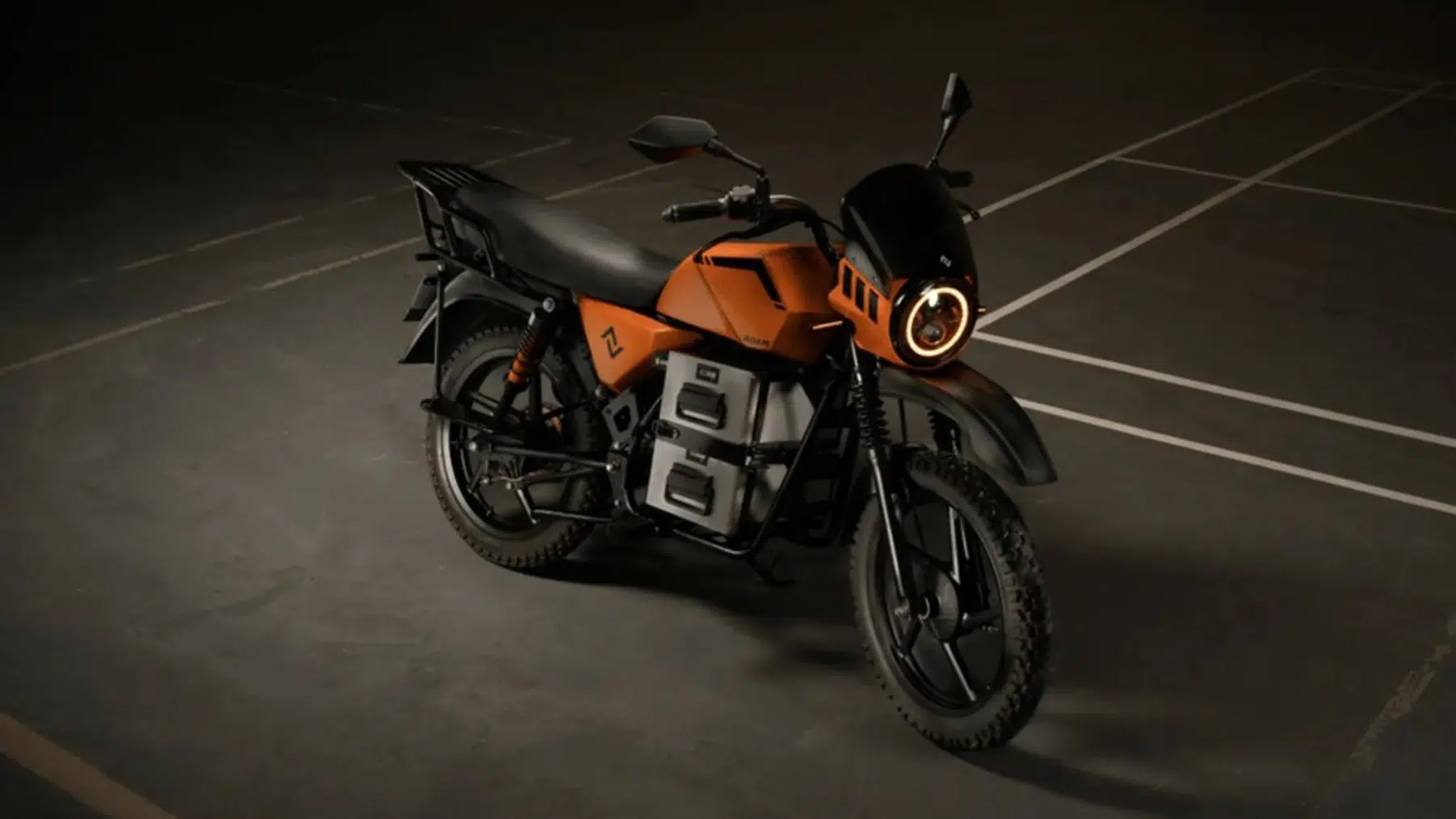
An electric motorcycle made by Swedish-Kenyan manufacturer Roam completed a 3,700-mile journey from Nairobi, Kenya, to Stellenbosch, South Africa, in 17 days, powered exclusively by solar energy. The achievement represents a collaborative effort between Roam and Stellenbosch University, which launched an Electric Mobility Lab dedicated to advancing sustainable transport solutions.
According to the participants, the journey was proof that electric vehicles can be a sustainable and powerful alternative to vehicles powered by fossil fuels. Tests were carried out inside and outside Africa to ensure that the goal would be achieved safely.
This vehicle traveled 3,700 miles with no fuel
Marking a collaborative effort between Roam and Stellenbosch University, a new benchmark was achieved after a journey of 3,700 miles between Nairobi and Stellenbosch was made with a vehicle using 0 fuel. The achievement also represents an advancement for the sustainable transport industry.
According to specialists, the journey was proof that electric vehicles can be a sustainable and powerful alternative to vehicles powered by fossil fuels. To make it happen, tests were carried out inside and outside Africa to ensure that the goal would be achieved safely.
The first solar-powered electric motorcycle to travel across sub-Saharan Africa
An electric motorcycle made by Swedish-Kenyan manufacturer Roam completed the 3,700-mile trip between Nairobi and Stellenbosch, in 17 days, powered exclusively by solar energy. While the world record for the longest electric motorcycle journey is over 11,300 miles, this trip proves the viability of renewable energy for long-distance travel, even in areas with poor charging infrastructure. It also shows the potential of solar energy as a green source of power.
According to the participants, the batteries of the motorcycle were charged en route through a solar panel charging system carried by a support vehicle. To make it happen, the support car drove ahead of the motorcycle each day, stopping to recharge the batteries. Once the main vehicle caught up, it could swap its dead battery for a fresh one.
The motorcycle achieved a personal record
During the trip, the motorcycle, a Roam Air, achieved a new single battery record range of 70 miles. Also, on the last day, it traveled 620 miles in less than 18 hours.
As said by Masa Kituyi, Roam product owner and one of the expedition riders, the expectation was to break boundaries on how traveling without pre-installed charging infrastructure is possible.
“From Roam’s perspective, we wanted to prove that this ‘ride anywhere, charge everywhere’ ideology is true”, states Kituyi
Accompanied by the postgraduate student Stephan Lacock, Kituyi shared the riding during part of the journey. They were followed by two support vehicles during the route set between highways and dirt tracks. The group also stopped by Victoria Falls and the Chobe River to rest overnight. On average, the group covered around 250 miles per day, with about 50 miles per battery. During the journey, they faced challenges such as bad weather with the sun covered by clouds.
This journey represents a new era for the sustainable automotive market
According to data published by Mordor Intelligence, the African EV market is worth an estimated USD 16 billion. If it reaches expectations, it should be valued at $25 billion by 2029. For the researchers, it is hoped that the achievement will help to increase investments and the popularity of electric vehicles in Africa. The same expectations are directed to other programs of research that aim to improve the studies of green-energy sources, following a worldwide tendency. Indeed, some countries are actively involved in researching new energy sources, and this one is gaining attention with solar energy.
Read the whole thing?
Get the week's signal, not the noise
Our sharpest reporting on energy, climate and nature — free, once a week.


