California has a reputation for sunshine, long roads, and drivers who really enjoy pressing the gas pedal. For years, the state watched, warned, and waited. But now, that patience seems to be running out. Without much noise, something has changed — and for drivers, the effects could show up faster than expected.
Driving rules keep changing in the Golden State
Driving in California isn’t just about knowing how to steer a car. It’s about understanding that driving is a privilege, not a right. And like any privilege, it can be taken away.
Over the years, California has adjusted its road rules again and again. With millions of drivers and endless highways, the state constantly looks for ways to make roads safer. As traffic grows and cars get faster, officials have been searching for new tools to keep things under control.
Under Governor Gavin Newsom, California began testing a new approach — one designed to move quicker than the systems drivers are used to.
Speeding plays a major role in deadly crashes
Here’s where the reason becomes clear.
According to Caltrans, speeding has been linked to nearly one-third of all fatal crashes on California roads over the past ten years. That number alone explains why state officials are no longer willing to wait.
California sees dozens of extreme cases every single day, and many of them move slowly through the system. Warnings pile up. Paperwork takes time. And by the time consequences arrive, it’s often too late.
State leaders say this gap between action and consequence needed to close.
A new system steps in when speeds cross the line
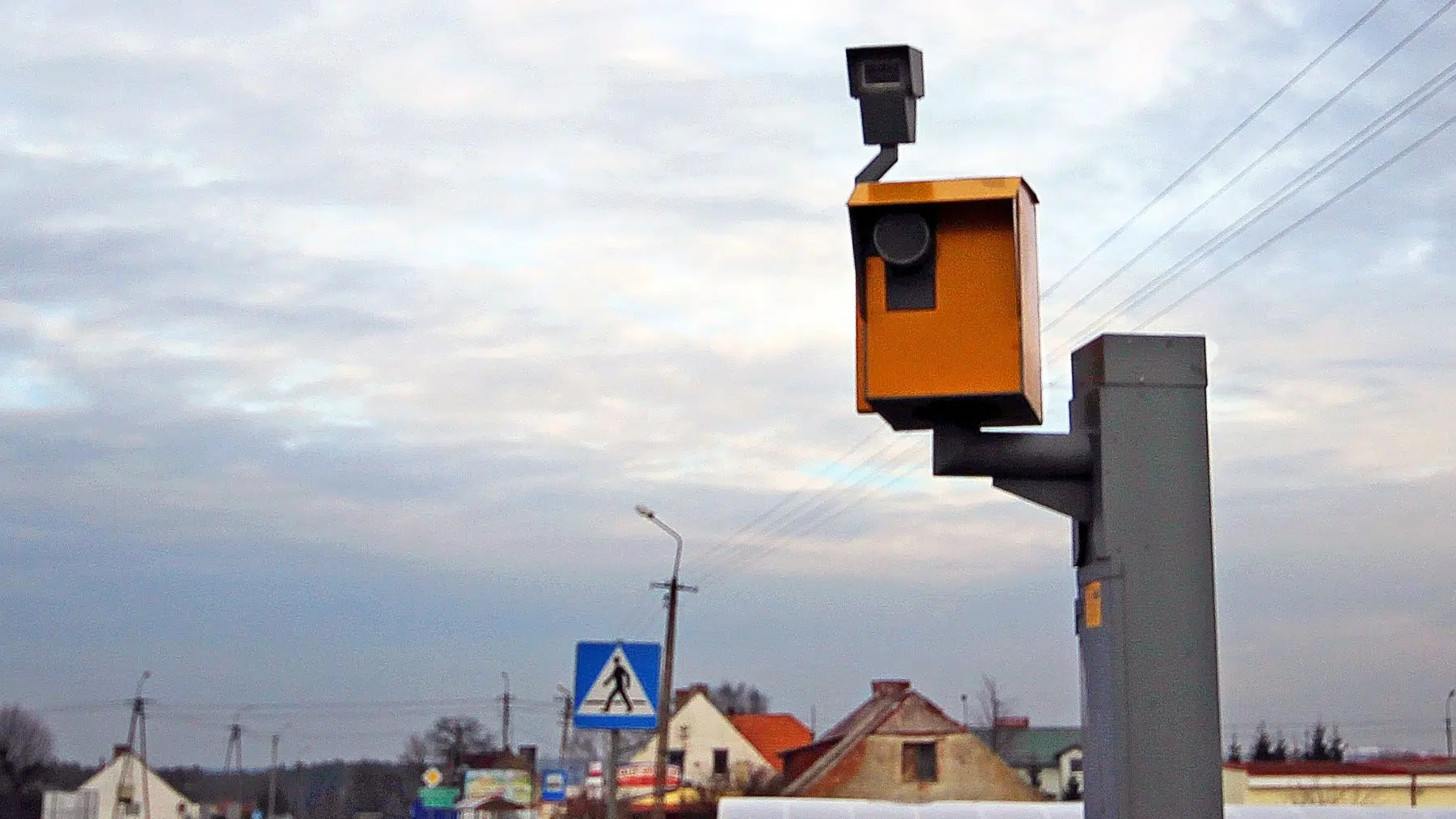
California’s answer is a new pilot program called FAST, short for Forwarded Actions for Speeding Tickets.
The program focuses on drivers caught going over 100 mph — something that happens around 50 times a day. Under FAST, these cases are handled differently.
Instead of waiting on long court processes, the violation is sent directly to the DMV Driver Safety Branch. The DMV then reviews the case on its own, without looking at past driving history.
This decision is separate from the courts, and the DMV can choose to suspend or revoke a license if it believes the situation is serious enough. In short: the warning phase is much shorter.
As California Transportation Secretary Toks Omishakin explained, the goal is to act faster — before reckless driving turns deadly.
What this could mean for drivers in 2026
California issues thousands of citations every day. Until now, many serious cases were slowed down by paperwork and delays. The FAST pilot program is meant to change that.
For drivers who follow the rules, this could mean safer roads. For those who regularly push limits, it means consequences may arrive sooner — and without a second warning.
California isn’t banning cars or rewriting speed limits overnight. But with this new system, the message is clear: when extreme speeding crosses the line, the state is no longer waiting around.
Read the whole thing?
Get the week's signal, not the noise
Our sharpest reporting on energy, climate and nature — free, once a week.